


Lighting is used in many applications including agriculture, horticulture and indoor environments. Of all the options available, Chip-On-Board (COB) LED and High-Pressure Sodium (HPS) are two of the most popular. Both have their benefits but also have differences. This blog will compare both to help you choose the right lighting for you.
What is COB LED?
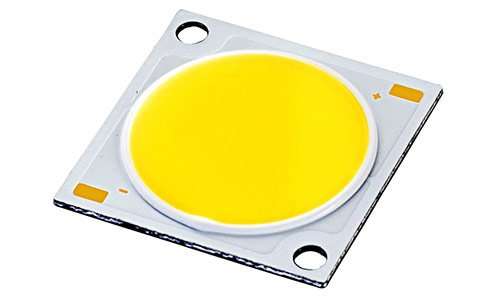
COB LED stands for Chip-On-Board Light-Emitting Diode. This technology changes the game by combining multiple LED chips onto one circuit board. Unlike traditional lighting methods this combines a compact module with high light density and uniformity. The design reduces energy loss and gives precise directional lighting. COB LEDs have a concentrated beam making them perfect for applications like task lighting, agriculture and professional environments where consistency and intensity of light are key. Plus COB LED technology is super flexible can take different light spectrums to suit industrial and horticultural needs.
Pros:
- Uniformity: COB LEDs focused and consistent light, no glare and no shadows, perfect for indoor gardening and high precision applications.
- Energy Efficiency: 80-100 lumens per watt, COB LEDs use less power than traditional lighting, lower energy bills and long term savings.
- Durability: COB LEDs design is more resistant to heat, shock and vibration, stable performance in harsh environments.
- Long Life: 50,000 hours average life, less replacement frequency, cost savings and operational continuity.
Cons:
- Higher Upfront Expenses: As a result of complicated design and utilization of highly efficient components, COB LEDs require rather a large amount of investment at the very beginning, and thus they are not so suitable for tight budgets.
- Narrow Light Distribution: COB LEDs emit light mainly concentrically, which makes a single fixture not sufficient enough to light an area of required size that may require several fixtures or may require more focus or in some cases use of lenses.
- Standard Color Accuracy: While COB LEDs outperform conventional lighting in the chromaticity, they can be somewhat inadequate in terms of application that require highly accurate color reproduction, including art galleries or graphic design studios.
What is HPS?
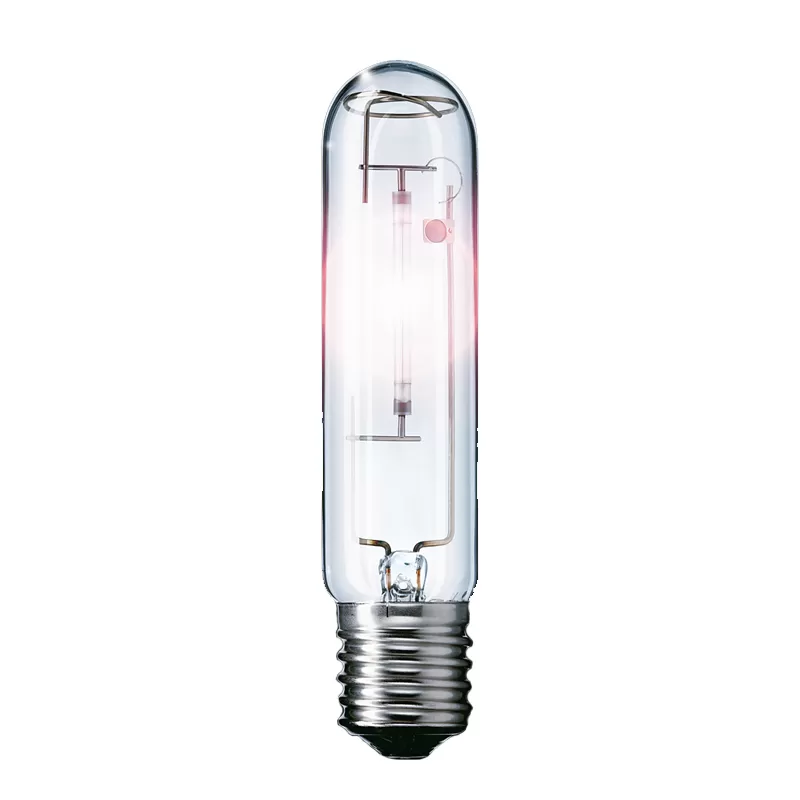
Conventional lighting method HPS lighting has long history for many decades and very popular lighting method because of its good usage. HPS technology involves use of electrical energy that ionizes sodium vapor to emit yellow-orange light when the sodium particles release energy. Due to this efficiency in light production, HPS has been favored in areas of extensive and even illumination.
HPS systems are now associated with high-intensity light, overwhelming the application areas such as street lighting and industrial and commercial lighting and agriculture. Due to their reasonably low costs and easy implementation, they are often used in situations when cost, ease of use, and complexity cannot be overstated. But new technologies introduced in modern lighting have numerous shortcomings in HPS systems and thus question stability and effectiveness of their utilization in long-term developmental perspective as well as environmental perceptions.
Features:
- Exceptional Luminosity: High-Pressure Sodium (HPS) is famous for providing very high and bright light which is why it is always used in most outdoor applications like highway avenues, parking lots, and manufacturing areas.
- Affordable Initial Cost: The unmatched price of HPS lights is a bonus in terms of the initial cost, although it is temporary and is suitable for quickly switching alone or organizing a festival or a flash mob.
- Reasonable Longevity: Designed with an economic working life of up to 24,000 hours of usage under proper usage, HPS lights are ideal for application in mid- term usage environments.
Pros:
- Economic Accessibility: HPS systems are good for customers who are in search of an instant lighting source without having to spend a large amount of money.
- Proven Dependability: Chronic usage spent several decades defining HPS components inclusive of replacement bulbs and maintenance tools comprehensively available in most markets.
Cons:
- Excessive Heat Emission: HPS lights produce significant heat output and to ensure safety in operations and high performance, more cooling systems have to be incorporated, making it costly.
- Limited Light Range: Overlapping mainly in the red and yellow areas, the HPS systems are not perfect when broader or more natural light spectra such as those used in horticulture or growing art are needed.
- Frequent Maintenance Needs: Maintenance entails bulb replacement more frequently together with reflector cleaning which increases both labor and cost over the useful life of the system.
- Environmental Risks: Mercurial in nature, the disposal of HPS bulbs proves to be environmentally risky and circumference their ecological impact.
COB LED vs HPS Comparison
Energy Efficiency
Lighting energy consumption affects both cost and sustainability, that’s why it’s a top priority for users across industries.
- COB LED: With 80-100 lumens per watt, COB LEDs provide bright and energy efficient lighting while minimizing power consumption. Average power consumption is 0.03-0.06 kWh, means big energy savings in the long run. For example, running COB LED for 12 hours a day will consume 0.36-0.72 kWh per day, that’s equivalent to 90% monthly electric cost savings compared to HPS. Plus its advanced power circuitry minimizes energy waste, making COB LED an eco-friendly and cost effective solution for continuous lighting applications like greenhouses, offices and studios.
- HPS: With 70-90 lumens per watt, HPS consumes more power, 0.4-1.0 kWh. Over time this will add up to big electricity bills. For example, running HPS for 12 hours a day will consume up to 12 kWh per day. And since there’s no energy optimization, most of the power is used for heat rather than lighting, which makes the system less efficient.
Energy Cost:
- COB LED: 30 days at 12 hours a day will cost $10-$21.
- HPS: Same operating hours will cost you $150 or more. Verdict: COB LED wins hands down in energy efficiency, both economically and environmentally. It outperforms HPS in cost and carbon footprint.
Light Spectrum and Quality
Lighting quality and spectrum is key to performance across applications, from horticulture to fine art restoration. Each technology has its own spectrum, affects performance.
- COB LED: Mimics natural sunlight, COB LEDs provides full spectrum output, adjustable to specific wavelengths for optimal plant growth. During germination, blue spectrum promotes healthy root and leaf development, while red spectrum supports flowering stage. High CRI (80-95) makes COB LED perfect for applications that require color accuracy like photography, textile production and retail displays.

- Additional Benefits: COB LED emits minimal UV and IR radiation, reduces material degradation and prevents plant burn. This spectrum precision is useful for medicine and fine arts, ensures environmental consistency.
- HPS: HPS is dominant in red-orange spectrum, supports flowering in plants but not for early stage growth that requires blue spectrum. Limited CRI (~22) makes color distinction difficult, HPS is not suitable for industries that require accurate color like jewel crafting or food inspection.
- Challenges: HPS systems can’t produce balanced spectrum without external filters or supplemental lighting, makes operational setup complicated for various applications.
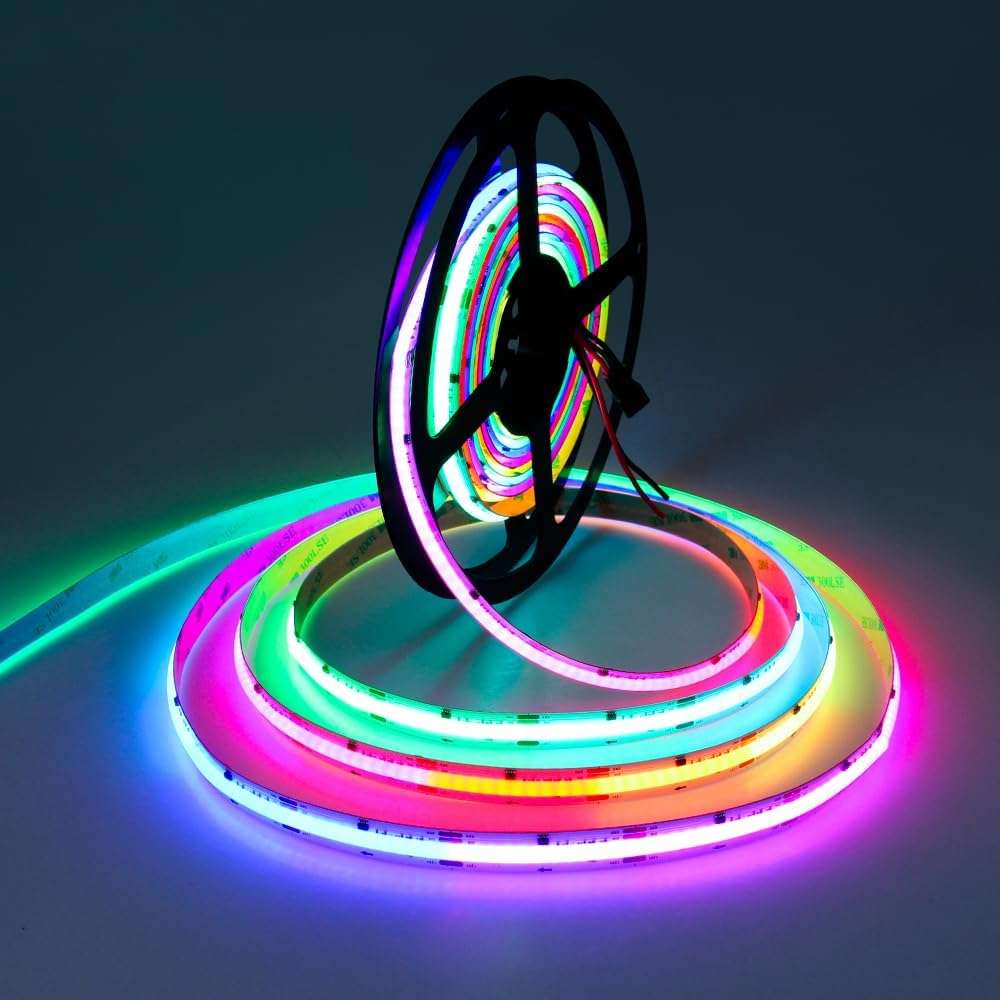
Verdict: COB LED wins in customizability and color rendition, good for both agricultural and precision industries.
Light spectrum matters especially in agricultural and photography applications.
- COB LED: Mimics sunlight, COB LED provides full spectrum output that can be adjusted to different plant growth stages from germination to flowering. High CRI (80-95) for color accuracy for applications that require detailed visuals.
- HPS: HPS bulbs emit red-orange spectrum, good for plant flowering but not for vegetative growth. Low CRI (~22) for HPS lighting.
Verdict: COB LED’s spectrum flexibility wins for dynamic applications.
Heat Management
Heat generation is a critical factor that affects performance, lifespan and safety of any lighting system. Knowing how COB LED and HPS manage heat allows users to optimize environment and efficiency.
- COB LED: One of the best features of COB LED technology is its thermal management. By having heat sinks and dissipative materials, COB LED minimizes heat buildup. Ability to redirect excess heat away from the light source ensures COB LED maintains efficiency and performance. This is important for applications like indoor horticulture where excess heat can stress plants, disrupt growth cycle and increase cooling cost.
- Secondary Benefits: Reduced heat production not only preserves the LED but also eliminates the need for additional cooling system like HVAC units or industrial fans. Minimal heat generated allows COB LED to be used in confined space like server room, workshop and other enclosed area.
- HPS: In contrast, HPS systems generate heat as byproduct of their light production. Sodium-vapor discharge process itself produces thermal energy, often requires special ventilation system to prevent overheating. This heat output is challenging for controlled environment like greenhouse and indoor setup. Plants exposed to heat from HPS light may reduce water retention and growth.
- Challenges: HPS in enclosed space for long period can raise ambient temperature and require expensive cooling solution. Without proper thermal management, heat buildup can reduce bulb efficiency and fire hazard in poorly ventilated area.
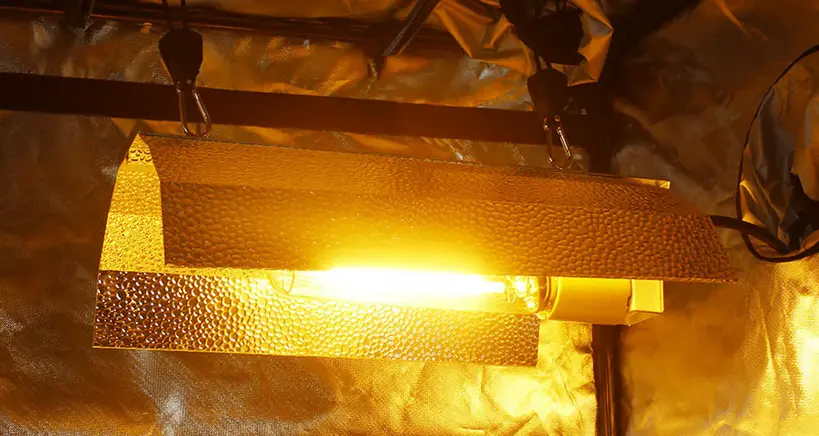
Illustrative Comparison:
- A 12-hour COB LED array produces almost no heat that can be managed with passive cooling like heat sinks.
- Same HPS setup for the same duration can increase surrounding temperature by several degree and requires additional aircon which increases overall power consumption.
Verdict: COB LED wins in heat management with its design that mitigates heat related problems, reduces secondary cost. HPS is functional but struggle in this area and requires external intervention to maintain balance.
Heat dissipation affects system’s operational lifespan and safety.
- COB LED: Designed for efficiency, COB LED has advanced thermal management feature that minimizes heat buildup, reduces dependency on external cooling system.
- HPS: Generates heat, HPS requires big ventilation and auxiliary cooling especially in temperature sensitive area like indoor farm.
Verdict: COB LED performs better and reduces thermal control cost.
Installation and Maintenance
Ease of installation and maintenance is a big factor to consider when choosing a lighting system especially for long term or large scale application. COB LED and HPS light have different experience in this area.
COB LED:
- Because of its compact and light design, COB LED is user friendly for installation. Whether mounted on ceiling, wall or specialized fixture, the process is streamlined and adaptable to various environment like retail space, office and residential homes. Most COB LED system is plug and play, requires minimal technical expertise for setup.
- Maintenance for COB LED is minimal because of its durability and rugged design. With lifespan up to 50,000 hours, it requires fewer replacement and repair compared to traditional lighting. Just regular cleaning to remove dust or debris is enough to maintain performance.
- Advanced thermal management in COB LED reduces stress to the system and further decrease the chance of technical failure or maintenance.
HPS:

- Installation of HPS system is more labor intensive because of its big components and need for additional infrastructure like reflector or heat dissipating element. Proper alignment and securing of heavier fixture often requires skilled labor and specialized tool.
- HPS is more maintenance intensive. Bulbs need to be replaced periodically as output decreases with prolonged use. Reflectors and protective cover need to be cleaned frequently to maintain good light quality. HPS also generates heat and needs to be checked regularly to prevent overheating or system failure.
- Improper handling during installation or maintenance can cause system inefficiency, reduced lifespan and higher operational cost.
Comparison Example:
- For a commercial greenhouse using COB LED, installation can be done in a few days with minimal disruption, while the same setup with HPS can take longer because of additional structural support and ventilation system.
- In 5 years, COB LED may require zero maintenance while HPS may need multiple bulb replacement, cleaning cycle and occasional technical service.
Verdict: COB LED wins in both installation ease and low maintenance, perfect for users who want to minimize labor, downtime and long term operational cost.
Ease of setup and frequency of maintenance is important for end-users.
- COB LED: Because of its compact and light design, COB LED is easy to install. Minimal maintenance requirement further reduces operational downtime and cost.
- HPS: Big and fragile, HPS requires careful setup. Reflector maintenance, bulb replacement and regular cleaning require more user involvement and more interruptions.
Verdict: COB LED’s ease of use and low maintenance are the choice for modern facilities.
Lifespan and Reliability
When choosing a lighting system, lifespan and reliability are key to reducing replacement cost, labor demand and operational interruption. COB LED and HPS lighting systems have different results in this area.
COB LED:
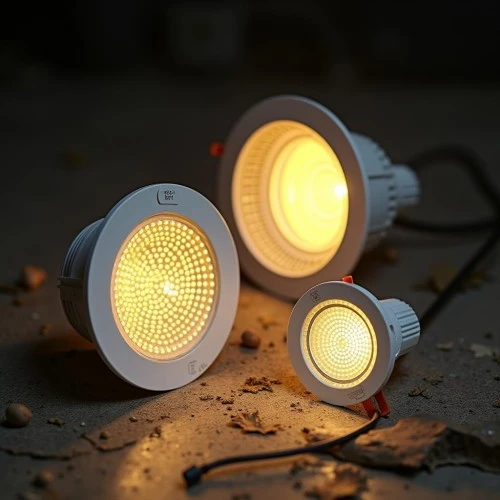
- With an industry leading 50,000 hours average lifespan, COB LED is durable. That’s equivalent to 5.7 years of continuous use even in harsh environment like indoor farming or industrial operation. Unlike many traditional system, COB LED maintains its brightness throughout its lifespan and not dimming like other technology.
- Reliability is at the core of COB LED design. The advanced build has overcurrent protection and thermal management system to minimize the risk of early failure or downtime. Plus its vibration, shock and environmental resistant ensures stable performance in various condition from construction site to laboratory.
HPS:
- HPS lifespan is 15,000 to 24,000 hours. Although good for temporary or short term installation, this shorter lifespan means HPS bulb need to be replaced more often. This adds cost not only for material but also for labor especially in multiple fixture setup.
- HPS system decline in performance over time, noticeable reduction in brightness and efficiency happens within the first few years of operation. Heat stress and prolonged use can accelerate wear and tear and reduce overall reliability. Reflector and ballast also degrade and add to maintenance requirement.
Real-World Example:
- 100 COB LED can run for more than 5 years without replacement while HPS may need 3 to 5 full bulb replacement in the same period. Over time this means big savings on labor and material.
Additional Considerations:
- Light Quality Consistency: COB LED maintain consistent light output throughout its lifespan, perfect for industries that need steady light.
- Operational Downtime: Frequent maintenance or replacement with HPS can disrupt workflow, not suitable for critical operation like 24/7 manufacturing.
Verdict: COB LED outperform HPS in both lifespan and reliability, perfect for users who want long term cost savings and operational stability.
Long term lighting solution reduce replacement cost and labor.
- COB LED: 50,000 hours average lifespan, outperform most traditional system. Consistent light output also no gradual dimming, reliable performance throughout its lifespan.
- HPS: 24,000 hours max, HPS bulb reduce in brightness over time. Need periodic replacement, add to long term cost.
Verdict: COB LED is most reliable.
Environmental Impact
Modern businesses are going green to meet sustainability goals.
- COB LED: Energy efficient and no toxic material like mercury, COB LED is green. Long lifespan also reduce waste generation.
- HPS: Although lower cost, HPS system energy consumption and hazardous material composition is long term environmental challenge.
Verdict: COB LED is green friendly
COB LED vs HPS Applications
COB LED:
- Precision Agriculture: Lighting for every growth stage of crop, higher yield.
- Retail Displays: Show products in their true color, visual appeal.
- Photography Studios: Balanced and natural looking light for professional shoot.
- Advanced Manufacturing: Precision tasks like circuit board assembly.
HPS:
- Street Lighting: For large outdoor area.
- Industrial Warehouses: Basic visibility for big space.
- Budget Installation: For temporary setup.
COB LED vs HPS: Which One to Choose
Points to Consider:
- Application: COB LED for precision application like horticulture and indoor lighting. HPS for outdoor lighting and high budget.
- Energy Efficiency: COB LED reduce operational cost and environmental impact, perfect for green users.
- Maintenance: Frequent replacement and cooling for HPS may not suitable for application that need stability.
- Budget: Higher upfront cost for COB LED but offset by long term savings especially in energy and maintenance cost.
Conclusion
COB LED is the evolution of lighting technology, combining energy efficiency, flexibility and durability in one. Although HPS have been useful in its time, modern requirement demand the advanced feature of COB LED. Industries that want long term sustainability, lower operational cost and high performance should go for COB LED first.
For application from agriculture to retail, invest in COB LED lighting and have a brighter and greener future. As technology evolve, COB LED will always be at the forefront of lighting solution, guiding industries to a more sustainable tomorrow.

