


A church stage is more than a platform; it’s the hub of the worship experience and sets the tone for the congregation. Whether your church is all about high energy music or serious sermons the stage is both a functional space and a visual anchor. Well designed stages can increase engagement, build community and reflect the church’s mission. In this blog we’ll look at church stage design ideas for churches of all sizes to help you create amazing worship spaces. We’ll cover everything from budget friendly to modern tech, with expert advice and real life examples.
Church Stage Design in Worship
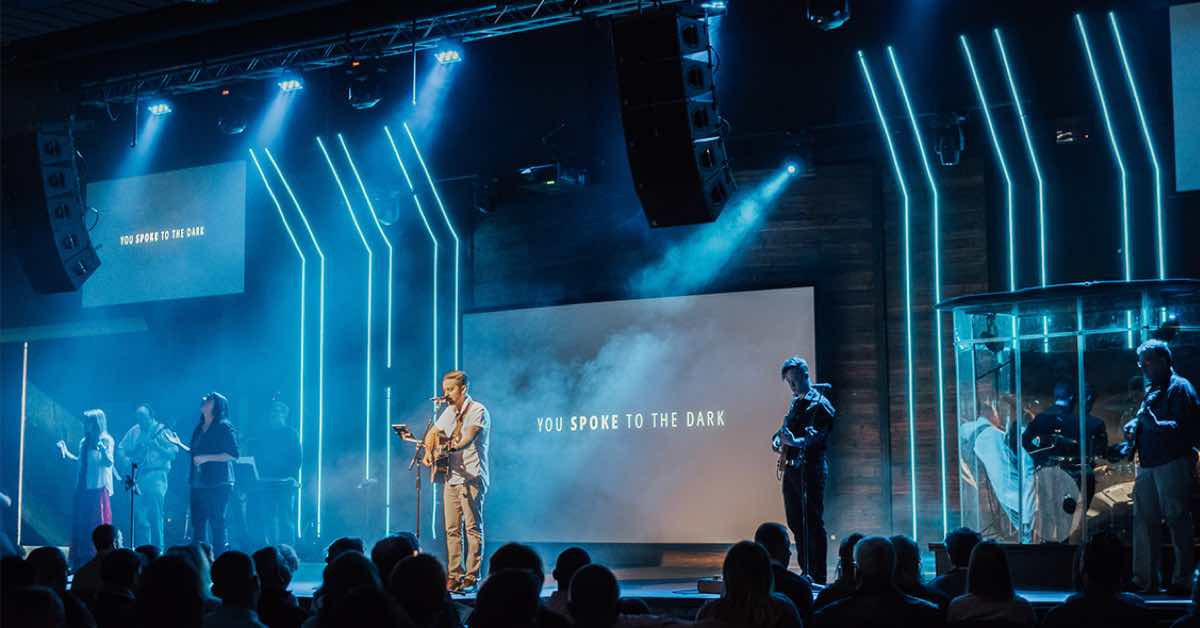
Why Design Matters
Church stage design isn’t just about looks; it affects the worship experience. A well designed stage provides a visual focal point that helps guide the congregation’s attention. Whether it’s a powerful sermon or a rousing choir performance the stage is the backdrop that enhances these moments. It can also help smooth transitions between different service elements, reduce distractions and keep the flow seamless.
Atmosphere
The stage design sets the emotional tone of the service. Warm lighting and natural materials like wood can create a sense of peace and intimacy, while bright colors and dynamic backdrops can energize the congregation during festive or celebratory events. The visual elements of the stage complement the audio and spiritual experience, creating a multi sensory environment that enhances worship.
Church Stage Design Considerations
Type of Church
The denomination and traditions of the church will shape the stage design. A Catholic church may have ornate altars and statues, reflecting its rich liturgical heritage. A contemporary non-denominational church may go for minimalist designs, using modern materials and technology to reflect a future focused approach.
Size of the Church

The size of the sanctuary will determine the scale of the stage. Larger churches will have multi level stages to accommodate choirs, bands and video displays, while smaller churches may focus on compact designs. Whatever the size, the goal is to make the stage proportional to the space, not overcrowded or underutilized.
Worship Style
Worship styles are diverse, from hymnals to praise bands. Churches that value musical worship may have a larger stage to accommodate instruments and lighting rigs, while those that value sermons may go for a simpler design around the pulpit. The stage should be versatile enough to adapt to different service elements, to support the church’s main worship style and special events.
Leadership and Congregational Preferences
Church leadership will have a vision for the stage that aligns with the overall mission of the church. Some may want the latest technology like LED video walls, others may want a more traditional feel. Getting feedback from the congregation can also help create a sense of ownership and make sure the design resonates with the people who use the space most.
Budget
Budget will determine the scope of the stage design project. Some churches may have the budget to invest in high end technology and custom design, others may have to look for more affordable solutions. But creativity often thrives under constraint and many great designs can be achieved with strategic planning and DIY.
Why LED Video Walls on a Church Stage?
Engage the Congregation
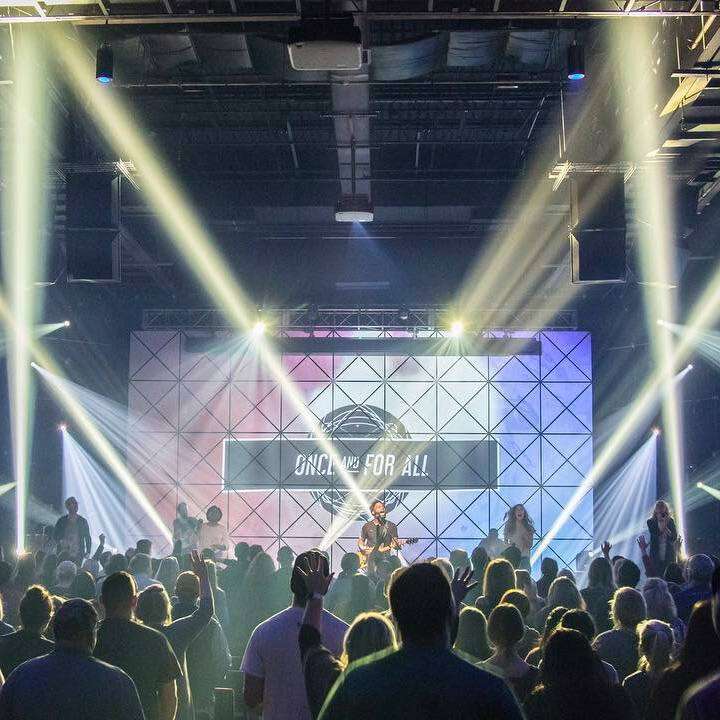
LED video walls provide a dynamic visual element that grabs and holds the congregation’s attention. With high resolution displays, everyone in the audience, no matter where they sit, can see sermon points, scripture or song lyrics. This makes the content more accessible and engaging for the overall worship experience.
Flexibility
The flexibility of LED video walls is unbeatable. They can display live feeds of the pastor, pre-recorded videos and even theme based visuals for the sermon series. This means the stage stays fresh and dynamic and can support different service formats and special events.
Visibility in Large Spaces
In large sanctuaries visibility can be an issue. LED walls solve this problem by being a central focal point that draws the eye, so everyone in the room feels connected to the stage. This creates a more unified worship experience, no one is left struggling to see or follow along.
Modern Look
Beyond the benefits, LED video walls add a modern look to the worship space. This can help churches appeal to younger generations and feel current and welcoming.
Designing on a Budget: Church Stage Design for Cheap
Not every church has the budget for a full renovation, but that doesn’t mean they can’t have a visually great stage. Church stage design for cheap is all about being resourceful and DIY to transform the worship space without breaking the bank.
DIY Backdrops

Backdrops are an easy way to freshen up the stage and can be made with affordable materials. Fabric is a great option that can be draped, layered or hung to create different looks. Wooden pallets give a rustic feel and can be painted or stained. For a more modern look consider corrugated plastic panels, they are lightweight, durable and highly customizable.
Budget Lighting
Lighting can totally change the stage’s atmosphere even on a tight budget. String lights or LED strips can add warmth and depth, colored gels over existing lights can give different effects at a low cost. These simple additions can make the stage look great without breaking the bank.
Repurposed Props and Furniture
Thrift stores and donation drives are great sources for affordable stage elements. Old furniture like wooden chairs or tables can be repurposed as decorative elements. Upcycled materials save money and add character to the design
Designing Based on Size
Small Church Stage Design: Making the Most of Limited Space

For smaller churches space is key. Small church stage design is all about designing within the constraints of a small area.
Simple
A minimalist approach works well in small spaces as it doesn’t clutter the stage. A cross, a single fabric backdrop or a few lights can create a clean and welcoming space.
Layering for Depth
Even in a small space you can create depth by layering. For example fabric drapes behind wooden panels or plants and small props in the foreground add visual interest without overwhelming the stage.
Multi-Functional Furniture and Equipment
To make the most of limited space choose multi-functional furniture and portable equipment. A fold down podium or mobile sound system means the stage can be reconfigured for different events and services and maximize its usage.
Big Church Stage Design: Big and Bold Designs

Big churches have the space to create big and impactful stage designs, with advanced technology and multiple levels to enhance the visual and functional aspect of the stage. Here are some design ideas for big church stages:
Big LED Walls
LED video walls are a must for big churches, a high resolution backdrop to display sermon slides, song lyrics and video content. These screens enhance the visual experience, make content visible to everyone in the congregation and allow for changing visuals throughout the service. They can also be used for special events, conferences and concerts, for versatility and interactivity.
Advanced Lighting
Lighting is key to atmosphere in big spaces. Programmable LED lights can change color and intensity to match the theme of the service, spotlights on key people like the pastor or worship leader. Dynamic lighting effects can add drama and energy, to musical performances or special events.
Multi Levels and Layers
Multiple levels on the stage help with visibility and add depth. Raised platforms for the pastor, band and choir create visual interest and organize different parts of the service. Layers in the design supported by lighting keep the stage dynamic and engaging throughout the service.
Incorporating Technology and Multimedia
Big churches can incorporate multimedia elements like projectors, big screens and high quality sound systems. These tools enhance visual storytelling, accessibility and flexibility for different service formats. Whether broadcasting live feeds or showing videos, technology on big church stages keeps the congregation engaged.
Simple Church Stage Design: Keeping it Simple

For churches that want to keep it simple, simple church stage design ideas are the way to go. These designs focus on the essentials and deliver maximum impact with minimal clutter.
Neutral Colors
Neutral colors like white, beige and grey create a calm and versatile backdrop for any season or theme. These colours provide a blank canvas for other elements like lighting or decor to shine without competing for attention.
Central Focus
A single element – a cross, a big floral arrangement or a banner with scripture – can be a powerful focus. This keeps the design balanced and the congregation’s attention on the message.
Symmetry and Balance
Symmetrical designs create order and calm. By mirroring elements on either side of the stage you can create a cohesive look that feels intentional and finished.
Seasonal and Themed Stage

Many churches change their stage design to reflect different seasons or special events like Christmas or Easter. These changes keep the worship space feeling fresh and relevant throughout the year.
Christmas and Easter Themes
For Christmas, using elements like evergreen trees, string lights and nativity props creates a festive and reflective atmosphere. Easter designs often feature floral arrangements, draped crosses and light pastels to represent renewal and hope. These seasonal elements help the congregation connect with the meaning of each season.
Multi-Purpose Seasonal Decor
To save time and budget use multi-purpose elements that can be easily adapted for different themes. Neutral backdrops for example can be dressed up with seasonal decor and you can refresh the stage quickly and cost effectively throughout the year.
Community Input in Stage Design
Getting community input into church stage design means the space reflects the congregation’s needs and values. Balancing feedback from church members with leadership’s vision creates a stage that’s functional and spiritually relevant.
Get Feedback
Use surveys and focus groups to get feedback from church members on elements like lighting, seating and technology. Surveys give quick answers, focus groups give deeper discussion and help create ownership in the design process.
Incorporating Feedback
Once feedback is gathered, identify the common themes – better lighting, more comfortable seating etc. Balancing personal preferences with practical needs means the design is both beautiful and functional and aligns with leadership’s vision.
Leadership Vision vs Congregational Input
While community input is valuable, leadership’s vision should prevail. Clear communication between leadership and the congregation means the design aligns with the church’s goals and mission. If there’s a conflict, compromise by combining modern and traditional elements – lighting with traditional backdrops for example.
Visualising Together
Using visual tools like sketches or 3D renderings helps leadership and the congregation see the final design, so everyone has a voice and adjustments can be made before it’s too late.
Conclusion
Church stage design is a powerful tool for enhancing the worship experience and reflecting the unique identity of your congregation. From small, budget-conscious churches to large, tech-savvy sanctuaries, there’s a design approach.

