


Do you want to own an ultra thin LED display that can add a modern touch to your living room? If you want the thinnest LED screen available in the market, one thing you can do is look at your options.
The good news is that there are thin LED screens available in the market. If you want to experience having one, it’s easy to buy one if you have the money for it. However, to make it a smart move, learn all the important details about this device before investing in it.
What Is An Ultra Thin LED Display?
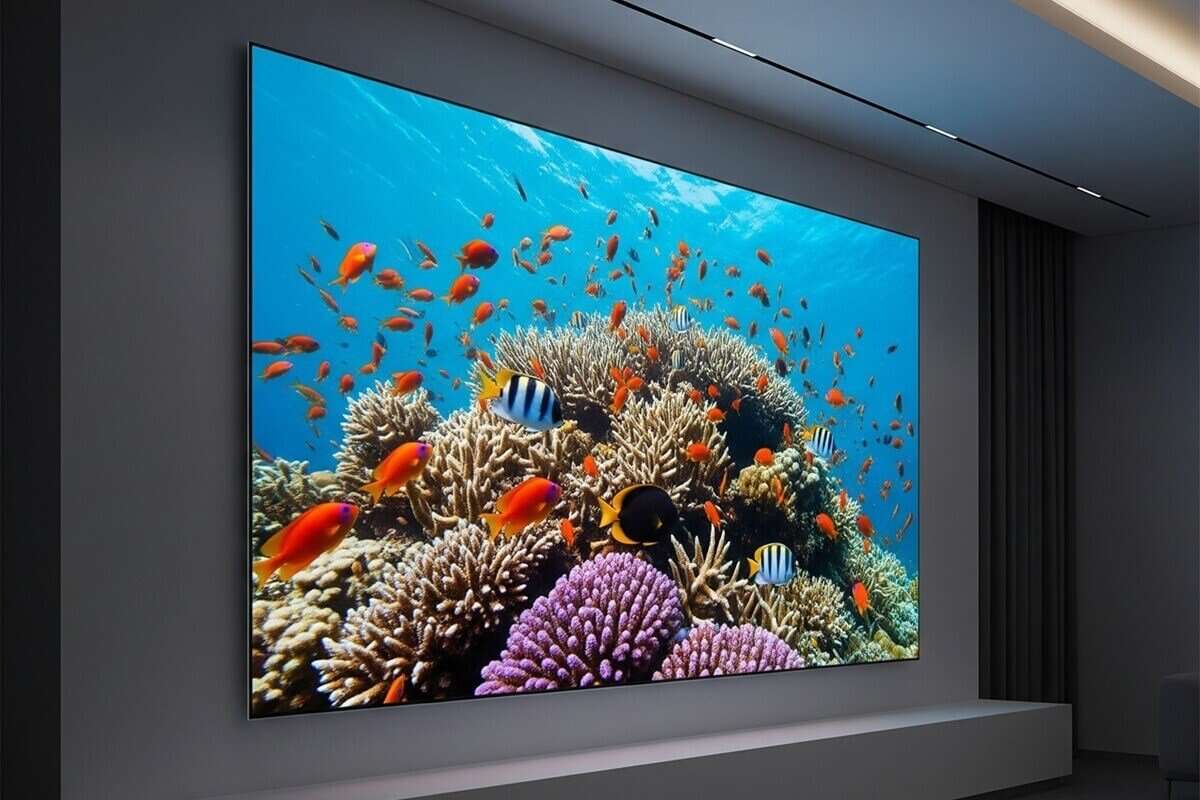 Image Credits: Gemini AI.
An ultra thin LED display is a seamless and lightweight screen that features the same functionalities as a standard LED display, but only in a flexible way.
These paper-thin LED screens are structured in a way that they can be bent, folded, and rolled. They have a thickness between 0.1 mm and 1 mm, making sure that the device can be freely manipulated physically. They seem too good to be true, but they are a real screen you can use to your advantage.
Ultra thin LED displays are not just physically flexible, but also in their operations in various industries, such as:
- Advertising
- Gaming
- Medical devices
- Transportation
These unique LED displays may be thin, but they are powerful in their own right. They are incredibly durable despite being thin in order to have the ability to be folded, bent, and rolled to your desired form. This tidbit about the device makes it an interesting investment.
Whatever industry you’re working in, whether you’re in retail or advertising, this unique LED display can be a great tool to display prices or spice up your commercial masterpiece.
How Ultra Thin LED Display Operates
 Thin and light of the transparent led film display
An ultra thin LED display is composed of the following components:
- Substrate – refers to a glass or plastic material that holds everything together
- Anode – consists of ITO or Indium Tin Oxide
- Cathode – consists of an electrode coated in silver
- Conductive Layer
- Light-emitting Material
These are the components that make up ultra thin display panels. Two conductive layers are assembled for the screen to get the electrical properties it needs to operate efficiently.
After that, a light-emitting material is added to the ensemble. High voltage is then applied for the electrons to flow and for the ensemble to successfully emit light. This is how the screen can operate.
In order to create that paper-thin thickness, LED display manufacturers continued to experiment with new materials that could surpass the previous ones. What they did was to limit the space allotted for the conductors of the device. Some of the new materials they worked with are the following:
- Carbon nanotubes
- Graphene
- Metal nanowires
These new materials are cheaper than their predecessor. Creating them is also not too expensive since they can easily be printed on flexible substrates, further lowering their maintenance costs.
All of these factors contribute to the development and creation of the ultra thin LED display that the market is currently enjoying.
Enjoying Ultra Thin LED Display Advantages

Why do people love using these ultra thin LED displays? There are several reasons why people are drawn to this type of LED screen. Besides the fascination of how thin and seamless it is, the LED display also showcases these advantages:
Energy Efficiency
These slim LED displays have lower energy consumption than traditional screens and other types of LED devices. Its thin construction plays a huge role in its energy efficiency, since it doesn’t use backlighting in its operation.
Ultra thin LED displays use a single layer of LEDs that light up when they are programmed to do so. Compared to LCD displays, this construction makes sure that power consumption is reduced by 85%, making the screen an energy-efficient device.
All of these energy-related characteristics make the screen suitable for devices powered by batteries like smartphones and tablets. And because of its energy efficiency, these LED devices won’t burn out fast and can last longer too.
Fast Response Time
Ultra thin LED displays have a fast response time that’s within 0.05 seconds. This guarantees that the screen won’t have any trail effect shown that can disturb the aesthetic of the device. This ensures that your LED display is suitable for fast-paced content, such as action films and games.
Stunning Visual Quality
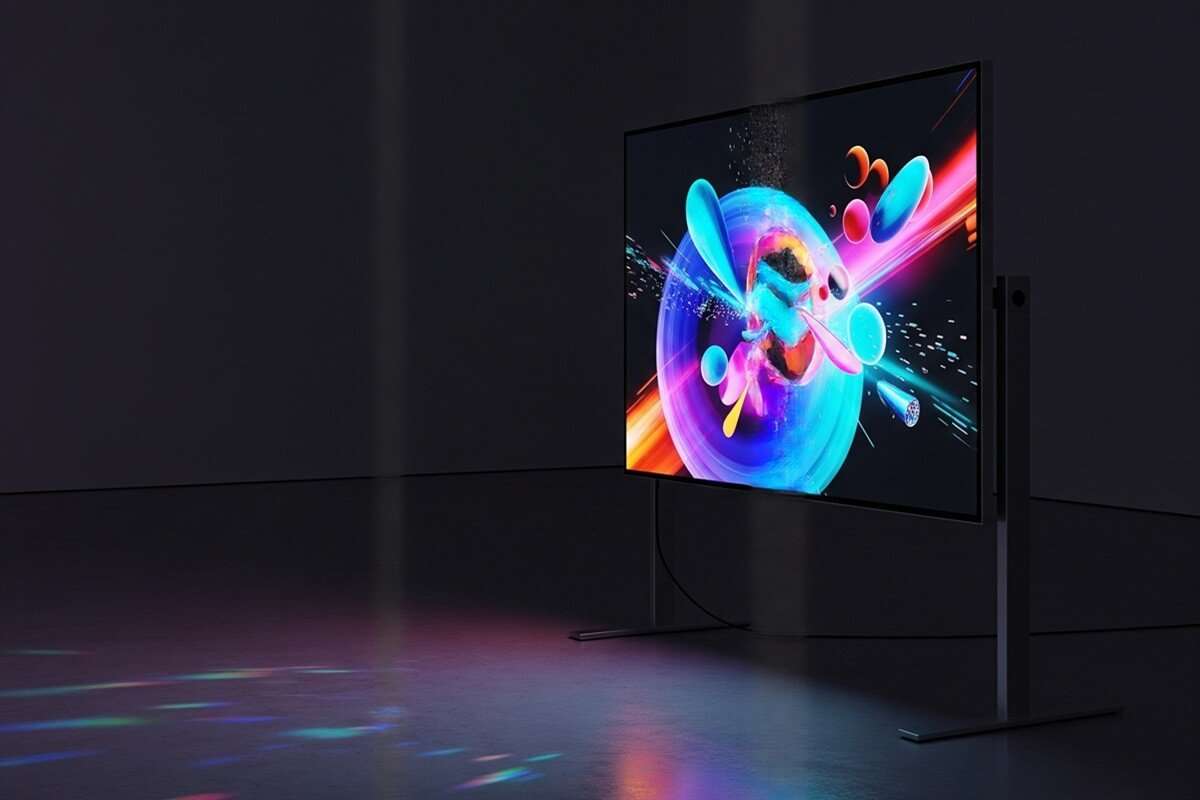 Image Credits: Gemini AI.
Just like any other LED screens, this display showcases high-quality visuals with the use of the Organic Light-emitting Diode (OLED) technology. This particular LED technology is known for producing richer hues, from blacks to all colors in the palette. In the end, authentic images are created with colors as close to the real thing.
High Versatility
The ultra thin LED display is highly versatile in its operation. With how the device is structured, it is easier to bring, store, and even maintain. Because of its thinness, it also doesn’t require cooling systems to bring the heat down. This leads to saving a lot from its operational costs.
It’s also quite flexible in its installation, whether you want to mount them on the wall or the ceiling. This flexibility makes it easy to use in any industry or event, even including portable gaming.
Ultra Thin LED Display Applications

What is the thinnest display screen you’ve ever seen? Where did you see it being used?
Today, the ultra thin LED display can be used in various ways. It is particularly popular in retail, where they can be offered as a television set at home. Giant brands have even jumped onto this bandwagon, from Panasonic to Samsung. Now, ultra-thin screens are part of their respective product portfolios.
Besides becoming a television set, ultra thin LED display can be used for the following applications:
- Commercial use – These LED Displays can be used in various locations and commercial destinations, such as:
- Amusement parks
- Casinos
- Shopping malls
- Professional use – These screens can also be used in a professional setup, including:
- Broadcast rooms
- Control rooms
- Conference rooms
- Sports events – An ultra thin LED display can also be used as scoreboards and to be shown as digital clocks
- Advertising and promotions – Indoors or outdoors, these devices can be used to promote a specific product or brand to their respective target markets
- Medical field – This type of LED display can be used as medical equipment with imaging systems for patient monitoring
Conclusion
An ultra thin LED display is a technological masterpiece that has unique characteristics never seen before. The paper-thin width of this device plays a huge role in the advantages that users can enjoy from utilizing it. The screen can also be used in various industries, from commercial and industrial to retail and medical. If this is something you may be interested in, this article will help you decide on that.

