


When investing in screen devices, it is vital to consider the LED display power consumption that comes with their operation. These advanced screens can only operate effectively if they are connected to a power source. And with the introduction and advancement of LED technology, the power consumption of these devices is less and more optimized compared to older types of screens.
LED display power consumption needs to be taken into account when investing in these devices. One thing you need to remember is that it will all be a part of your operating costs. The higher the consumption, the higher your electricity bill will be whenever you use your LED screen. That, and the fact that you can guarantee longer usage of the LED screen, offers a huge advantage to users.
Before exploring everything about the power consumption of your LED screen, it’s vital to learn how the device operates in the first place. Start with the components of the device responsible for how energy is used by the screen.
All About LEDs

LEDs (light-emitting diodes) are the cells that run the operation of LED displays. Compared to the older types of screens, LED screens consume considerably less energy. The device uses gallium arsenide diodes, which guarantee that electricity is maximized. This qualifies the device as an energy-saving display.
LED screens use 90% of the electricity that comes through the device, which guarantees very little energy waste. It’s all because of the LEDs, which became much more prominent when you compare them to other lighting bulbs (both standard and incandescent). Besides lower LED display power consumption, this type of screen has the following advantages:
- Better Durability – LED screens are less prone to external influencing factors, including weather changes and damage from shock
- Fewer Temperature Issues – LEDs produce less heat, which means that these screens have less tendency to overheat and experience instant temperature changes
- Prolonged Lifespan – Due to the screen’s better durability and fewer cases of overheating
The use of LEDs and screens brought about an upgrade to their predecessors, including the LCD screens. LED screens offer better brightness and higher color contrast. Besides the lower LED display power consumption and energy waste, simpler production process, and cost-effective manufacturing costs.
Today, LED screens have dominated city skylines, promoting movies, TV shows, brands, and products of all types. These displays have been installed in various locations, such as auditoriums, parks, sporting venues, educational institutions, churches, and theatres and cinemas.
Elements that Influence Your LED Display Power Consumption
To maximize your LED power consumption, it’s best to identify the different elements that can affect it. Compared to other screens, LED displays consume approximately 50 to 70 percent less energy, which guarantees operational savings.
If you want to use your LED display power consumption to your advantage, you need to be familiar with the factors that can increase or decrease it. You can adjust these factors based on your display needs and operational cost budget. These are the vital factors you can check out and learn to navigate.
Resolution & Pixel Pitch

Screen resolution influences the LED display power consumption. When your screen shows high-resolution images, the device tends to use more energy. This easily connects it to pixel pitch, which also affects energy consumption.
To produce high-resolution visuals, screens require a lower pixel pitch, where more diodes are used and mounted closer together. More diodes require more power to operate, adding to the energy consumption of your LED screen.
LED Screen Size
 Large Wall Art with LED Lights
Bigger LED screens tend to consume more energy, compared to smaller screens, primarily because they use more diodes. In the same way that a smaller pixel pitch screen with more diodes requires more energy, larger screens also have higher LED display power consumption. For those with a limited budget, go for small LED screens, since you get to save on the actual screen price and the operational costs.
Brightness Levels

LED screens with higher brightness levels, such as outdoor displays, use more power and energy to support and accommodate such intense lighting. If you want to use an LED screen with high brightness, make sure you’re ready for the added operational costs due to the higher LED display power consumption.
Colors

LED power consumption also differs based on specific colors often shown on the screen. Darker colors, such as black and brown, tend to require lower power consumption than brighter colors, such as red and yellow. You are guaranteed to save energy by displaying images in darker colors than lighter ones.
Content Type
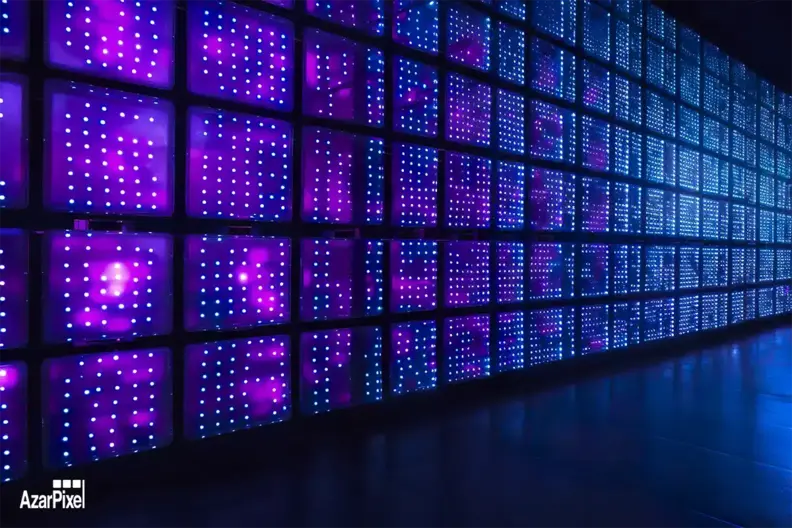
The type of content displayed on your screen can also affect your LED display power consumption. Content with less movement, such as text and static images, requires lower energy compared to moving content, such as animation and video content.
Refresh Rate

Refresh rate helps an LED display operate seamlessly, guaranteeing smooth transitions of slides. This element is relevant in screens often showing fast-paced movements and image transitions, such as gaming displays and cinema screens. It means these types of LED displays often have higher LED display power consumption since they use higher refresh rates compared to their standard versions.
How Types of LED Screens Affect the Power Consumption
 Image Credit: Unsplash.
Different types of LED screens have varying power consumption. This means your choice of the LED display type can affect the operating costs you have to deal with later. Advanced displays operate at a range of 100 to 1000 W/m², so they can consume more power than other LED screens.
For example, an indoor full-colored LED screen with a pixel pitch of P4 or P6 has an average power consumption of 290 W/m², and it costs around $500/m. For outdoor LED screens with higher brightness levels and wider color contrast, the energy consumption can range from 375 to 450 W/m², where the possible costs range from $650/m to $790/m. However, if you want an energy-saving outdoor screen, you can just worry about the LED display power consumption of 200 W/m² and spend $350/m in the process.
All of these values and costs can change by adjusting the different factors that increase or decrease them. It will be up to you to make sure that your budget can accommodate the operating costs of your screen.
How To Measure Value Without An LED Screen Power Consumption Calculator
Learning how to calculate the LED display power consumption helps you prepare for the costs. In summary, the LED display power consumption is the product of the power density, screen area, and brightness. Power density is measured in W/m², while the screen area is measured in meters. Finally, the brightness of the LED screen is computed in percentage. Make sure that before you make any computation, each item is using the proper measurement
For a practical application of this solution, let’s say that you have the following details on hand:
Screen Size/Area – 10m x 10m
Power Density – 650 W/m²
Brightness Rate – 75%
The LED display power consumption with all these given details is 48,750 W/m².
Tips for Maximizing Your LED Display Power Consumption
 Image Credit: Unsplash.
Can you maximize your LED display power consumption? There are several methods you can use to get the best out of your screen’s energy use and lower your utility bills in the process. Here are some practical tips you can consider:
1. Set the Screen to the Optimal Brightness Level
Setting your LED screen to its optimal brightness level can guarantee efficient energy use and less waste. The optimal brightness level refers to the level that guarantees every drop of energy that enters your device is used. This is also the level that makes sure that energy waste is as little as possible.
If you don’t know what it is, you can ask your screen provider for your screen’s optimal brightness level. You can also use your display’s ambient light sensor. Check out its automatic setting feature so that your device can adjust the brightness without the need for setup.
2. Adjust Your Refresh Rate
Similar to brightness levels, you can also adjust your device’s refresh rate to the advantage of your LED display power consumption. LED screens with high refresh rates, like gaming displays, tend to consume a lot of power. High-speed motion content, including games and movies with
In this case, set the refresh rate of your LED screen based on your needs. If you use your display for simple ads and commercials, set the refresh rate to around 60 Hz to 120 Hz. If you use it for gaming and watching action-packed movies, set the rate at least 144 Hz or even 240 Hz to 360 Hz for professional gamers.
3. Use a Dark Background
Just as previously discussed, bright colors consume more energy compared to dark colors. If you plan to use your LED screen for aesthetics or as a backdrop, consider using dark-colored images. This will guarantee less LED display power consumption compared to when you use a bright-colored background, specifically images that have yellow and white in them.
4. Turn Your Device Off When Not in Use
Let’s go to the basics and make sure to turn off your LED screen when you’re not using it. Unplug the device just to make sure. This simple habit can lower your device’s operation costs without you even knowing.
5. Activate Energy-Saving Mode
Most LED displays have an energy-saving feature you can activate when you want to. Make sure that when you turn the device on, you also turn the energy-saving mode on. This decreases power usage and guarantees a lower utility bill, too. If you don’t know how to activate this feature, either ask your local provider or skim through the manufacturer’s manual for guidance.
Conclusion
The LED display power consumption relies on several factors, including the type of LED display, device specifications, and the frequently shown content. With all of these factors, you can adjust some of the elements that affect energy consumption and your monthly utility bill. However, bear in mind that all of these adjustments may also affect your screen’s performance.
LED displays are champions of energy saving. These advanced devices are known to operate effectively without consuming too much energy compared to other screens. Make the most out of your LED display power consumption by following practical tips you can do.

