


There have been many talks comparing the use of virtual production vs green screen. Nowadays, many technological advancements have been achieved across industries, including the entertainment industry. A great development in the film industry, from the motion pictures to the use of LED screen technology.
Advanced technologies have been used to improve the effects and quality of the videos being produced. A virtual production LED wall has been the most recent technological advance when it comes to the film and entertainment industry, which provides a more realistic background.
What is Virtual Production?
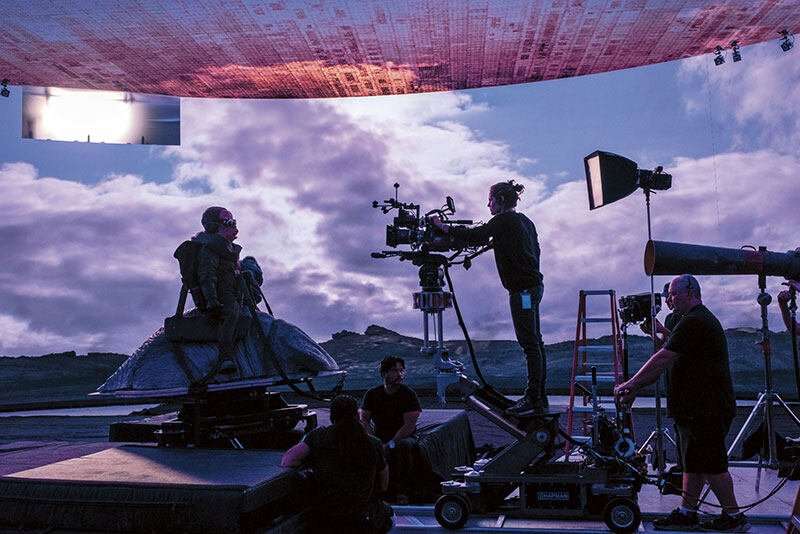
Light-emitting diodes (LEDs) technology in screen displays has been used for virtual production. Virtual production can also be called virtual production LED walls, which use digital cinematography and game engines to process and create unlimited backgrounds. A virtual production LED uses numerous LEDs in an LED wall, which can create a real-life environment and setting which making it easier to film a certain scenario.
So what is an LED wall? It is a wide LED display screen used as a background where you can digitally transform any room with ease. There are various LED video walls available; however, the pixel pitch differs. Thus, a virtual production LED wall is described by the distance of each LED on the screen. It shows that the closer the LEDs are to each other, the greater their definition.
These LED walls have various models that can always be used indoors or outdoors, depending on the setup.
Comparing virtual production vs green screen, the former uses LED walls to display the preferred background instead of just a solid color behind. In the entertainment industry, LED walls are used as backdrops in various live events such as concerts and conferences. These can provide an enhanced experience and mood of the event.
What is a Green Screen?
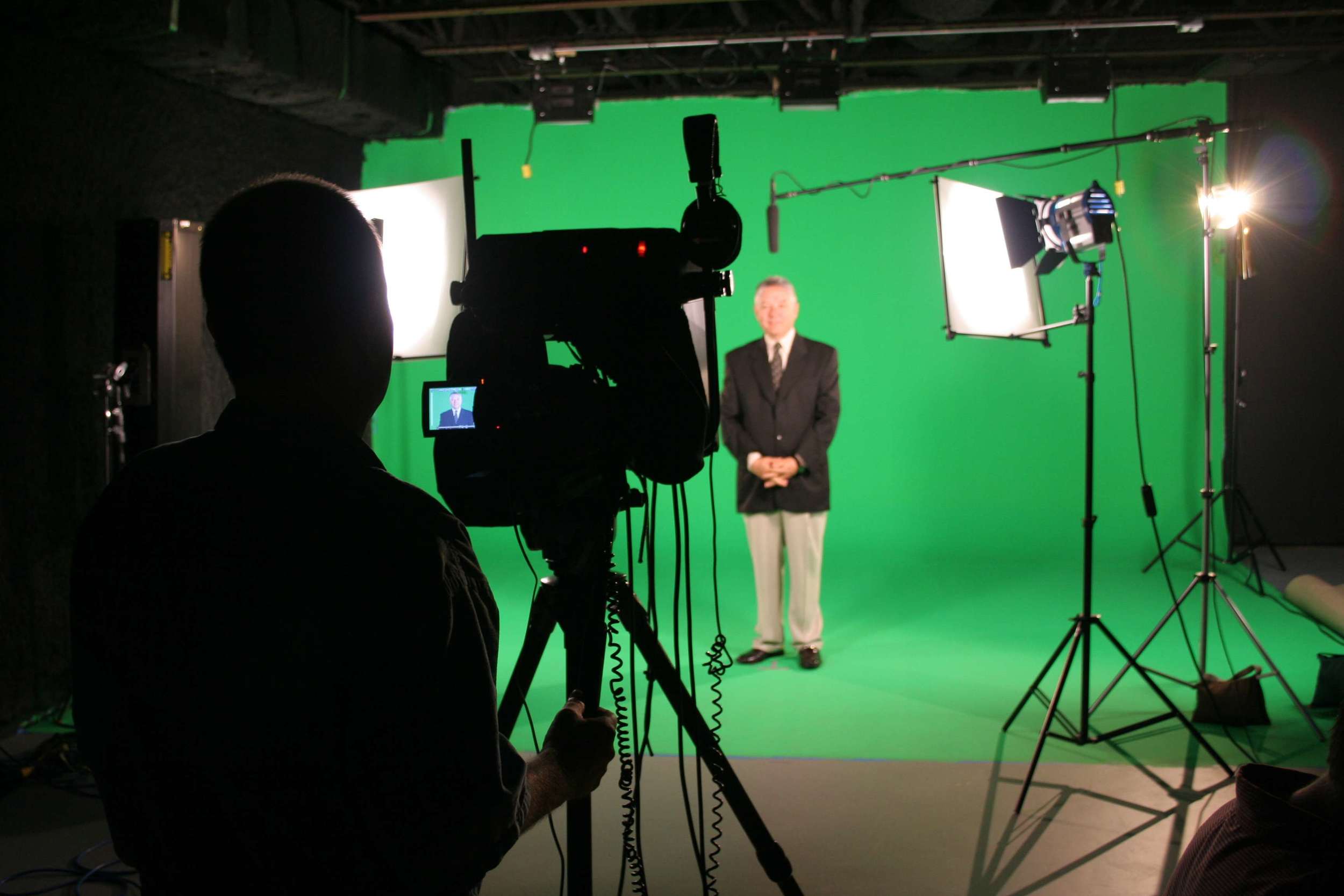
When we talk about green screens, the first thing that comes to mind is the large green canvas backdrop used during photo or video shoots. However, this canvas could also be of any color, like red, yellow, blue, or black. And the most commonly used colors are blue and green, which can be used as a backdrop.
Although green is the preferred color because during the post-production phase, green can easily be distinguished as the background from the human skin tone. Green screens also provide more brightness. However, using green screen, it is a must that there won’t be any fabric or accessories with the same color to avoid any flaws during the post-production phase.
Comparing virtual production vs green screen, the latter usually uses computer-generated imagery (CGI) to process the background. And during video editing, a certain technique known as Chroma Keying is used to process the CGI into the video. Other elements in the video could also be removed, like the wires and other crew members not involved in the film. It can also be replaced depending on what effects the film wants to project, like making a certain actor bigger or removing parts of the body. Thus, animations and other effects could also be incorporated using a green screen.
Virtual Production vs Green Screen: Advantages
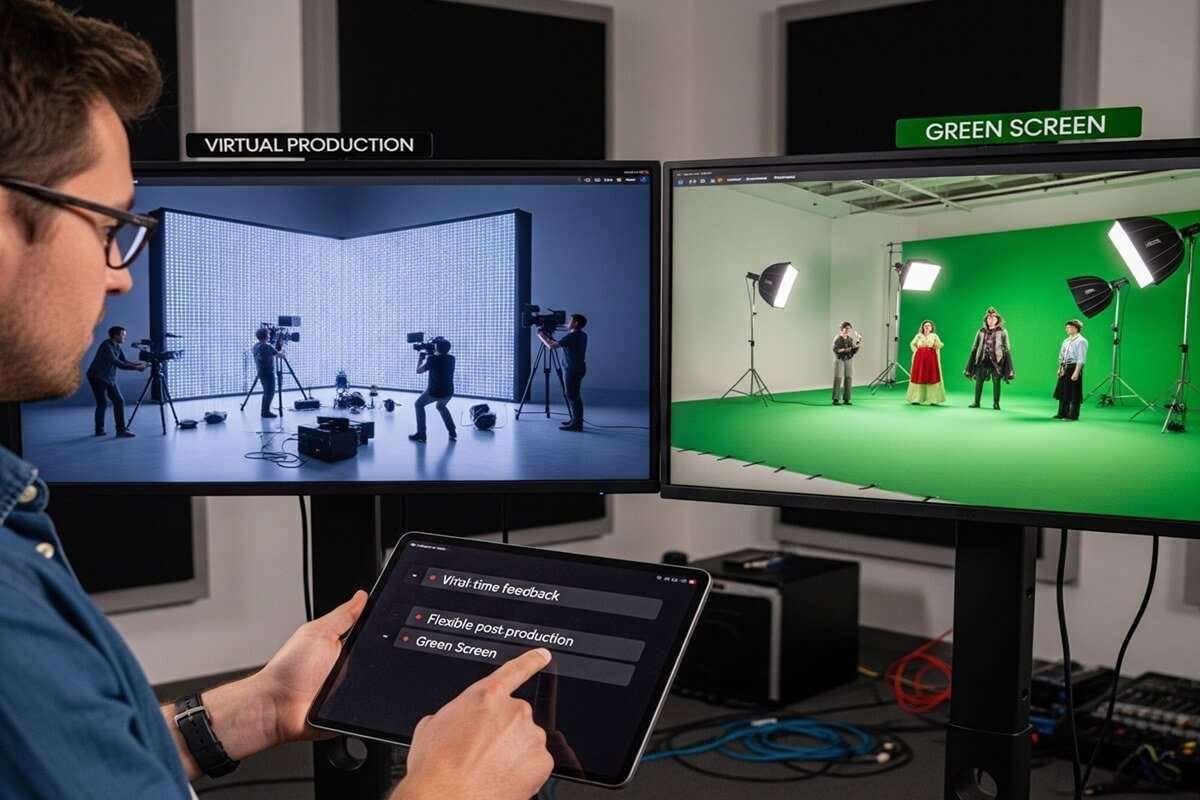 Image Credit: Gemini AI.
Virtual Production
There are some advantages and importance in using LED walls in virtual production. Among them are as follows.
Clarity
Using LEDs can produce higher resolution quality videos, giving creators and editors a satisfactory output. Moreover, the brightness and natural lighting ability of LEDs give a unique and high-quality video. For these reasons, many prefer LED walls in the entertainment industry.
Versatility and Instantaneous Change
Adjusting and changing the environment can be done automatically since the camera and LED walls are synchronized. This also helps them incorporate animations and visual effects while filming, which saves time for editors and creators. Depending on the filmmakers’ specifications, backgrounds and effects are adjusted automatically with just a click or two, giving full control to the production crew.
Less Pressure
Comparing virtual production vs green screen, the former is more stress-free. There is no need to take more shots just to have the perfect angle since LED walls can be adjusted in real time.
Boundless Possibilities
Location is one of the most essential needs for making films and videos. At the same time, finding the perfect location, going from one place to another, is also the most time-consuming. With the use of LED walls, any location and season can be created or recreated during the shooting of a scene.
Realistic and Captivating Environment
Creating a more realistic and captivating environment using the LED walls for on-site filming, not only practical but also time-consuming. The environment can change from one location to another and looks realistic by manipulating lighting and reflections simultaneously.
On-Screen Work
Comparing virtual production vs green screen, using LED video walls in virtual production gives a glimpse of what the final product will look viewed since the background already shows the images or videos needed for the film. This is also cost-efficient as fewer shots are needed to be done. No need to reshoot from different angles just to capture what the director needs for the movie. Thus lesser production cost and less work for actors and directors.
Green Screen
Using green screen also has some of its benefits, which include the following:
Cost efficient
Some would still prefer a green screen over LED video walls since less equipment and props are needed. Therefore, making it cost-efficient.
Improve Creativity and Imagination
Creating videos using green screens can put your creativity and imagination to the test. You have to visualize how the movie will be formed since the background and effects are now yet available until the post-production phase.
Ensures Accuracy
Multiple shoots and reshoots are done to produce the accurate angle and scene needed for the video. Although it’s a bit time-consuming. It can also lessen unnecessary errors.
Virtual Production vs Green Screen: Essential Distinction
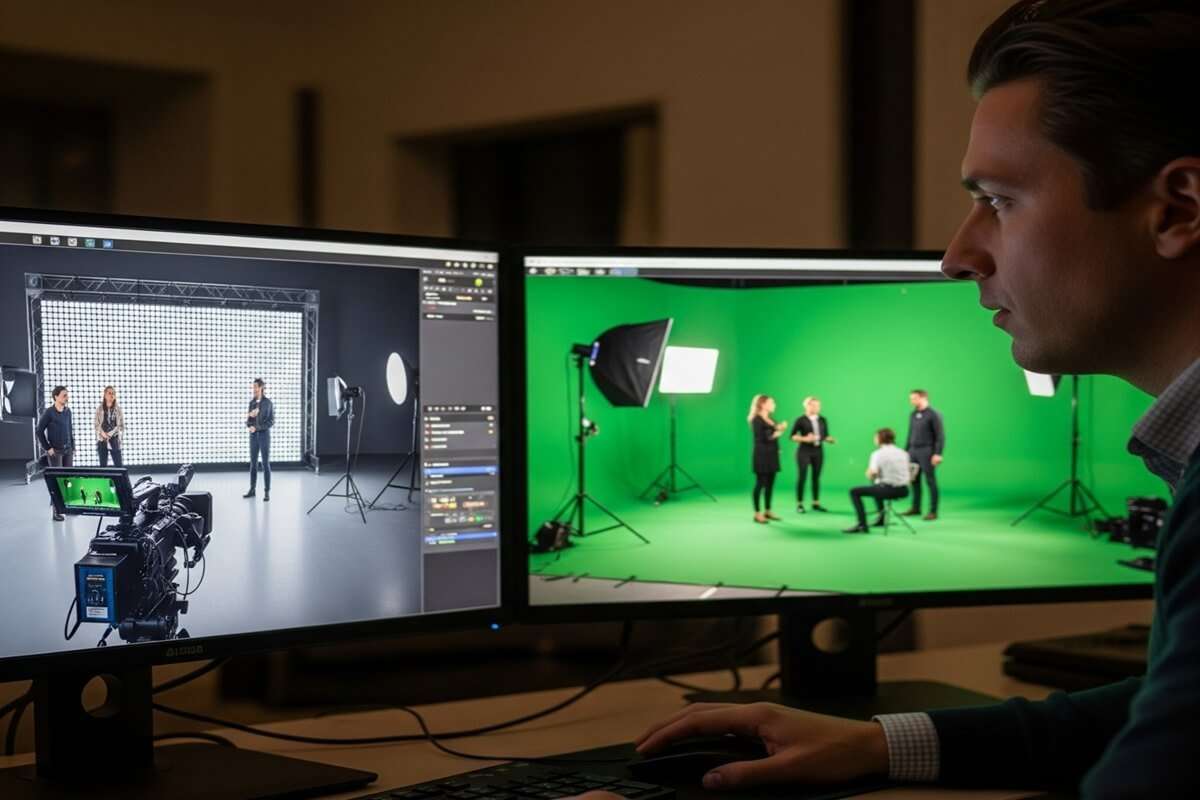 Image Credit: Gemini AI.
Understanding the difference between virtual production LED walls and green screens can give us a clearer perspective of which is more applicable to your own specifications.
Virtual Production vs Green Screen: Shooting Area
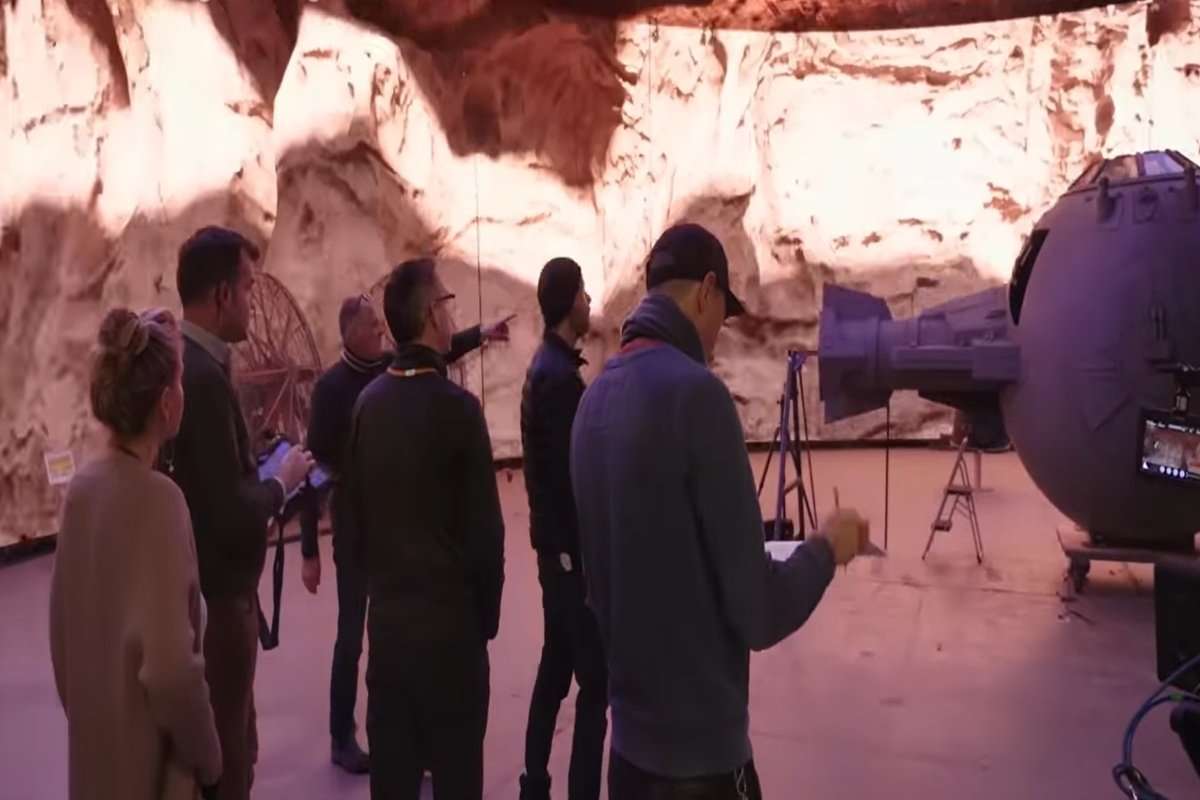 Mandalorian LED Wall – Featured
When we talk about the shooting area, it is where the filming or shooting is happening. There are differences between the shooting environment of virtual production LED walls and green screens. In virtual production, the entire setting has LED panels. Therefore, a bigger and wider space is needed to ensure that actors can perform comfortably.
On the contrary, using green screens in a shooting area is like covering the background with a monochromatic canvas. The canvas is usually set up to the area where you want to remove during the post-production phase.
Virtual Production vs Green Screen: Visual Effects and Workflow
Visual effects and workflow in both are very different. In LED visual production, the workflow is more integrated and unified. Visual effects can be integrated while shooting; therefore, directors and other crew can see a glimpse of the final output. At the same time, alterations and adjustments can be made instantly. Using various technological devices and software, such as previsualization, virtual camera, and real-time computer graphics, can improve the quality of animation and visual effects.
On the other hand, the workflow in green screen productions is almost always linear. Usually, the visual effects are added in the post-production phase. In this production, the shooting of every scene is done first before editing and integrating effects into the video. However, there are instances where reshooting is needed to improve the video and effects.
Virtual Production vs Green Screen: Cost Efficiency
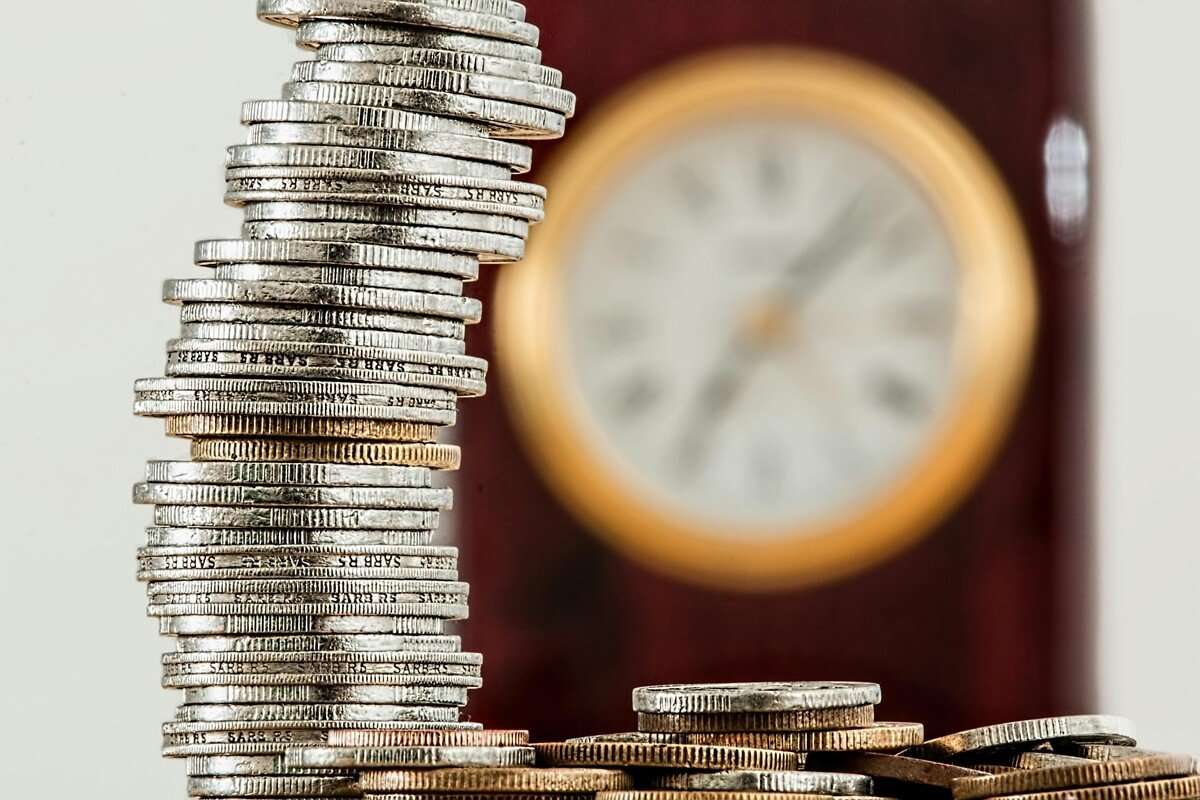 Image Credit: Pexels.
The budget for a production matters. Thus, the cost of what they will use will greatly affect the decision-making. The virtual production led wall price is higher due to the equipment and software needed for this type of production. Aside from the equipment, the location and the crew also add up to the production cost, which makes the initial cost much more expensive. However, this could also be considered a long-term investment for its versatility.
However, green screen production is more cost-efficient. The materials to be used for the screen can be bought from a local store. However, the most work for green screen production is done during the post-production phase, and the most expense would also fall in this phase.
Virtual Production vs Green Screen: Lighting
Lighting is an important factor in any film production. In virtual production, LED walls are used to produce light for the movie scenes. Moreover, technologies like image-based lighting (IBL) and pixel mapping are used to have a more realistic background during filming. Thus, lighting adjustments and corrections can be made in real time. However, fixtures could also be used to increase light intensity. Using LED lights could prevent spills that can be seen in green screens.
On the other hand, to create quality movies using green screens, the lighting must be of quality as well. Soft lights are usually used to have an even distribution of the light. There are three qualities soft light must possess. These qualities are what we call the 3 Fs, which include full, forgiving, and flattering.
Virtual Production vs Green Screen: Amenities
Looking at the amenities used in both productions, we can say that the amenities used in the LED virtual production are far more advanced. Using an LED wall panel, as well as the latest technological devices and software during LED visual production, gives it more advantages. On the contrary, green screen production uses cameras, a green canvas backdrop, and lights for the production.
Virtual Production vs Green Screen: Stage Set Preparation

Setting up the stage for the LED virtual production is far more complicated and takes longer. Different equipment is needed to set up the background, effects, and lights on the stage to improve the production quality. Thus, the digital environment is created before the start of production, making it easy and hassle-free. And all this setting process would at least take a day or more.
However, setting up the stage for green screen production takes less time. It would only take a day or less to set up the green screen production stage.
Virtual Production vs Green Screen: Flexibility
Talking about the flexibility of these two productions. We can say that LED virtual production is more flexible than the green screen process. It gives the directors and filmmakers the opportunity to make changes to the background and effects used in the production in real time. It also allows the filmmakers to test which lights, angles, and backgrounds are necessary for the scene.
On the contrary, green screen production shows flexibility by just using one location for the setup. And this setup can be changed to multiple locations without actually changing its location.
Although the effects, lights, and background are not available for testing, the filmmaker has already pictured out the actual scene to make the editing and the post-production phase easier.
Virtual Production vs Green Screen: Post Production Phase
In the post-production phase, we can see a big difference between LED virtual production and green screen production. It is notable that during this phase, the LED virtual production has fewer tasks to do and less time to consume. Why is that? Well, primarily because most of the effects and editing have been done during the filming phase, which also reduces the frequency of reshooting scenes.
However, the case for green screen production is different. The post-production phase for the green screen requires more time. This is the phase where all the backgrounds and visual effects are added. Also, adding and editing elements to make it appealing and removing unnecessary elements in the film is done in this phase. And since it’s in this phase that the final output can be seen, the reshooting frequency in using green screens tends to be higher to produce a perfect scene necessary for the movie.
Virtual Production vs Green Screen: Required Time and Effort
Looking at the use of LED video walls for virtual production, the filming phase and post-production phase can be done simultaneously, thus saving much time and effort. Adding the background or adding visual effects can be done while the film is in progress.
On the other hand, using green screens for production can be a bit more time-consuming, from worrying about the right background and effects to be used to the reshooting of a scene if it does not fit perfectly. Thus, much effort is exerted when using a green screen.
Virtual Production vs Green Screen: Proper Storage and Maintenance
 Image Credit: Gemini AI.
To extend and prolong the lifespan of certain equipment, proper storage and maintenance must be implemented. Here are some tips on how to store and maintain the LED video walls.
- Storing an LED video wall, a specific temperature of less than 30°C and humidity of less than 60% after opening must be maintained.
- If the LED video wall is stored for more than 3 days, preheating for 4 to 8 hours is required to remove moisture from the screen.
- Let the screen display rest for at least 2 hours a day
- Remove any materials with high electrical conductivity near the screen.
- Follow the appropriate cleaning requirements for LEDs. Among these is using microfiber for cleaning and other LED-safe cleaning solutions. Just make sure to follow the manufacturer’s instructions with regard to cleaning.
- Use appropriate rodenticides and insecticides to keep the rodents and other insects away.
On the other hand, using the green screen does not need much care and maintenance. In the green screen, a canvas or fabric is used for the background. Thus, to keep and maintain the canvas, washing the cloth is the only thing to do, ready to use for the next production.
Virtual Production vs Green Screen: Visualization
LED wall virtual production provides a greater visualization of the final output of the movie. Directors and filmmakers can create the background and incorporate other visual effects while shooting a scene. Changes and alterations can also be done while shooting the scene.
However, green screen production does not have this visualization; they tend to use their imagination and creativity while shooting to come up with the best angle. Only during the post-production phase can the final output be seen.
Virtual Production vs Green Screen: Background
Comparing the background used for LED wall visual production and green screen production, the former uses a virtual background where other visual effects are incorporated while shooting a screen.
On the other hand, green screen production uses a green canvas backdrop.
Conclusion
Comparing virtual production vs green screen offers different advantages and disadvantages. Therefore, deciding which to use will depend primarily on the budget and needs of the production team.

