


Do you ever wonder about the structure of high-end screens that makes it possible for them to produce stunning visuals? LED screens can be seen all over shopping malls, stadiums, and even major roads and highways. And they have become a powerful tool for advertising and communication, making it interesting to explore the comprehensive LED screen structure that enables their functions.
If you’re investing in this high-end device, you’ll be joining the industry’s expanding global market, which is expected to reach $19.5 billion (US) by 2026. This massive value is proof that the LED screen industry continues to grow and presents a great investment opportunity.
Before diving into this possible investment, learn about the entire LED screen structure and what it delivers. Go through the key components that made LED displays popular and advantageous to many individuals, businesses, and industries today.
What Is An LED Screen Structure?
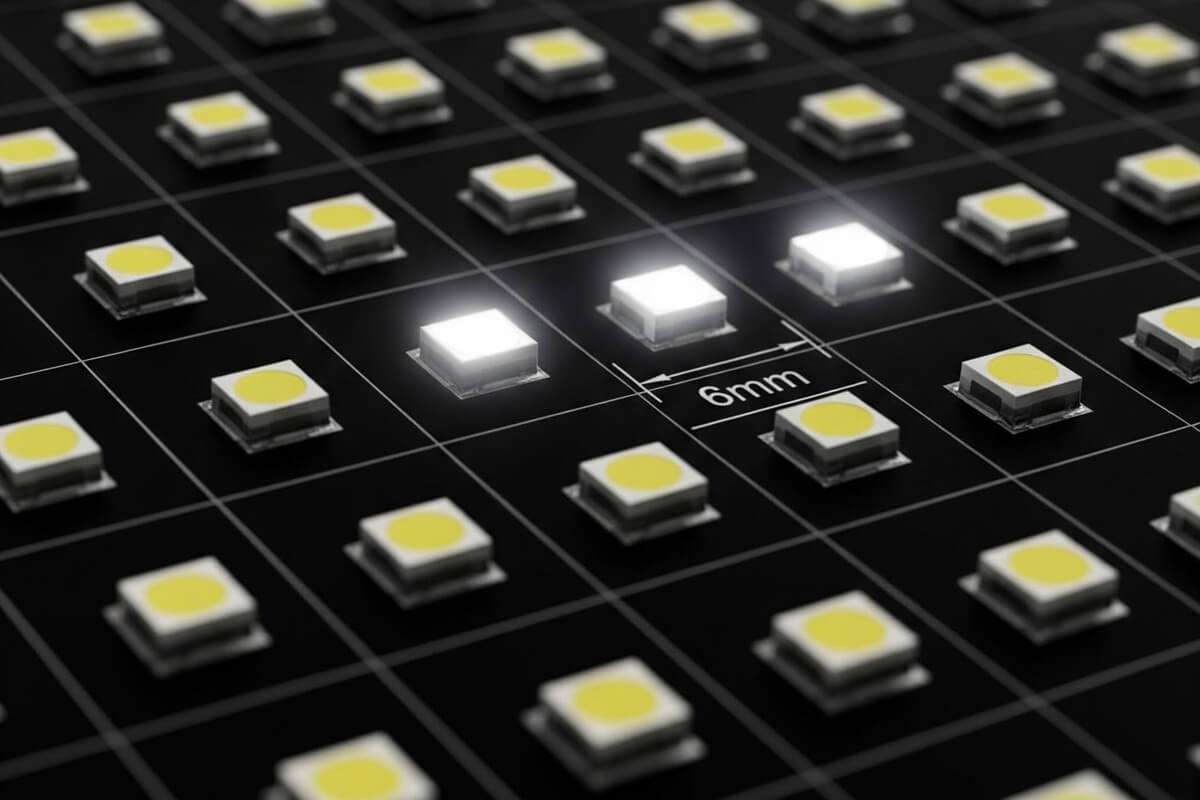 Image Credit: Gemini AI.
An LED screen structure pertains to the complete composition of the device. This refers to both the entire ensemble and every component that comprises the powerful device.
Light-emitting diode displays operate through luminescence, allowing them to produce vibrant, colorful visuals without generating heat, even in direct sunlight. Its composition varies widely, depending on the following elements:
- Indoor vs. Outdoor – The differences in LED screen structure between indoor and outdoor displays will be discussed in more detail later in this guide.
- Type of LED Display – Some LED screens have more components because they offer features beyond standard LED displays. For example, transparent LED displays feature a grid-like and hollow structure, unlike the standard LED display’s opaque structure.
- Installation Complexity – This can alter the LED screen frame and make additions to the entire ensemble.
Sometimes, an LED screen structure is simply regarded as the frame and structural backbone. However, most of the time, it means the entire package, with all the components required for the LED display to function and operate successfully.
Basic Components of LED Screen Structure
The LED screen structure comes with various components that guarantee its successful operation. Here’s a breakdown of these components:
LED Modules
This refers to the core component of the entire ensemble, which carries the necessary parts for the display to function. They receive power from the supply to start the system. And the module starts to produce a variety of colors and hues, which are used to form stunning images
The LED module is made up of the following fundamental building blocks:
- LED Diodes – The core parts that make the entire operation of this device possible. Each LED contributes to the clarity and resolution of the produced image.
- PCB Boards – These components are the foundation of the LED screen structure, including the LED modules and all the LEDs used in the device. They are used to connect everything and guarantee seamless data and power connectivity.
- Integrated Circuit Drivers – These ICs control LED brightness and color, fostering dynamic, synchronized visuals.
LED modules have a scalable design, where they can be expanded and grouped to create bigger ensembles. You can customize the ensemble however you want, and you will only be limited by your budget and creativity. These are the types of LED modules to choose from:
- Side LED Modules – Popularly installed in home interiors most of the time for aesthetics.
- Black LED Modules – These are the hardware used internally for monitors and other computer screens.
- Flex LED Strip Modules -These are the units used when creating colorful signage that can emphasize letters and numbers.
LED Frame/Cabinets

The steel structure for LED screens typically refers to the LED cabinet or frame. It ensures that the LED modules are together, stable, and fixed according to the design and specifications.
This reliable hardware is crafted to connect LED modules and create a bigger ensemble. They have the following parts:
Cabinet Frame
The frame secures the LED modules in place, ensuring they won’t be out of place. It also protects the LED modules against potential physical damage and environmental factors.
Connection Points
This refers to the areas where the cabinets are connected, resulting in a larger and more stable ensemble. These connection points make it easier for users to assemble and disassemble the LED display.
LED frames or cabinets come in varied forms, depending on where they are installed. The ones used for indoor installations are often sleek and aesthetically pleasing. Meanwhile, outdoor LED frames are much more durable and weather-proof. Here are some of the materials these LED cabinets are made from:
- Stainless steel
- Plastic board
- Iron
- Aluminum alloy
Control System
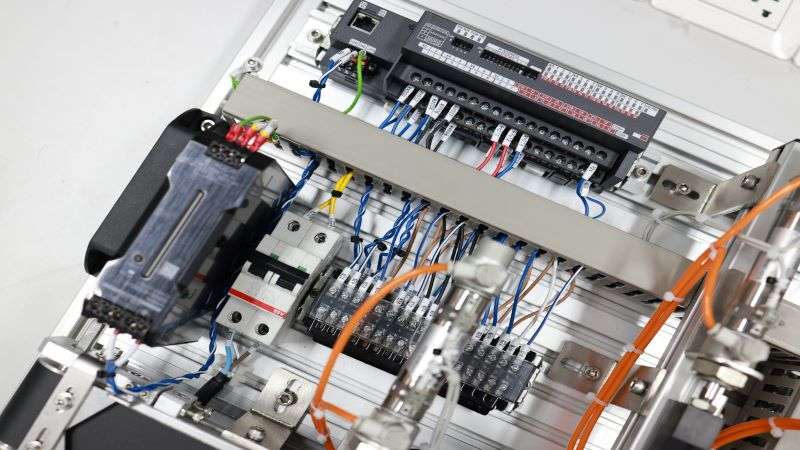
The LED screen structure’s control system leads the entire operation of the device. The control system functions as the brain of the LED display unit, processing signals and transmitting data to the LED modules. It can control the following functions:
- Brightness regulation
- Voice activation
- Integrate fading features
The control system has the following powerful parts:
Control Board
This control board serves as the video processor for the entire LED screen structure. It is responsible for managing the sending and receiving cards, as well as processing the signal and temporarily storing data. It often uses a computer that receives the signal from the content source and ensures that the correct image or video is displayed.
Control Software
This refers to the powerful tool used to manage content and ensure smooth LED display operations. It can do the following tasks:
- Set brightness levels and color contrast
- Choose and edit content
- Schedule content
Video and Multi-function Cards
Several cards are essential parts of the LED screen structure. They help integrate features into the processing unit, such as advanced gaming and video editing. These are the cards used by these screens:
- Receiving Cards – These are located in each cabinet, and are responsible for decoding the signal that’s received by the LED module displays.
- Sending Cards – These are in the control computer and deal with the video signal transmission to the LED screen.
Power Supply
The power supply provides the electricity that the entire LED screen structure needs to operate successfully. It controls the energy that enters the system and moves around the cables. The system also converts the current that enters the system into a usable form when the device requires a different type of current, whether it’s 110V or 220V.
It is an important component that helps keep the brightness levels and color consistency stable in an LED display. Stable electric flow guarantees you won’t experience screen dimming or flickering.
Cables and Connections
The entire wiring system of the LED screen structure is comprised of several types of cables. They ensure that the flow of electricity and signals within the control system is seamless and successful. Here are the cables found in the system:
- AC Cable – Connects for the AC power supply
- Ethernet Cable – Connects the computer to the sending box that transmits the signal to the LED modules for display
- DC5V Cable – Connects to the LED modules to transfer power
- Flat Cable – Connects the receiving card to the LED module to transmit signals to the device
Content Source
This refers to the device where the content is stored and sourced. It’s often wired to the controller, but it can also be wirelessly connected, depending on the function of the device. It sends the signal to the controller so that the content will be shown on the screen.
Some of the devices that can be used as a content source include the following:
- Camera – Often needed for real-time and live content
- Computer – Can show images and video clips stored in PCs
- DVD Player – For content stored on DVDs
- Flash Drives – Ideal for portable storage and location setups
- Cloud (Such as Google Drive/OneDrive) – Often used for wireless and remote connectivity
Reflective Layer (Front Glass/Acrylic)
The reflective layer of an LED structure refers to the material where viewers see the screen. It can either be made from acrylic or glass, depending on the design. These materials are often chosen for their transparency.
The LED screen structure’s reflective layer admits ambient light into the display to successfully project the visuals the device was meant to show. This transmissive and reflective component helps the device remain fully illuminated and allows natural light to be redirected inside. And it’s just one of the necessary layers for the high-end screen to work effectively.
An acrylic reflective layer is often ideal outdoors, where the device is exposed to weather elements. On the other hand, the glass reflective layer is better indoors, considering it is more vulnerable to scratches and similar types of damage.
LED Screen Structure: Indoor Vs. Outdoor

There’s a significant difference between the LED screen structure of an indoor display and an outdoor one. These are the differences between the two worth taking note of:
Indoor LED Displays
Cabinet Material: Lightweight Aluminum
Brightness Levels: 1,000 to 2,000 nits (Moderate)
Viewing Distance: Short but High Resolution
Weatherproofing: Optional (Not Required)
Indoor LED displays often come with a lightweight aluminum cabinet, which is not as durable and sturdy as other materials used in some screens. They have moderate brightness levels with a short viewing distance since they are installed indoors. With high resolutions, these screens are perfect for the following:
- Conference rooms
- Shopping malls
- Concert and theater stages
Outdoor LED Displays
Cabinet Material: Alloy or Heavy-duty Steel
Brightness Levels: 5,000 to 8,000 nits (High levels)
Viewing Distance: Long but Lower Resolution
Weatherproofing: IP65 or Higher (Required)
The LED screen structure of outdoor displays is often integrated with more durable cabinet materials, such as heavy-duty steel or alloy. Since these devices are installed in areas exposed to external factors and weathering elements, they are designed to be weather-resistant with a long viewing distance. They are ideal for the following usage:
- Billboards
- Stadiums
- Street LED displays
How To Assemble Your LED Display

When you assemble your LED display, it’s important to learn the entire LED screen structure. Once you’ve become familiar with all the relevant parts that make up the device, here are the steps to follow to assemble your LED display efficiently:
Step 1
Put all the LED modules in their respective frames and cabinets. Connect and secure all the power and data cables.
Step 2
Assemble all the integrated cabinets to build the bigger ensemble you’ve designed. Pay close attention to the mechanical locking systems to secure the cabinets together. Don’t forget to connect the receiving cards and power supplies.
Step 3
Next, work more closely with all the cables in every cabinet. Check all the data and power cables of each cabinet and ensure each one is properly linked to the control system.
Step 4
Finally, calibrate the entire LED display for its color contrast and brightness levels. Make sure that all LED modules have uniform colors and visuals.
LED Screen Structure Common Issues and Solutions
What are the common issues you might encounter when using an LED screen? Just like any other electronic device, some challenges can arise from using such a high-end product. Some common issues include:
Dead Pixels
This issue happens when the LEDs fail to operate. To resolve this, dismantle the LED display ensemble and replace the modules with dead pixels.
Uneven Brightness
When your LED screen has uneven brightness, the best solution is to calibrate the device to have uniform brightness. Hire an expert to calibrate your devices if you don’t know how to do it. You can also use calibration tools to do it on your own.
Flickering Screen
This refers to the issue when the screen flickers. It can be due to one of the following:
- Loose cable connections
- Unstable power supply
To avoid this issue, check out the power connections of all your LED modules. Secure all cables and make sure you have a stable electric source.
LED Screen Structure Maintenance and Troubleshooting
 Image Credit: Gemini AI.
To keep your LED screen in optimal condition to operate efficiently, you need to do the following things:
1. Conduct Routine Inspections
Check the LED screen structure for any sign of physical damage or faulty operation. Check for loose connections, dents, and scratches on the surface.
2. Regularly Clean the LED Display
Use a clean, soft microfiber cloth to wipe the surface of your screen. Dirt stacked on the display’s surface can affect its brightness and overall visuals, so make it a regular habit.
3. Keep Software Updated
Check if your control software is updated. And if not, download the new version to guarantee optimal performance for your LED display.
4. Troubleshoot Your LED Display
Hire a professional to troubleshoot your LED screen or do it yourself if you know how. If there’s no display output, check the power supply and ensure all data cables are securely connected. For color issues on your screen, recalibrate the LED screen and make sure the control software is up to date.
Choosing the Right LED Screen Structure
Getting the perfect LED screen structure involves choosing the perfect device based on your needs. When building your LED display, here are practical tips that can help you avoid having issues operating the device:
- Take into account the size and shape of your LED ensemble when choosing the frame or mount to use.
- Settle on a safe, durable, and well-balanced LED frame rather than focusing on aesthetics.
- Make sure all the cables (both data and power) are in good condition and properly connected to their respective slots. Shorter cables can guarantee a more seamless operation.
- Look into the compatibility of all the components of your LED display, including the cards and cables.
- Check if the resolution of the content (images and videos) and the LED display match.
Conclusion
An effective LED screen structure is comprised of highly operating components compatible with each other. From the LEDs and control system to the LED modules and cabinets, all of these parts are important for the high-end device to produce colorful and stunning visuals.
If you plan to build your own LED display ensemble, choose compatible parts one by one based on your content and usage requirements. Apply practical tips in purchasing your device and building the ensemble.

