


LED screens can be a bit heavy, and they need sturdy support to stay upright. One of its major support systems is the LED screen frame. Without a strong and reliable LED screen frame, the device or the entire ensemble won’t function effectively.
LED displays are high-end screen devices integrated with advanced technology, perfect for today’s modern aesthetics and functionality. And based on market research, the outdoor LED display industry alone is expected to reach 23.3 billion US dollars in 2030, up by 15.9% from 2020. This jump in value makes it an attractive industry to invest in.
One of the components that guarantees long-term investment is the LED screen frame. Learning more about this component will help you make the best decisions about this investment.
What Is An LED Screen Frame?

The steel screen frame pertains to the structural backbone that supports the LED display ensemble. It refers to the outer protective shell that holds all the modules together. It also aids in the installation and mounting of the device’s stability, enhancing the screen’s security and effective operation.
Some come with a steel display stand, while others come with a durable mount to support the device’s weight. It all depends on the type of LED screen frame you’re getting for your device. However, your choice is crucial to ensuring the LED screen operates at its optimal condition.
Choosing incorrectly may indicate an unstable installation, increasing your device’s vulnerability to external factors and weathering elements, such as rain and strong winds. If the LED screen frame is unstable, the screen will be shaky and even malfunction.
Are LED Screen Frames Customizable?
Yes, they are highly customizable. You simply need to identify the following elements for you to solidify the exact specifications and type of LED screen frame you want:
- Budget
- Compatibility with Building and Structure’s Architectural Designs
- Aesthetic and visual concept
- Technical requirements
- Installation location
- Environmental elements and provisions
A good starting point for customizing your LED screen frame is to review the various types you can choose. From there, you can simply take into account all the other factors to guarantee a good choice.
Various Types of LED Screen Frames
LED display frames come in different forms. Depending on the usage and application, you can get the perfect type that fits your requirements. Skimming through as many types as possible is key to identifying the perfect option.
Basic Types of LED Screen Frame

The market offers these most common types of LED screen frames:
Standing LED Screen Frame
This refers to the two-pole LED screen frame type that’s commonly installed with LED screens. The poles serve as the elements that support the frame’s independent installation, and technically carry the entire weight of the LED screen ensemble. They are often made from sturdy and durable materials, such as strong wood and metal.
Hanging LED Screen Frame
This type is often fixed to the facade of buildings. At times, you find them hung on the side when it’s convenient. These hanging frames use the building’s beams to support the entire installation’s weight, regardless of its size.
Wall-mount LED Screen Frame
This LED screen frame is typically installed on the wall. They are designed to fit the wall’s aesthetics, where the frame will be installed. It will also affect the frame’s size and shape. Make sure to choose a sturdy material that can support the weight of the entire LED screen ensemble.
Based on the Type of LED Display
 transparent led wall curved
There are also different types of LED screen frames based on the type of LED displays they support. Here are the ideal options for each LED screen type.
Indoor LED Display
For indoor LED screens, the frames are usually hanging or wall-mounted. These are the preferred frames primarily due to limited space and the availability of walls and ceilings.
Outdoor LED Display
For outdoor LED screens, frames are freer in both size and shape. They can be larger and take on unique shapes because of the space that’s available in the installation. However, they also need to be durable enough for outdoor installation.
LED screen frames used in outdoor installation need to be resistant to environmental elements, such as wind and moisture. Since they are exposed to outdoor elements, they need to be stronger and need to protect the LED display well.
Curved LED Display
For curved LED screens, the skeletal frame should also follow the same curves to support the devices properly. This seamless screen frame can guarantee the protection of the device while in operation. If you don’t know where to get a frame like this, consider customizing one and take it as an investment.
Based on Installation
LED screen frames can also be differentiated by their installation type. These are some of the basic types under this category:
Fixed
This pertains to LED screen frames that are installed fixedly on a structure. It can be the floor, wall, or a specific building facade, and the installation is for the long term and won’t be changed after some time.
Mobile
This means that the LED screen frame is attached to a vehicle so that the entire ensemble can move around as desired. The vehicle can be a bus, taxi, or even a trailer truck.
Standalone Installation
Also known as an independent installation, this refers to the type used on LED screens with a stand-alone structure. A good example of this is a digital billboard you’d see on major roads.
Based on Materials Used
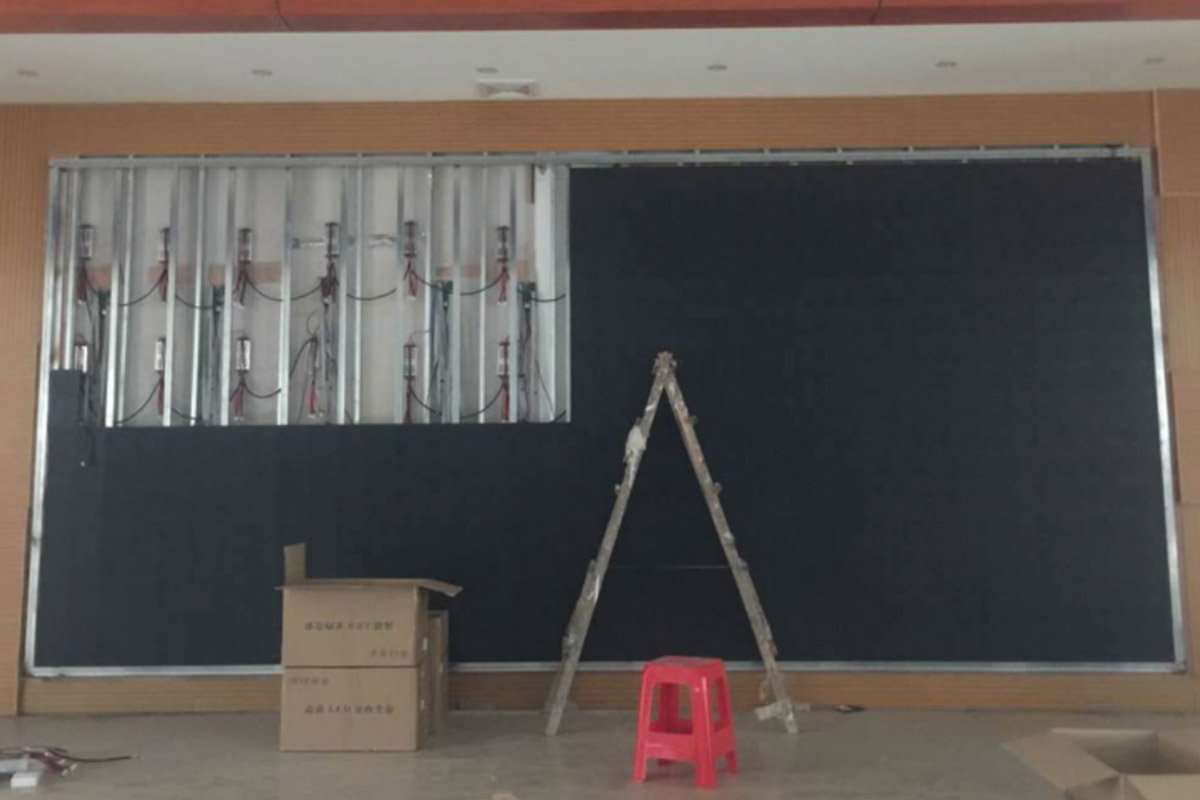 cheap led display without cabinet
Finally and most importantly, there are different types of LED screen frames based on the materials they are made from. Your choice of what type of LED screen frame material can be affected by the different factors, and it’s only in learning about each type that you will be able to make a more informed decision.
Here are some of the materials you can consider for your LED screen frame.
Iron
An LED screen frame made from iron is one of the most common structures found in the market. It’s easily available in stores and utilizes plate irons to create the shapes needed for the skeletal frames. This type of LED screen frame is popular for flexible LED screens and some outdoor LED displays.
Advantages
- Affordable cost
- High availability
- Easily customizable
- Good airtight
Disadvantages
- Heavy and not portable
- Vulnerable to rust after some time
- Mediocre precision and strength
Carbon Fiber
This material is considered a high-end consideration for LED screen frames. It only weighs approximately 9.4kg/square meter, making it lighter than aluminum. It is popular for rental LED screens due to their portability and durability.
Advantages
- Incredibly lightweight
- Excellent strength and precision
- Easy maintenance
- Top-notch splicing capability – into different angles
Disadvantages
- Expensive costs
- Need special tools for handling
Die-Casting Aluminum
This LED screen frame type is typically found in small-pixel-pitch LED displays and rental devices. Its user-friendly maintenance makes it a popular option in the market.
Advantages
- Excellent strength and precision
- Capable of providing seamless splicing
- Lightweight construction
- User-friendly assembly
- Designed holes for cables and lockers
- Usable for hanging and stocking
Disadvantages
- Requires design tooling
- Expensive costs
- Long lead time
- Limited to small cabinets
Aluminum Alloy
The aluminum alloy LED screen frame is popular for outdoor installation because of its pros. It is notable for its lightweight construction and capability for seamless splicing.
Advantages
- Lightweight construction
- Highly customizable
- Excellent heat dissipation
- Rust-proof
- Does not require special tools
Disadvantages
- Not great precision
Magnesium Alloy
A magnesium alloy LED screen frame is lighter and stronger than aluminum, making it a popular option for many users. This also makes this type of LEED screen frame perfect for high-end rental LED display devices.
Advantages
- High strength and precision
- Lightweight construction (lighter than aluminum)
- Excellent appearance
- Acid and base
Disadvantages
- Expensive costs (more than aluminum)
- Requires special tools
How To Choose The Right Type of LED Screen Frame

Getting the right LED screen frame type increases your device’s protection and safety when in operation. Look into the following factors before making a decision on which skeletal frame to get for your device.
Type of LED Screen
What is the type of LED screen you have? It needs to match the LED screen frame you choose. For example, curved and LED screens need a unique frame for them to be effective. Customizing the skeletal structure for these types of LED devices is the best thing to do.
LED Screen Size and Shape
Match the LED screen frame with your display’s size and shape. The screen needs to conform to the shape and size of the device to operate seamlessly, effectively, and aesthetically. An unfit frame can lead to the device falling off or getting damaged.
User Budget
Before skimming through the steel structure for LED display prices in the market, look back on your project budget. Make sure that the costs of the LED screen frame you’re eyeing are within your budget. For a limited budget, check out cheap frames instead of expensive ones.
LED Screen Usage
Take into account the application of your LED screen. If you’re installing the LED display outdoors, you will need a durable and weatherproof frame. This is the reason why it’s important to consider how, when, and where you will use your device.
How To Install Your LED Screen Frame
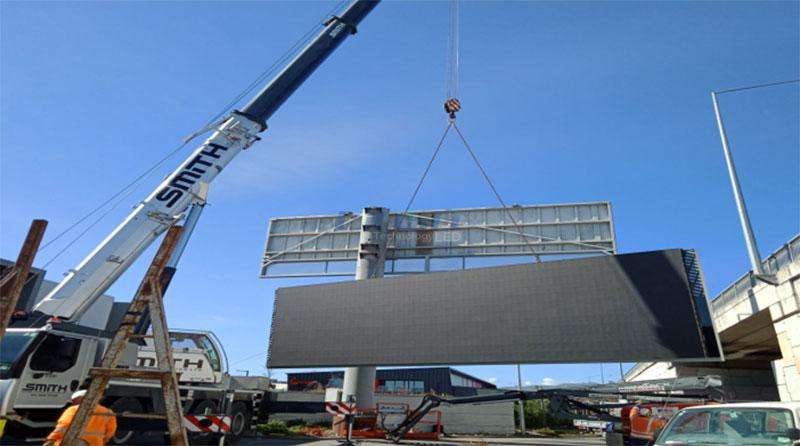
LED displays can only properly and safely operate if you install the skeletal frame the right way. Excellent installation is only possible by making sure you consider all the factors that can affect the device’s operation. Some of these considerations are the following:
- Frame size
- Installation complexity
- Tools availability
- User’s technical knowledge
You can DIY the job, but you might need a technician’s help if you don’t know anything about installation. You need to have basic technical knowledge about LED screen frames, their installation, and how they work. As a guide, follow these simple steps:
1. Prep your LED screen frame
First, gather all the items and tools you need to install the LED screen frame. Choose an available, spacious, and clean spot to work on. Depending on what’s available and what you need, you might need specific support for your frame, such as crank brackets, truss, clamps, and chain hoists.
2. Install the cabinets into the frame
Get the cabinets and place them where they need to be attached. Use support rods to make this task easy for you. Start from the bottom all the way to the top for convenience.
3. Meticulously attach the cabinets to the frame
Install the LED display cabinets carefully into the frame. Carefully connect each cabinet using connection plates. Look for the holes at the back of the cabinet and secure them with M10 screws.
4. Connect all the cabinets
Once you’ve attached all the cabinets to their corresponding frames, the next step is to tightly connect each ensemble. Use connection plates and M10 screws too for this task.
5. Connect all the cables in the LED screen ensemble
Once you’ve built the entire structure into one device, check on the cables next. Make sure that all the wires (both power and signal cables) are properly connected on the modules.
6. Test your LED screen
The next step is to plug in the LED screen and try to see if it’s properly operating. Start programming the device with the specifications and settings you need it to have. Turn it on and troubleshoot (follow manual instructions) the screen just to be sure.
Tips for Installing Your LED Screen Frame
Make it more convenient and easier for you to complete the installation process by following these practical tips:
- Carefully install each cabinet row by row, and make sure that no gaps are seen
- Adjust the cabinets accordingly and make sure they are leveled
- Handle each LED module and cabinet with care to avoid irreparable damage (Avoid dropping or bumping them into tables and walls)
- Make sure to take safety measures to avoid possible losses (both personal and property)
- Ask an expert to help you and start on it if you think you can’t handle it
Conclusion
Pay attention to the LED screen frame of your device to guarantee optimal operation. An issue with the frame can create a bigger issue with your device. And if you plan to make your LED screen a worthy investment, pay attention to the frame that will support and protect your investment.
Dive into all the different types of LED screen frames and match them to your display needs and device requirements. Installing your own frame is also possible, as long as you have the technical know-how. However, if you’re not sure you can do the job properly, just leave it in the hands of the experts.

