


A sunlight-readable display is a type of screen that is viewable in bright sunlight. These are perfect for outdoor use or high ambient light environments as they use the latest technology to boost brightness and reduce glare.
To break it down:
- High Brightness: You can see clearly in direct sunlight with these displays’ brightness levels over 1000 nits.
- Anti-Glare Coatings: Many sunlight-readable displays have special coatings to reduce glare and reflections so the content on the screen is visible.
- Transflective technology combines transmissive and reflective properties to use ambient light while maintaining a strong backlight for low light environments.
Sunlight-readable displays preserve contrast and clarity unlike regular displays that fade or become unreadable in bright light. This is important for applications in various industries such as automotive, outdoor kiosks and military equipment.
Also many of these displays are ruggedized so they can withstand environmental challenges like moisture and dust which is perfect for outdoor use. Knowing these features will help you make informed decisions when choosing a display for your needs.
How do Sunlight Readable Displays Work?

The key elements that make sunlight-readable displays work:
- High Brightness: Sunlight-readable displays have a brightness of 1000 nits or more which is way higher than regular screens. This higher brightness ensures content is visible in direct sunlight.
- Anti-Reflective Coatings: These displays have special coatings that minimize glare. This reduces reflections from the sun so you can see clearly.
- Transmissive and Reflective Technology: Many sunlight-readable displays combine transmissive (backlighting) and reflective (ambient light) technology. This hybrid approach uses sunlight as a source of illumination and makes it readable in bright conditions.
- Higher Contrast Ratios: Sunlight readable displays have higher contrast ratios so dark colors are more visible against bright backgrounds. This is important when using the display outdoors.
With these technologies, sunlight readable displays gives you the best viewing experience. Whether you’re using them in outdoor kiosks, vehicle dashboards or handheld devices, knowing how they work will help you choose the right display for your needs.
LCD TFT Vs. LED Sunlight Readable Display
What is a TFT LCD Sunlight-Readable Display

A TFT LCD sunlight-readable display uses Thin Film Transistor (TFT) Liquid Crystal Display (LCD) technology with features to make it visible under bright light or sunlight. These displays are backlit and optimized with transflective layers and anti-glare coatings to combat direct sunlight and reflections.
The liquid crystals in TFT LCDs don’t emit light but rather controls how light passes through them. Since it depends on a backlight, it’s inherently less efficient in extreme brightness but still good for semi-outdoor use.
Applications:
- Retail Displays: For semi-outdoor kiosks or in-store signage near windows.
- Industrial Equipment: Used in control systems under partial sunlight.
- Automotive Dashboards: Affordable for vehicles with limited direct sunlight exposure.
Advantages of TFT LCD Displays
Cost-Effective:
- Less expensive than LED displays so perfect for budget friendly projects.
- Good for smaller displays or use cases where extreme brightness isn’t a requirement.
Energy Efficient in Specific Scenarios:
- Transflective LCDs uses ambient light, requires less backlight power in bright conditions.
Wide Range of Applications:
- Available in various sizes and configurations for office monitors, kiosks and semi-outdoor digital signage.
Higher Contrast Ratios:
- Anti-reflective coatings makes visibility better by creating higher contrast especially under moderate sunlight.
Disadvantages of TFT LCD Displays
Limited Brightness:
- Typically 1,000–2,000 nits so not effective in direct sunlight.
- May look washed out in high glare environment.
Durability Limitations:
- Less rugged than LED displays and may require additional weatherproofing or enclosures.
- Exposed to UV and extreme temperature.
Shorter Life:
- Operational life is 40,000 to 50,000 hours, need to replace more often than LEDs.
Maintenance Required:
- Anti-glare coatings can degrade over time and backlight components may need to be replaced, adds to long term cost.
What is an LED Sunlight-Readable Display?

LED sunlight-readable displays uses Light-Emitting Diode (LED) technology where each diode is a light source. Unlike TFT LCDs, LEDs emits light directly, has higher brightness, better energy efficiency and more durable. These displays are designed for harsh environments, outdoor advertising, transportation and industrial monitoring.
Applications:
- Outdoor Advertising: Billboards and digital signage in high glare condition.
- Transportation Hubs: Train station displays, airport flight schedules.
- Industrial Monitoring Systems: Outdoor control panels, field equipment.
- High-End Consumer Electronics: Premium smartphones, tablets and wearables.
Advantages of LED Sunlight-Readable Displays
Higher Brightness:
- Brightness above 5,000–10,000 nits for excellent visibility in direct sunlight.
- No compromise on color accuracy and contrast at higher brightness.
- IP rated design for water and debris resistance.
Longer Life:
- LEDs can last 100,000+ hours, less replacement cycles.
Better Visual Quality:
- Wide color gamut and high contrast ratio for vivid and true to life images.
- Minimal motion blur for dynamic content.
Energy Efficient:
- Adaptive brightness feature reduces power consumption during low light, saves energy cost in the long run.
Disadvantages of LED Sunlight-Readable Displays
Higher Upfront Cost:
- Advanced technology and rugged design makes LEDs more expensive.
- For long term investment where reliability is key.
Power Consumption at Max Brightness:
- Efficient overall but ultra high brightness requires more power.
- May be challenging for battery powered or off grid applications.
LCD TFT vs LED Sunlight-Readable Displays
| Feature | LCD TFT Displays | LED Displays |
|---|---|---|
| Brightness | 1,000–2,000 nits | 5,000–10,000+ nits |
| Durability | Moderate | Excellent |
| Life | 40,000–50,000 hours | 100,000+ hours |
| Power Efficiency | Moderate | High |
| Cost | Affordable | Higher upfront cost |
| Applications | Indoor/semi-outdoor | Outdoor/high glare |
LED Technology
LED technology uses individual light-emitting diodes to produce brighter and more vivid images with less power. Recent advancements like MicroLED and Quantum Dot LEDs further boost brightness, efficiency and color accuracy.
Features:
- Pixel Level Control: Uniform brightness and no light leakage.
- Slimmer Design: Thinner and lighter for portable devices.
- Low Heat Emission: Reduces overheating issues of other display technologies.
Prices
- TFT LCD Displays:
- Affordable, $300-$800 per sqm for outdoor models.
- LED Displays:
- High end, $500-$3,000 per sqm depending on brightness, durability and custom features.
Different Brightness Levels
- TFT LCD Displays:
- 2,000 nits max, suitable for semi outdoor but not for direct sunlight.
- LED Displays:
- 3,500–5,000 nits for high glare and outdoor condition.
Durability & Life
- TFT LCD Displays:
- Requires protective enclosure for weather resistance.
- 40,000–50,000 hours life.
- LED Displays:
- Can withstand harsh condition with high IP rating.
- More than 100,000 hours, less replacement cycles.
Display Power Efficiency
- TFT LCD Displays:
- High backlight power consumption.
- LED Displays:
- Adaptive brightness and diode based illumination for better power efficiency.
Advantages of Sunlight Readable Displays
Sunlight readable displays have many advantages that can greatly improve your user experience especially in outdoor environment. Knowing these advantages will help you decide if these displays are right for your application.
User Experience

When it comes to sunlight readable displays, the goal is to improve the overall user experience. This is not just about visibility in bright condition but also other factors that contribute to user satisfaction.
One of the key aspect of user experience is reduced eye strain. Regular displays are hard to read in direct sunlight, users have to squint or strain their eyes. With sunlight readable technology, you can see clearer without discomfort.
- Better Readability: Higher contrast between the screen and ambient light makes text and images easier to read so you won’t miss important information.
- More Interaction: Touchscreen is improved, smoother interaction even in bright environment which is important for outdoor applications.
- Longer Battery Life: Many sunlight readable displays use energy efficient technology that consumes less power, longer device life in outdoor environment.
Durability and Longevity
Durability and longevity are key factors that affect your investment. These displays are exposed to harsh environment, extreme temperature, moisture and physical impact. So understanding the construction and material used in these displays will help you decide.
Modern sunlight readable displays are designed to withstand outdoor use. They often use high strength glass or polycarbonate material that resist scratches and impact so your display will remain functional and clear even after long exposure to the elements.
- Weatherproof: Many sunlight readable displays have weatherproof casing that protects against rain, dust and UV.
- Temperature Range: These displays can work in wide temperature range from freezing to extreme heat, suitable for various environment.
- Component Life: Internal components of sunlight readable displays are often rated for longer life so you don’t need to replace and maintain frequently.
Applications of Sunlight Readable Displays
Sunlight readable displays are becoming more and more important in various industries because they can perform well under bright light condition. These displays are designed to improve visibility and make information readable regardless of the surrounding light.
In the previous section we discussed Durability and Longevity of these displays. Now let’s see the specific applications where sunlight readable displays are making an impact.
Outdoor Signage

Outdoor signage is a dynamic and flexible application of sunlight readable displays, businesses can communicate effectively in bright environment. This is important for grabbing attention of passersby, especially in high traffic area where traditional signage can’t be seen.
With the right outdoor signage, you can deliver content that inform, entertain and attract customers. These displays have advanced brightness and contrast capabilities so you can see it even under direct sunlight. This is important for businesses that rely on outdoor advertising to drive foot traffic.
- Better Visibility: Outdoor digital signage uses high brightness screen (over 1000 nits) so your content can be seen in any lighting condition.
- Weatherproof: Many outdoor displays are weatherproof, IP rated enclosure that protects against rain, dust and extreme temperature.
- Content Flexibility: You can update your content in real-time, promote time sensitive offer or adjust messaging based on audience demographics.
- Cost Effective Marketing: With lower printing cost and ability to rotate message, outdoor digital signage is more cost effective in the long run compared to traditional signage.
To get the most out of your outdoor digital signage, remember to: position the display where it can be seen, use dynamic content that grabs attention and update your message regularly so it stays fresh and relevant. With proper implementation outdoor digital signage can boost your marketing and customer engagement.
Smartphones and Tablets
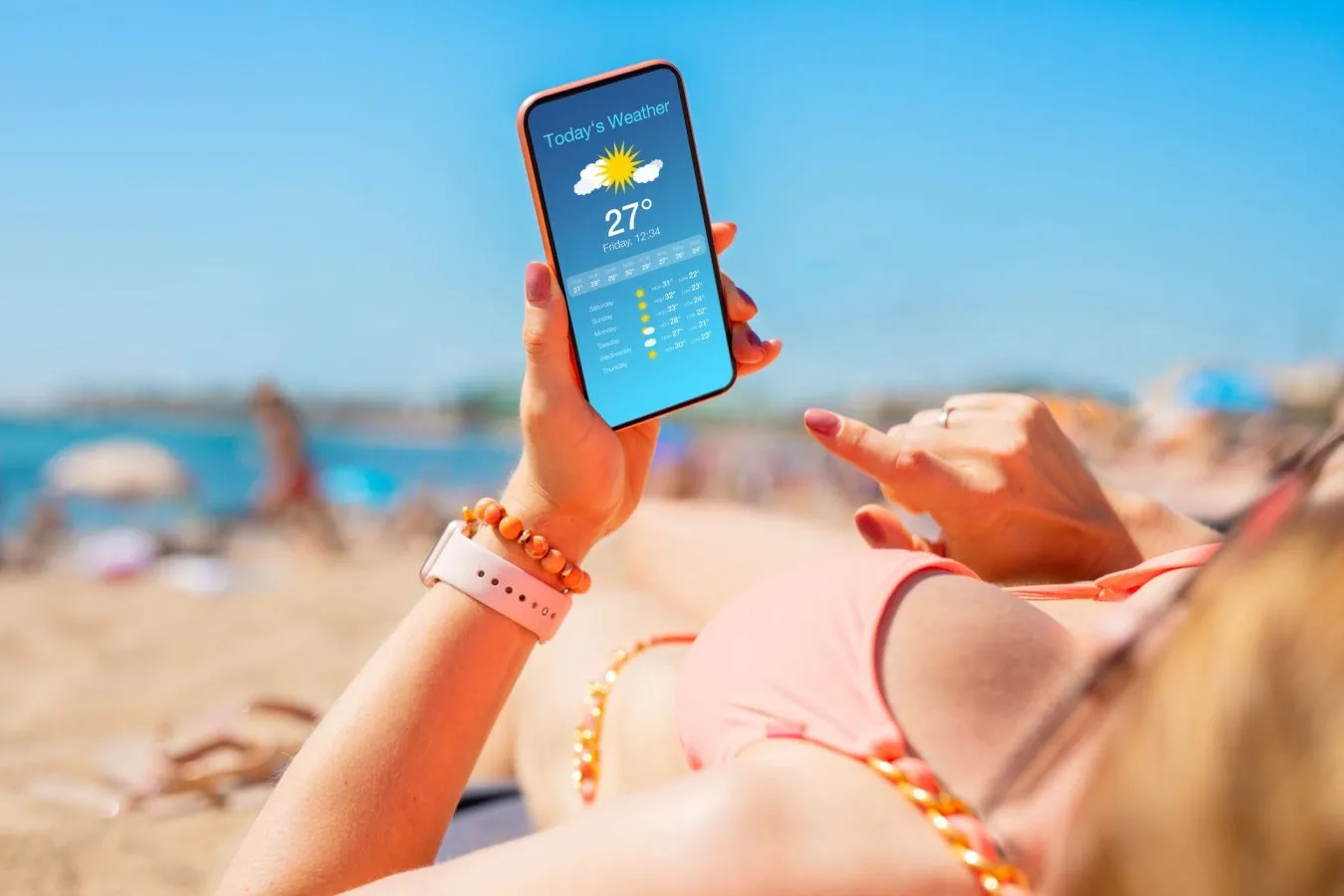
In this digital era, smartphones and tablets are must have tools for daily communication, information and entertainment. With the rise of mobile computing, sunlight readable display is becoming more and more important.
When you’re outdoors whether for work or play, being able to see your screen clearly is important. Devices with high brightness display and anti-glare technology lets you enjoy your content without straining your eyes. Here are the key features to look for in smartphones and tablets:
- High Brightness: Look for displays with at least 1000 nits brightness so you can see it under direct sunlight.
- Anti-Glare Coating: This reduces reflections and helps in reducing eye strain when using the device outdoors.
- Adaptive Brightness: Some devices auto adjust brightness based on ambient light so you can see it in any condition.
- Durability: Look for devices with rugged design that can withstand outdoor elements, water and dust.
Besides these features, you might want to check out smartphones and tablets that are marketed as outdoor devices. Brands are now developing devices that cater to users who need sunlight readable display for personal and professional use.
Automotive Displays

When talking about sunlight readable display, we should also consider its application in the automotive industry. Automotive displays have evolved, not only to enhance the look of the vehicle but also to improve functionality and safety. You use these displays for navigation, vehicle status and entertainment, so visibility under direct sunlight is a must.
Modern automotive displays are designed to have high visibility in any lighting condition, especially bright sunlight. This is achieved through:
- High Brightness: Automotive displays can go up to 1000 nits and above so you can see it clearly even under direct sunlight.
- Anti-Glare Coating: This reduces reflections and improves readability so you can view information without distraction.
- Adaptive Brightness: Many displays auto adjust brightness based on ambient light so you can see it always.
- Sunlight Readable TFT Technology: Thin Film Transistor (TFT) displays with advanced backlighting technology has excellent contrast and clarity in bright environment.
Having these technology in your vehicle’s display system means you can access important information safely and conveniently regardless of the external condition. For example, GPS navigation is easier to follow on a bright day when your screen is designed to combat glare and excessive brightness.
Industrial Equipment
In industrial equipment, sunlight readable display is important for operational efficiency. Many industries such as manufacturing, construction and energy rely on displays that can withstand harsh environment while still providing clear visibility. This is more important when working outdoors or in bright ambient light.
You can find sunlight readable display in industrial equipment such as:
- Heavy Machinery Displays: Operators need to see data and controls in direct sunlight without straining their eyes.
- Control Panels: In factories, control panels with sunlight readable display ensures operators can monitor the process.
- Mobile Devices: Handheld devices used in fieldwork must be readable under bright sunlight to ensure safety and efficiency.
To ensure your industrial equipment has the right display technology:
- Choose the Right Technology: Use transflective or high-brightness LCDs for better visibility in sunlight.
- Test Under Real Conditions: Always test display in actual operational environment to see how it performs under bright light.
- Evaluate Durability: Make sure the display is rugged and can withstand vibrations, temperature fluctuations and moisture.
These will help you choose the right sunlight readable display for your industrial equipment so you can be safe and productive.
How to Choose Sunlight Readable Display
When choosing sunlight readable display for your industrial equipment, you need to consider several factors that affect visibility and performance. Unlike regular display, these special screens are designed to combat glare and improve readability in bright environment.
Here are the things to consider:
- Brightness: The higher the brightness (in nits), the better the visibility in direct sunlight. Look for displays with at least 1000 nits for bright environment.
- Anti-Glare Coating: This reduces reflections and improves visibility. An anti-glare screen can make a big difference in readability by reducing light glare.
- Contrast Ratio: High contrast ratio means text and images stands out from the background. This is important for readability under sunlight.
- Viewing Angle: Displays with wide viewing angle maintains clarity from different positions. Make sure the display is visible from different angles for multiple users.
- Durability and Weather Resistance: If the display will be used outdoors, consider its durability against environmental factors like rain, dust and extreme temperature. Look for IP rating for weather resistance.
- Touchscreen Capability: If interactivity is needed, make sure the display is touchscreen capable. This is useful in kiosks and outdoor applications.
- Power Consumption: Power efficiency is important especially for portable displays. Review the power requirements to avoid high energy cost.
Brightness Levels
In the previous section, you have learned Key Features to Consider when choosing sunlight readable display. Now, let’s go deeper into Assessing Brightness Levels since this is a crucial factor that affects how well a display performs under direct sunlight.
When evaluating brightness levels, consider these: nits, contrast ratio and adaptive brightness.
- Nits: This is the unit of measurement for brightness. A display with at least 1000 nits is considered sunlight readable.
- Contrast Ratio: Higher contrast ratio makes text and images stand out more against the background brightness.
- Adaptive Brightness: This feature adjusts the display brightness based on ambient light conditions so you can have the best viewing experience.
To evaluate brightness levels, check the specs from the manufacturer. Also, test the display in real world conditions to get a practical feel of how it performs. Remember, a display with higher brightness not only provides better visibility but also reduces eye strain so you can work outdoors easier.
Viewing Angle
Evaluating the viewing angle is important to ensure the display performs well under different lighting conditions. Just like brightness levels discussed earlier, the ability to view content clearly from different angles affects user experience.
A good display should maintain visibility and color accuracy even when viewed from an angle. Here are the things to consider when evaluating viewing angle:
- Viewing Angle: A good sunlight readable display should have at least 160-degree viewing angle.
- Color Fidelity: Check how the colors look from different angles. A display that maintains its color integrity when viewed from the sides is important for accuracy.
- Brightness Uniformity: Make sure the brightness is consistent across the entire screen even when viewed from different angles. This prevents dark spots and uneven lighting that can affect visibility.
- Contrast Ratio: Evaluate how well the display maintains contrast from different angles. Higher contrast ratio helps in distinguishing content under harsh sunlight.
For practical evaluation, use the display in actual environment where it will be used. This way you can test how it performs in real world scenarios like outdoors or in bright rooms. Remember, a display that excels in viewing angle performance will boost productivity and usability especially in applications where multiple users will be viewing the screen at the same time.
Conclusion: The Importance of Sunlight Readable Displays in Your Technology
In this fast paced world, sunlight readable displays is a vital component in making technology usable. As we discussed earlier in sustainability and energy efficiency, these displays not only provides better visibility but also conserves energy by reducing backlighting. This dual benefit makes them a must have feature for many applications.
In the end, the value of sunlight readable displays goes beyond visibility. They are a key to making your devices functional so you can work anywhere. As you plan your technology needs, prioritizing displays that can perform well in bright conditions will not only improve user experience but also align with modern demands for sustainability and energy efficiency.

