


Choosing a lighting option goes beyond brightness levels; it’s about technology innovation and efficiency, as well as design and practical application. Two types used in the industry today are COBs (Chip on Board) and regular LEDs. Both have their advantages for specific situations. This blog will list the pros and cons and specific applications where each one shines.
Exploring the Differences Between COBs and Standard LEDs
In the last few years since LED technology was introduced, traditional LED has become more efficient and durable while newer technologies like COB LEDs emerged. These two types of LEDs are often pitted against each other, sparking debates among buyers and industry experts when it comes to which is best for home and commercial lighting.
LED lighting is a long-term and expensive commitment so you must weigh the pros and cons of your options.
COB LED Technology Explained

COB means Chips on Board. This type of lighting uses multiple LED chips on one board, as the name says. This helps create a more intense light compared to other LED technologies. Here are its advantages:
- High Intensity: The COB LED technology produces one strong beam of light because it has the LED chips placed in very close proximity with each other which is denser than most other LED chip technologies. The arrangement of the chips results in a more focused and consistent light beam while decreasing glare and ensuring uniform brightness levels throughout.
- Energy saving: COBs are more efficient than others because of high lumens per watt. This means they can produce the same level of light intensity using less power.
- Reliability: The multiple LED chips will spread the light evenly and with no harsh shadows. This increases the efficiency of the production of light and the overall quality of light produced.
- Superior Heat Dissipation: The compact design of COB LED chips tends to generate more heat than if the chips are installed in an array as is the case with other LED lamps. Nevertheless, designers were able to manage this by working with a thermal substrate that served as the primary way to control temperature.
Traditional LED Technology Explained
A light-emitting diode (LED) is simply a diode that illuminates when an electric current passes through it. Red, green, and blue diodes form each LED chip, in turn, are located in sequence on a printed circuit board (PCB). For general lighting applications like street lamps and home lighting, regular LEDs are used. They’re also used in applications that need a wide array of colors and light effects. Here are its advantages:
- Modular Design: Traditional LEDs come as chips that can be mounted individually or combined with components for different lighting setups offering flexibility in design and configuration options.
- Versatility: Traditional LEDs come in various types, including the popular SMD (Surface Mounted Device), which offers different brightness levels, wide color options, and beam angles. This versatility allows traditional LEDs to be used for decorative or general-purpose lighting needs.
- Longer Life: Depending on usage and brand, COBs are designed to last up to 60,000 hours. The long lifespan means you save up on any additional maintenance and replacement costs.
- Cheaper: Because they’re an older technology and production has been streamlined, traditional LEDs are cheaper than the newer and more advanced COBs. Typical LEDs are perfect for larger installations or projects operating with a limited budget. Modern conventional LEDs can help you save on energy—and money—compared to outdated lighting options such as incandescent or halogen bulbs.
COB LED vs LED Comparison

Design
COB LED:
- Compact Design: COB LED chips are packed tightly to minimize gaps between them. This reduces the “dead” space and increases the light intensity of COBs, good for applications that require consistent and even brightness.
- Consistent Light Distribution: The light beam from COB LEDs is even. This uniformity is beneficial in applications that require consistent light coverage such as retail displays, art galleries, and large office spaces. The fewer shadows and hotspots make the light quality and visual appeal better.
- Integration: COB LEDs integrate multiple chips into a single module, simplifying the assembly process and reducing the number of individual components. This integration not only simplifies manufacturing but also improves reliability and consistency in performance. Fewer components mean less chance of individual failures affecting the entire setup.
Traditional LED Design:
- Individual Placement: Traditional LEDs also known as SMD (Surface-Mount Device) LEDs are mounted separately on a circuit board. Individual placement means there’s a gap between each diode so there can be uneven light output in some applications. This is appropriate for applications that need flexibility and adaptability, even though it might not offer as much continuous lighting as COB LEDs.
- Dispersed Light Output: Gaps between diodes in traditional LED design can cause less uniform light output. While LED technology has improved this, light distribution may still vary especially in applications that need high consistency.
- Modularity: Traditional LEDs can be replaced individually, so maintenance and customization are easier. This modularity is good for applications that need periodic updates or repairs as individual LEDs can be replaced without replacing the whole display.
Winner: COB LEDs. In applications requiring seamless and high-density illumination, COB LEDs’ small size and consistent light output make them superior to conventional LEDs.
Brightness

COB LED Brightness:
- Increased Brightness: Because COB LED chips are smaller than traditional LEDs, they provide more light. This is good for applications that need high lighting such as large commercial spaces, high-visibility signage, and stadium lighting.
- Efficiency: COB LEDs generate a lot of lumens while using less electricity. Low power consumption means lower operational costs.
- Beam Angle: COBs have a wider beam angle so light distribution is quite broad. This is good for places like warehouses, exhibition venues, and open workspaces where wide lighting is needed.
Traditional LED Brightness:
- Medium Brightness: Although traditional LEDs are more energy efficient than COBs, their brightness output is lower. The dispersed diodes of traditional LEDs may not produce the same level of brightness, especially in demanding situations.
- Efficiency: Efficiency-wise, traditional LEDs have decent light output in some scenarios. But not as strong as COB LEDs. Although this is the case, it’s still a viable option for many lighting needs because of the balance of performance and cost.
- Beam Angle: Traditional LEDs have a narrower beam angle, which can result in less uniform light distribution. This can be addressed by using reflectors or lenses but may not always provide the same level of broad coverage.
Winner: COBs can produce brighter lights more efficiently than standard LEDs.
Shape

COB LED Size & Shape:
- Compact: COBs are perfect for areas with limited space because of their small size and high output.
- Usage: Because of its small size COBs are perfect for narrow applications and light strips.
- Design: COBs can be made in various sizes and shapes by manufacturers to fit individual needs including customs for special uses.
Traditional LED Size & Shape:
- Bigger Size: From a size and intensity perspective, COBs are bigger and less concentrated than traditional LEDs. This limits its application in compact spaces where more integrated solutions are needed. A bigger size means bigger fixtures or housing.
- Less Flexible: The bigger form factor of traditional LEDs can limit its application in thin or flexible lighting solutions. This can affect its design and installation scenarios.
- Design Constraints: Traditional LEDs need more space on the circuit board which can reduce the number of diodes that can be included.
Winner: COBs are better for lighting in smaller working areas.
Durability
COB LED:
- Durable Build: COB LEDs are designed to withstand high temperatures and physical impact. The thermal substrate works together with the heat management system. This protects the LEDs from damage caused by overheating and extends their lifespan, good for applications in harsh environments.
- Longer Lifespan: COB LEDs can last up to 60,000 hours depending on usage and brand. You save on maintenance and replacement costs.
- Heat Dissipation: The concentrated COB LED chip generates a lot of heat. However, they are mounted on a thermal substrate, which reduces overheating and extends lifespan and performance.
Traditional LED Durability
- Good Build: Traditional LEDs are durable but not as tough as COB LEDs when it comes to high temp and mechanical stress. They are built for normal operation but are more prone to damage in extreme environments.
- Medium Lifespan: Traditional LEDs last between 30,000 to 50,000 hours depending on quality and usage. They have a decent lifespan but may need more replacement than COB LEDs.
Winner: COBs have better heat dissipation and cooling systems.
Thermal Performance
COB LEDs:
- Advanced Heat Management: COB LEDs have advanced heat dissipation systems including heat sinks and thermal coatings to manage the heat generated by the dense array of LED chips. Integrated design allows for better cooling which is crucial for performance and thermal degradation.
- Better Cooling: COBs small size means better cooling, less overheating, and optimal performance. Thermal management is key to the overall reliability and lifespan of the lighting solution.
- Thermal Stability: COB LEDs are designed to withstand high temperatures without affecting performance or lifespan. Advanced cooling and robust build ensure COB LEDs remain stable and efficient at high temperatures.
Traditional LEDs:
- Moderate Heat Dissipation: Traditional LEDs generate less heat than older technologies and have larger spacing for better heat dissipation. But they still need proper ventilation and cooling to prevent overheating and performance.
- Basic Cooling: Traditional LEDs don’t have as advanced cooling as COB LEDs. They are stable but lack of advanced cooling can affect performance in high-temperature environments.
- Thermal Stability: Traditional LEDs are stable but prone to performance degradation in extreme heat. Proper heat management is required for longevity.
Winner: Compared to the standard LED, the COBs have enhanced cooling mechanisms and heat control to facilitate their performance.
Cost
COB LEDs:
- Expensive: The design and manufacturing of the COBs are relatively expensive than normal LED. But the price is worth it.
- Value for Money: In the long run, COBs are more valuable than regular LEDs even if it’s more expensive mainly because of their overall performance. COBs have brighter light and durability too, energy efficiency and longer lifespan mean more savings as time goes by.
- Price Range: COB LED prices vary depending on brand quality and features. Compare your options and consider the total cost of ownership including energy consumption and maintenance costs.
Traditional LEDs:
- Cheaper: Traditional LEDs are cheaper than COBs and good for budget-constrained projects.
- Lower Value for Money: Traditional LEDs have decent performance but are not as bright and long-lasting as COB LEDs. Their affordability makes them good for projects where performance isn’t a must.
- Consistent Prices: Since traditional LED technology is already established, their pricing is steady and affordable which makes it easier to compare one brand to another.
Winner: When it comes to cost, traditional LEDs have an advantage due to their affordability and stable pricing. But COBs have long-term benefits on ruggedness and performance.
Energy Usage

COB LEDs:
- Energy-efficient: COBs provide more lumens per watt than the other LEDs.
- Reduced Electricity Consumption: Compared to LED, at high brightness levels COBs further reduce electricity consumption to produce high luminous intensity.
- Battery-Powered Applications: COB LEDs perform well in battery-powered devices because of their energy efficiency. Longer operational time and lower power requirement make it suitable for applications where battery.
Traditional LED Energy Consumption:
- Good Efficiency: Traditional LEDs are better at conserving energy than older lighting technologies. It provides good light output with relatively low power consumption, good for many standard lighting applications.
- More Power Consumption: While having the same brightness level, regular LEDs use a little more power than COBs. The difference in power consumption affects overall energy cost, especially in large-scale installations.
- Power Source Dependence: Traditional LEDs are effective in various power source configurations but not as efficient as COB LEDs in battery-powered applications. Its versatility makes it suitable for many power sources, including mains and low-voltage systems.
Winner: COB LEDs are more energy efficient and consume less power.
Applications of COB LED and Traditional LED
Where to Use COB LEDs?
Commercial Settings

- Retail Stores: COB LEDs are perfect for product display, creating an attractive shopping experience. Its high CRI (Color Rendering Index) helps in accurate color display which can drive sales and attract customers.
- Museums and Exhibition Spaces: These environments need precise and focused lighting of COB LEDs which can highlight exhibits and artifacts without causing light damage. COB LEDs’ compact design also allows for discreet installation maintaining aesthetic integrity.
Home Environments

- Home Use: Its high lumen output and good color rendering can enhance the ambiance of the living space and provide task lighting in the kitchen.
- Task Lighting: COB LEDs are good for task-oriented applications such as reading or cooking. Its consistent brightness and efficient heat management make it suitable for desk lamps, under-cabinet lighting, and other lighting fixtures.
Workplaces:
- Studio Lighting: COBs provide consistent and customizable light sources for high-end photography and video production. Its good color accuracy and low heat output are important for image quality and subject comfort.
- Workspaces: In areas where detailed work is done, such as a workshop or art studio, COB LEDs provide bright and consistent lighting that reduces eye strain and improves productivity.
Where to Use Traditional LEDs?
General Lighting Purposes
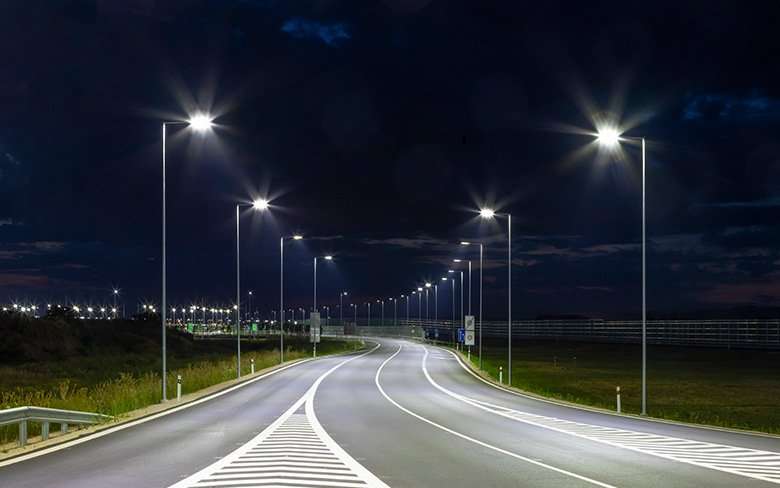
- Streetlights: Traditional LEDs are used in street lighting due to their durability and energy efficiency. It provides consistent lighting for roadways, safety, and visibility.
- Ceiling Fixtures: In residential and commercial buildings, traditional LEDs are a practical choice for general lighting. It’s available in various designs and color temperatures, good for different lighting needs.
- Outdoor Lighting: Traditional LEDs are suitable for outdoor applications like garden lighting and security lights. Its weather resistance and low maintenance requirement make it ideal for low-maintenance applications.
Cost-Effective Applications:
- Holiday Decorations: For temporary or seasonal lighting, traditional LEDs are a cost-effective solution. Its lower initial cost makes it a practical choice for decorations that are used infrequently.
- Temporary Lighting: For events or setups that are not permanent, traditional LEDs are an affordable lighting option. Its easy installation and lower upfront cost make it suitable for temporary applications.
Deciding Between COBs and Standard LEDs
Efficiency and Performance
- COB LEDs: If you prioritize efficiency and high light output, COB LEDs are a good choice. It’s designed to produce more lumens per watt, good for applications where performance and energy saving are important.
- Traditional LEDs: For general lighting where efficiency is important but not the top priority, traditional LEDs are a good option. It still saves energy compared to incandescent light bulbs.
Color Accuracy and Design Freedom
- COB LEDs: For applications that need precise color rendering and design flexibility, COB LEDs are better. Its uniform light distribution and color accuracy make it good for artistic or high-end commercial use.
- Regular LEDs: Regular LEDs have good color accuracy but in some special applications, they may not match COBs. But it’s available in various designs and can be adapted to different environments.
Initial Cost vs. Long-Term Savings
- COB LEDs: With its extended lifespan and exceptional energy efficiency, COB LEDs can save you more money over time. It’s a good investment for applications where lighting is used frequently and needs to be high-performing and cost-effective in the long term.
- Traditional LEDs: With lower upfront cost, traditional LEDs are a more budget-friendly option for short-term or general lighting. But its lower energy efficiency compared to COB LEDs will cost you more in the long run.
Installation and Maintenance:
- COB LEDs: Consider the cost of installing and maintaining the COB LED system. Its advanced technology may require specialized installation but its durability and low maintenance requirements can offset the cost in the long run.
- Traditional LEDs: Easier to install and maintain, traditional LEDs are good for DIY projects or budget-conscious applications. Its wide availability and standard installation procedure make it practical for many applications.
Conclusion
In the COB LED vs traditional LED debate, the best choice depends on your needs, preferences, and budget. COB LEDs have unmatched efficiency, superior color accuracy, and compact design, good for high-end applications, task lighting, and where performance and aesthetics matter. Its higher upfront cost can be offset by long-term savings due to its energy efficiency.
On the other hand, traditional LEDs are a versatile and cost-effective solution for general lighting. Its affordability and easy installation make it good for budget-conscious projects, temporary setups, and many everyday applications. It may not match COB LEDs in specialized applications, but it still saves energy and functions for many lighting needs.
In the end, the choice between COB LED and traditional LED should be based on your lighting needs, budget, and application purpose. By considering these, you can choose the right lighting solution that fits your needs.

