


Have you ever asked yourself, How do 3D billboards work? This is one of the questions that may enter your mind when you see the stunning visuals of these advanced devices. These fascinating masterpieces are littered all over the world, which easily capture everyone and put them in awe.
Whether you’re new or a veteran in the industry, 3D billboards can never be something you miss. They provide an unforgettable experience to the audience that makes them think about it even on their way home. When compared to traditional static billboards that have dominated the skies for decades, these interactive masterpieces spice up the entire experience.
It’s the reason why it’s not surprising how quickly the industry has grown because of them. In 2026, the total out-of-home advertising spending in the United States is expected to grow to $8.7 billion from the $7 billion in 2021. To be part of this massively popular industry, it’s vital to understand how do 3d billboards work first.
Defining 3D Billboards
Defining a 3D billboard and the different aspects of its operation is part of the learning. Answering the question, “How do 3d billboards work?” requires you to have familiarity with the words you will often encounter when getting to know these displays.
What is A 3D Digital Billboard?

A 3D billboard is an advanced display that easily catches people’s attention through immersive visuals and an engaging viewing experience. Because of this, the device is seen as a powerful tool that can drive business goals to the roof, from brand recognition to Return on Investment (ROI). It is a huge leap from the traditional kind of advertisement and billboards.
Three-dimensional (3D) billboards are outdoor LED displays often installed in areas with high foot traffic. The device produces realistic and detailed images that make viewers feel immersed in the content. Compared to static and detached traditional billboards, 3D billboards are much more relatable.
How do 3D billboards work? Go out there and see them for yourself to get an inkling of what they can bring to the table. Visit 3D billboard hubs, such as Tokyo’s Shibuya Crossing, London’s Picadilly Circus, and New York City’s Times Square.
Defining Terms Related to 3D Billboards
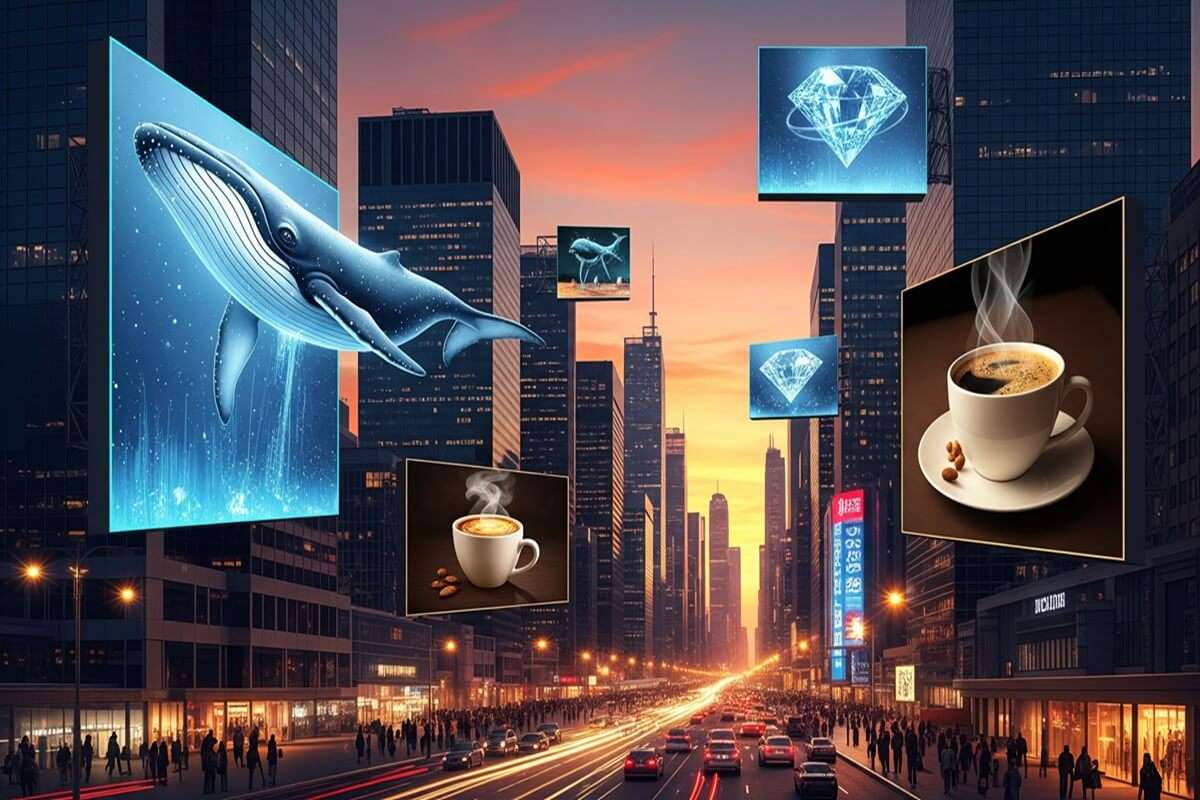
How do 3d billboards work? Let’s dive into the technical terms that could stump your understanding of what these advanced displays are. To understand the seemingly complex concept that makes these stunning visuals possible, you need to understand the following terms.
Binocular Parallax
Also known as horizontal disparity or just binocular, this occurs when the distance between each eye is around 6.4 cm. How one eye sees the object is different from how the other eye sees the same object and in the same position. This disparity is what binocular parallax is all about.
Binocular parallax is an important concept you need to understand in answering the question, “How do 3D billboards work?” This concept is used by the 3D technology, taking into account what the left eye and the right eye see. When combining both of these images (from different eyes), you create a more realistic look of the object.
Forced Perspective
Another principle that’s been applied by the 3D technology is the forced perspective. It is necessary to discuss this fundamental to answer how do 3D billboards work.
This refers to the idea that the audience sees what the content creators want them to see. Literally a forced perspective, the principle believes that 3D accessories, such as 3D glasses and VR gear, won’t be necessary when you apply this idea.
Naked-eye 3D Technology

This is one of the most popular terms that a lot of people know about. It is the advanced technology used to produce the 3D content, which is supported by illusions and visual effects. Even if it’s a 2D image, you see 3D without using any accessories, such as VR gear or 3D glasses.
Perspective
This term refers to the point of view that is considered in the 3D technology in order to produce a realistic illusion. It takes into account both the depth and distance in order for the object to have a solid and realistic image. While it is a 2D image, these factors make it appear more tangible than it actually is.
Shading
How do 3D billboards work when you consider the role that shading plays? Shading refers to the dark areas that an object casts on the ground or any other surface when it blocks the light. This adds to the authenticity of the image, making the content feel real and something you can touch. It is an important element in 3D technology.
Stereopsis
 Integral Imaging 3D Display
Stereopsis refers to the visual information connected to the perception of depth in humans. Because two different images are combined from the left eye and the right eye, it makes it possible for the image to look more in-depth. Stereopsis works its magic by creating a solid illusion combining the images.
Texture Gradients
This term points towards the texture on the surface of the object. The relative distance between the viewer and the object is considered influential in the quality of this surface. In texture gradients, farther objects look more compressed and faded (and vice versa).
Visual Cortex
This pertains to the part of the brain that takes care of combining the different images seen by the left eye and the right eye. This is the part of the brain where Stereopsis happens, and so make it possible for the 3D billboards to work successfully.
How Do 3D Billboards Work: The Process
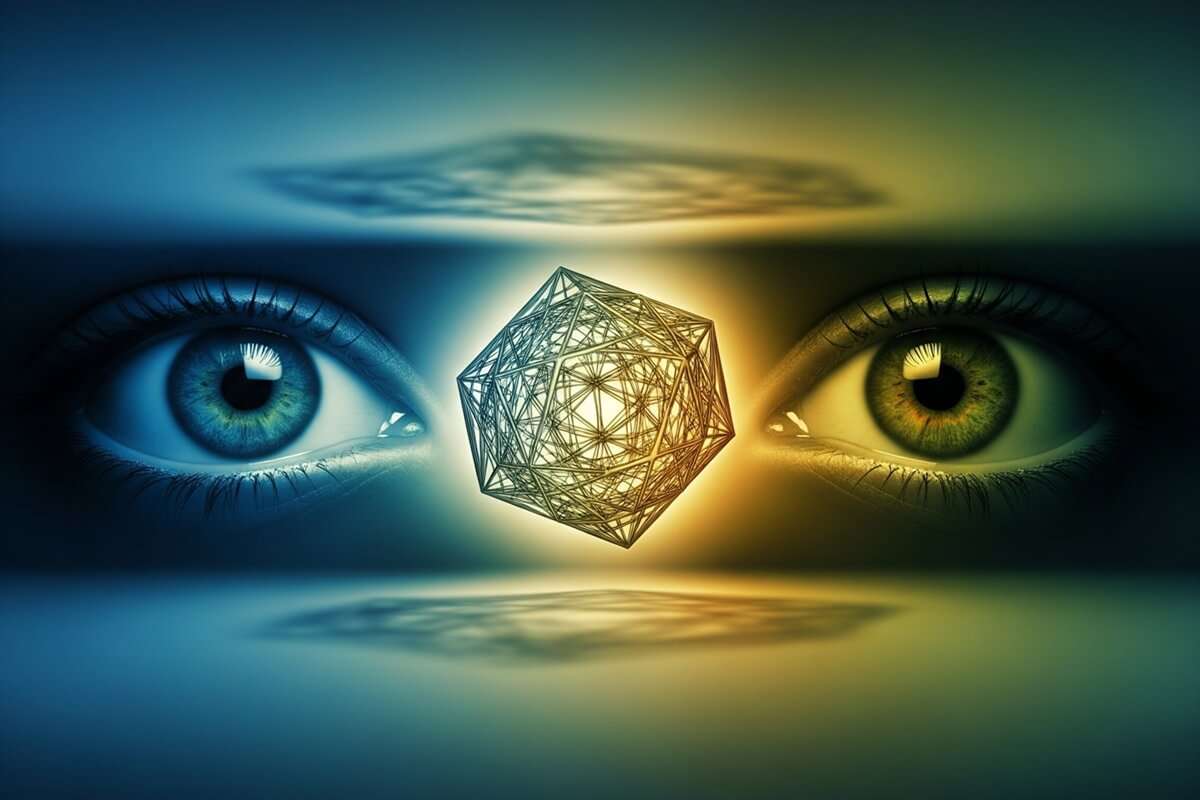 Image Credits: Gemini AI.
After learning about the different terms and concepts that come into play with 3D technology, it’s time to actually discuss the process. How do 3D billboards work, and why are they so realistic?
In answering these questions, it’s necessary to go into it one point at a time so that it would not be overwhelming. First, discuss how the human brain processes images. Humans process what they see with their eyes, with the data flowing to their brains. This is only the start. From there, the following processes and concepts.
Visual Processing and Optimization
When the human eyes see the object, the brain will process all the data that was transmitted. When the brain receives the data, three elements will function, which are the following:
- Binocular Parallax
- Depth Perception
- Stereopsis
The visual cortex and the entire visual system process will then create a more solidified. The content is also optimized with visual effects, including adjustments in shading and depth to produce a realistic three-dimensional image.
High-Definition Projection Technology
How do 3D billboards work? You need a powerful spatial projection technology. For the 3D billboard to work, it needs to be powered by a high-definition projection technology. While the brain does have the work, you need a projection device that can add the necessary effects to support the 3D image processing.
How Do 3D Billboards Work: Elements Supporting the Process
 Image Credits: Gemini AI.
Besides the two major processes involved in 3D billboards, there are also added elements that elevate the viewing experience of the audience. This includes the following:
Composite Effect
This refers to when the human eyes are tricked into believing that they’re looking at and what’s being projected is real through the use of two different images of the same object. This effect occurs in the visual processing step.
Environmental Integration

Another way to improve the three-dimensional effect and add to the layer of its realism is by integrating the content with the environment. You can use several 3D billboards, like the one in Japan. In Tokyo’s Shibuya Crossing, a large cat is seen leaping from one 3D billboard to a different one across the building. Using the content to blend with the environment makes it look more natural and real.
Audience Interaction
While the content is immersive enough on its own, audience interaction takes it up a notch. When the audience and viewers are interacting with the 3D content, it only makes it more believable.
To engage the audience, add an interactive element to the mix. A motion sensing technology always does wonders in engaging the audience and getting a response from the people.
Conclusion
How do 3D billboards work? It is a collaborative effort between advanced technology and the wonder of the human brain. Understanding the concept involved in this technology involves an in-depth discussion of all the processes, effects, and concepts used just to make it possible.
To simplify the process, the combination of two different images of the same object (as seen by the eye and the right eye separately) makes it possible to produce three-dimensional content without the use of 3D glasses and VR gear. This is how those amazing masterpieces in the skylines are created. You can also choose it for your next project if you’re interested.

