


In the heart of Tokyo’s Shinjuku district is a digital wonder that has mesmerized millions: the Shinjuku 3D Billboard. This giant screen combines the latest technology with amazing visuals to change the way ads talk to people. At the heart of this billboard is the beloved Shinjuku 3D Billboard Cat, a digital cat that has become an international symbol of cool and cuteness.
The Shinjuku 3D Billboard is not just a technical marvel; it’s a perfect blend of cultural resonance and technical wizardry. With naked eye 3D technology, the billboard puts you right inside the visuals. This post will cover the location, hours, cultural impact, tech behind and more of the Shinjuku 3D Billboard and what it means for the future of advertising.
Shinjuku 3D Billboard: An Icon of Innovation
The Shinjuku 3D Billboard: What is it?
One of Tokyo’s busiest districts, the Cross Shinjuku Vision building, is home to the curved LED screen known as the Shinjuku 3D Billboard. It’s 154.7 square meters big and shows ultra high definition visuals that jump out of the screen. Unlike traditional billboards, this one uses naked eye 3D technology so you don’t need special glasses.
Its location in Shinjuku is no accident. Shinjuku Station is a major transit hub that sees around 190,000 people a day, so the billboard is visible to a huge audience. Placed among skyscrapers, department stores and entertainment venues, it’s become a part of the urban landscape and a symbol of modern Tokyo. The billboard blends seamlessly into the city streets and is both an ad and an attraction.
A New Era of Billboards
Billboards have been around since the 19th century, evolving from static hand painted signs to dynamic digital displays. The advent of digital out of home (DOOH) advertising was a big change, allowing for videos, animations and interactive content to grab attention. The Shinjuku 3D Billboard is the ultimate evolution. Its ability to create realistic visuals and interact with people in new ways makes it a symbol of what’s possible in modern advertising.
Shinjuku 3D Billboard Location and Hours
Where is the Shinjuku 3D Billboard?
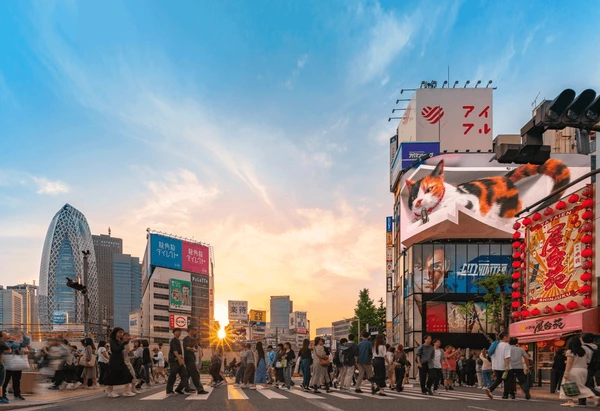
The Shinjuku 3D Billboard is located on the Cross Shinjuku Vision building at the East Exit of Shinjuku Station. This is the busiest area in Tokyo. The area itself is a hot spot of commercial, retail and entertainment spaces that attract locals and tourists.
Shinjuku Station is a major transportation hub with multiple rail lines and 190,000 people passing through daily. For visitors, the East Exit of the station leads directly to the plaza where the billboard is situated. This prime location allows the billboard to capture the flow of foot traffic and create a natural engagement with its visuals.
When to Visit?
The Shinjuku 3D Billboard is open daily from 7:00 AM to 1:00 AM. The content changes throughout the day so you get a different experience at different times.
- Morning (7:00 AM – 12:00 PM): In the morning, the 3D cat wakes up, stretches and says hello to the day with curious eyes. This relaxing animation matches the morning rush hour.
- Afternoon (12:00 PM – 6:00 PM): As the day goes on, the cat becomes more active, interacting with people with playful meows, tail wags and mischievous actions. This is the busiest time of day so it’s the best time for ads to grab attention.
- Evening (6:00 PM – 1:00 AM): In the evening, the animation is more calm, the cat curls up to sleep under the Tokyo lights. This content is relaxing and wonderful, and locals and tourists will stop and watch.
The 3D Cat: A Moggie That Grabs Hearts
The Important Role of the Shinjuku 3D Billboard Cat
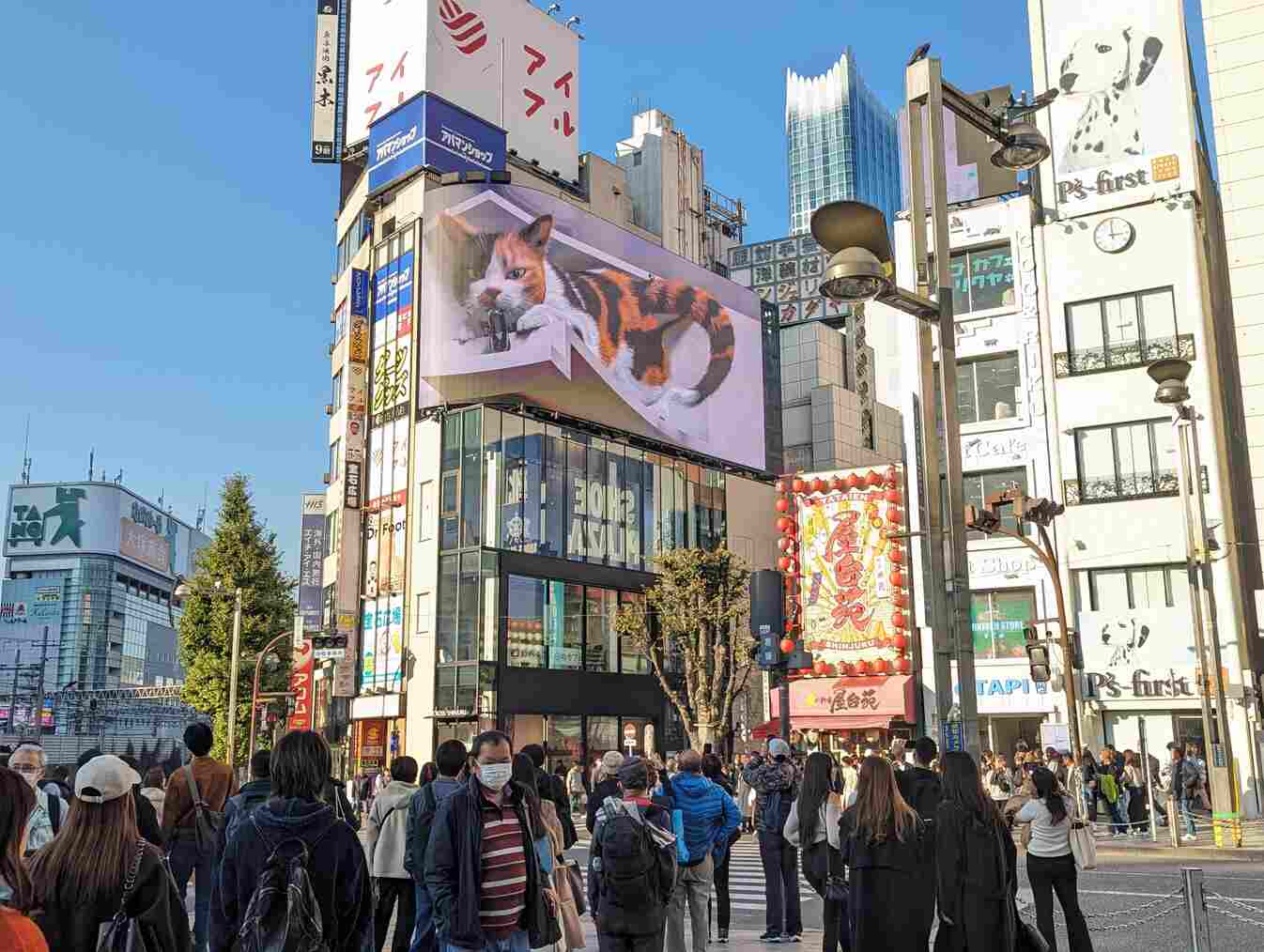
At the center of the Shinjuku 3D Billboard is its star resident: the Shinjuku 3D Billboard Cat. This calico cat has gone global thanks to its realistic animations and adorable personality. Designed to mimic real cat behavior, the cat yawns, meows, stretches and looks at the people below. These realistic movements create a connection with the viewer and makes the display feel less like an ad and more like an experience.
The cat’s actions change throughout the day so repeat visitors will always see something new. This keeps the interest and encourages social media sharing to amplify the billboard’s reach. The cat is affectionately called the “Shinjuku East Exit Cat” because of its location.
Cultural Aspect
Cats are very popular in Japanese culture, they symbolize good luck, prosperity and protection. The maneki-neko or beckoning cat is a common sight in Japanese shops and homes and is believed to bring fortune to its owner. By featuring a cat, the Shinjuku 3D Billboard taps into these cultural values and creates an emotional connection with the audience.
This is amplified by Japan’s kawaii culture which celebrates everything cute and adorable. The 3D cat is the embodiment of this culture, it’s not just an ad but a character in itself. Its popularity goes beyond cultural boundaries, international visitors come to Shinjuku just to see this digital wonder.
The Technology Behind the Shinjuku 3D Billboard
How Naked-Eye 3D Works?
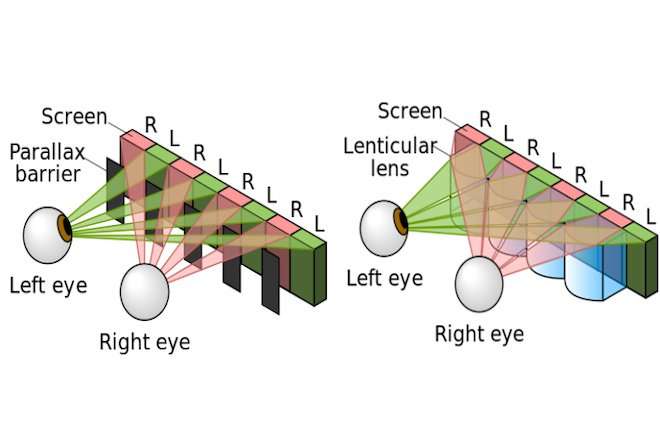
The Shinjuku 3D Billboard uses naked-eye 3D technology which creates a 3D effect without the need for special glasses. This is achieved through a combination of LED screens, optical illusions and engineering.
- Stereoscopic Imaging: The screen shows slightly different images to each eye, creating the illusion of depth. This tricks the brain into thinking it’s a 3D object.
- Curved LED Screen: The curved design of the billboard amplifies the depth effect so visuals look lifelike from any angle.
- High Refresh Rates: The LED panels have a refresh rate of 3840 Hz or higher so the animations are smooth and no flicker.
- Advanced Rendering: Animators use complex software to create content that matches the screen’s capabilities.
The Making of the Cat
The Shinjuku 3D Billboard Cat went through multiple stages of design and animation:
- Concept: Designers imagined a character that would appeal to both locals and international visitors.
- 3D Modeling: The cat was digitally modeled with great attention to detail, from the texture of its fur to the sparkle in its eyes.
- Motion Capture: Real cat movements were studied and replicated.
- Rendering and Testing: The animations were rendered in high res and tested extensively to look good on the curved screen
Here’s the updated blog with a section on why curved LED screens are important in 3D advertising to meet the word count.
Curved LED Screens in 3D Advertising
Why Curved Screens Are Important

Curved LED screens are key to 3D advertising. Flat screens distort perspective and limit the viewing experience, curved screens are designed to amplify the realism and depth of 3D visuals. Here’s why:
- Deeper Depth: A curved screen matches the natural curvature of the human eye so it’s a more immersive experience. This design minimizes distortion at the edges and makes 3D objects look lifelike from any angle. For example, on the Shinjuku 3D Billboard, the curve makes the calico cat look like it’s jumping out of the screen, it’s a great effect.
- Wider Viewing Angles: Flat screens have limited viewing angles, the audience is restricted to a specific spot in front of the screen. Curved LED screens expand the viewing range so people standing at different positions can see the same high quality 3D effect. This is especially important in high traffic areas like Shinjuku where people approach the billboard from all directions.
- Less Distortion and Glare: Curved LED screens reduce distortion caused by flat screens, especially at the edges. They also reduce glare from external light sources like sunlight or streetlights so the display looks more vibrant and clear. So the 3D effect remains convincing and consistent regardless of the environment.
- More Immersive: By curving inward these screens create a sense of depth that pulls you into the visual experience. That’s why curved screens are used in immersive environments like cinemas and virtual reality displays. In the case of the Shinjuku 3D Billboard, the curve amplifies the lifelike quality of the animations so the cat feels almost real.
Beyond Billboards
The benefits of curved LED screens go beyond advertising. They’re being used in:
- Retail Displays: To create immersive shopping experiences.
- Entertainment Venues: For concerts, sports arenas and theaters where an immersive visual experience increases audience engagement.
- Virtual Reality (VR): As part of VR setups that need accurate depth representation.
In 3D advertising the curved screen is not just a design choice – it’s a technical requirement to make the visuals work.
Shinjuku 3D Billboard Advertising
Location is Key
The Shinjuku 3D Billboard’s location at Shinjuku Station shows how important it is to choose high traffic areas for maximum visibility. With thousands of people passing by every day the billboard’s reach is unmatched. This location ensures the content grabs attention and leaves a lasting impression.
Balancing Entertainment and Marketing
One of the billboard’s greatest strengths is that it entertains while subtly promoting brands. The 3D cat is a crowd puller, it grabs attention with its charm and then seamlessly integrates the ads. This is the power of great content to create positive associations with a brand.
Using Social Media to Your Advantage
The viral success of the Shinjuku 3D Billboard Cat shows how social media is part of modern advertising. The videos of the cat have been shared millions of times and the billboard’s reach goes far beyond Tokyo. This organic promotion multiplies the effect of the display and makes it global.
Other Famous Animal 3D Billboard Ads
The Shinjuku 3D Billboard Cat is not the only animal 3D billboard to grab attention. Around the world similar installations have used animals to create memorable visuals:
Shibuya 3D Dog Billboard (Tokyo, Japan)
Located in Shibuya, Tokyo this billboard features a giant 3D Akita dog. The animation shows the dog jumping across the screen, chasing a frisbee and barking. It’s a local and tourist favorite.
Shibuya 3D Panda Billboard (Tokyo, Japan)
This one features a playful panda. Located in Harajuku, a district famous for its youth culture, the animal animations blend in perfectly with the area’s vibrant atmosphere.
Lion and Bull Billboard (Chengdu, China)
In Chengdu a 3D billboard features a roaring lion and charging bull in high detail. The lifelike movements of the animals against a dynamic background show the possibilities of 3D advertising to create dramatic visuals.
These examples show how animal 3D billboards are universal and how they connect with people through emotion and wonder.
3D Billboard Economics
Local Economy
The Shinjuku 3D Billboard doesn’t just grab attention it drives economic activity in the area. Located near Shinjuku Station it attracts thousands of extra visitors daily. These visitors whether stopping to see the 3D cat or taking content for social media often spend time in nearby shops, restaurants and entertainment venues. This foot traffic benefits local businesses making the billboard an asset to the community.
Ad Slots Revenue
3D billboards like the Shinjuku one generate revenue through ad slots. Companies are willing to pay more for the high engagement and visibility these displays offer. A single ad slot on the Shinjuku 3D Billboard during peak hours can command a high price as it reaches local and global audience.
Cost Effective Advertising
While the initial cost of building a 3D billboard is high it’s cost effective in the long run. With an ROI approach brands can use eye catching visuals to increase brand recall and sales conversions and it’s worth the investment.
3D Billboards vs Traditional Advertising
Better Engagement
Unlike 2D billboards 3D displays like the Shinjuku 3D Billboard engage the viewer by creating wonder. The 3D visual and lifelike animation grabs attention more effectively so the message is not just seen but remembered.
Emotional Connection
3D billboards tell stories. The Shinjuku 3D Cat for example creates an emotional connection with the audience. Traditional billboards are good for straight forward messaging but lack the immersive experience.
Flexibility and Creativity
3D billboards offer unlimited creative freedom, advertisers can experiment with dynamic content. They can show lifelike animals to dramatic visual effects. Compared to static billboards they can’t adapt or capture the audience in the same way.
3D Billboard Challenges
Environmental Factors
As outdoor installations 3D billboards are exposed to harsh weather conditions like rain, extreme heat and snow. To maintain their functionality they need high quality materials, robust design and regular inspection to prevent damage from environmental exposure.
Technical Aspects
3D billboards rely on advanced hardware and software systems, high-resolution LED screens, powerful processors and custom animation software. Any failure in these components can disrupt the display and need to be fixed by skilled technicians immediately.
Energy Consumption
Large 3D displays consume a lot of energy especially during peak hours. Advertisers and manufacturers need to balance energy efficiency with performance to minimize cost and environmental impact.
How Social Media makes 3D Billboard go Viral
Viral Moments
The Shinjuku 3D Billboard Cat has gone global thanks to videos shared on TikTok, Instagram and Twitter. These videos are recorded by tourists and commuters and shows the lifelike animation of the cat and makes it go viral. This organic sharing extends the reach of the display beyond Shinjuku and makes it a global topic.
Brand Messaging Amplification
Social media platforms are amplifiers of 3D billboard campaigns. When viewers post content featuring the Shinjuku 3D Billboard they are promoting the brands associated with it. This user generated content increases brand visibility without extra advertising cost.
Tourism
The virality of the Shinjuku 3D Cat has turned the billboard into a tourist attraction. Visitors from around the world include it in their itinerary and increases the reach and impact to the local economy.
Future Innovations
As technology advances 3D billboards will get even more advanced. Here are some of the emerging trends:
- Augmented Reality (AR): Combining AR with 3D displays to create interactive experience.
- Artificial Intelligence (AI): Using AI to customize content to specific audience in real-time.
- Eco-Friendly Design: Energy efficient screens to reduce carbon footprint
Conclusion
The Shinjuku 3D Billboard is a proof of what technology, art and culture can do. From the lifelike 3D cat to its location in the heart of Tokyo’s Shinjuku district, it sets a new standard for urban advertising. It combines engineering with cultural relevance to entertain, inspire and capture the audience.
Whether you’re a marketer looking for new ideas or a tourist exploring Tokyo, the Shinjuku 3D Billboard is a window to the future of advertising. See it for yourself and experience 3D storytelling in one of the world’s most vibrant city.

