


Water possesses properties that both motivate actions and cause damage to technological devices. LED displays shift into “waterfall displays” when used correctly because of water-based applications that attract viewers. Water causes permanent damage to electronic devices through its interaction with the elements controlling electronic systems, which ends in irreparable display screen failure. The document evaluates the destructive effects that water has on LED display systems. The article reviews how water affects LED screens through an analysis of typical harm sources followed by handling each stage, including protective approaches and indications of electronic breakdown.
Understanding LED Displays and Water Interaction

The wide technological utilization of LED displays happens because of their three fundamental benefits, which include substantial brightness output together with power conservation and operational versatility. These devices serve multiple advertising functions while power sports and artistic demonstrations feature water-related screen properties. Water-related failure occurs in these advanced devices, although they demonstrate technological superiority because their electronic systems do not tolerate moisture exposure.
LED Display Basics
The LED (Light Emitting Diode) system comprises interconnected parts that function as follows:
- The main function of LED Modules consists of producing visible illumination by transmitting electrical voltage.
- The system unit contains circuit boards that supply electrical power for display-triggering operations.
- The distribution of power and data to all display elements depends on wiring and connectors.
- Protective Casings: Enclosures that, ideally, shield sensitive parts from environmental hazards.
Different components require design parameters that determine the accepted temperature and moisture values. Water exposure affects electronic system components because it breaks their structure when rain hits, when humidity creates condensation, or when liquid spills occur.
How Water Affects LED Displays
LED displays experience multiple destructive outcomes when they come into contact with water.
- Water generates corrosion by contacting the metallic components existing within connectors as well as circuit traces. Good operating time reduces the lifespan of displayed components until the system starts to experience intermittent breakdowns before reaching final failure.
- The extremely effective electrical conduciveness of water leads to short circuits. When water passes through an LED display, it causes dangerous short circuits because it provides uncontrolled paths for electrical current flow. The occurrence produces unexpected equipment failures along with permanent equipment deterioration.
- Some mineral deposits, together with surface residue, remain on materials after water completely evaporates. The quality of display screens decreases to a substantial level when electrical contacts get blocked by materials that damage their surface areas.
- Thermal stress develops from improper water management of displays because display hardware breaks down from abrupt temperature variations.
The Dual Nature of Water: Creative Inspiration vs. Destructive Force
This statement demonstrates how water merges its illuminating qualities with destruction and powerful healing abilities. The implementation of water in LED display engineering creates mesmerizing visual effects in waterfall displays, which attract viewers’ attention. LED screens operate normally after controlled water contact, but uncontrolled exposure creates ruins that shut down display functionality following water damage.
The warning from this message establishes protective measures as essential for people who use water creatively to protect their technology from damage.
Common Causes of LED Display Water Damage
Knowledge about the usual causes of water damage in LED displays lets us establish preventive measures while also establishing effective troubleshooting methods. The operational lifespan and durability of display systems suffer negative consequences when faced with different types of water-related issues.
Environmental Factors
Weather Conditions:

Extremely varied weather conditions affect outside-installed LED display systems. Narrowed display systems become damaged when humidity combines with rain and snow to create water intrusion. Elements made to protect screens get permanently damaged when they come into contact with water during regular dew or rainfall conditions.
Flooding:
LED displays run the highest risk of total flooding due to both natural disasters and plumbing system errors. Large quantities of floodwater expedite the process, which results in the permanent destruction of display systems. The entrance of floodwaters with foreign materials damages internal parts by creating more electrical problems, which furthers corrosion damage.
Condensation:
The swift temperature fluctuations during the day cause LED video displays to generate condensation. Surface condensation happens because outdoor spaces experience temperature variations between day temperatures and nighttime temperatures, resulting in display device damage.
Design & Installation Flaws
Inadequate Waterproofing:

LED display technology needs waterproof systems to thrive efficiently in open-air environments together with humid regions. Water infiltration of LED displays occurs due to insufficient cable and connector and display casing sealing from the manufacturer. The unchecked IP rating performance on these products enables water, together with dust, to penetrate their systems.
Faulty Installation:
LED displays remain vulnerable to water damage even with their perfect design structure because of installation flaws. All waterproofing elements need to operate properly, and the display should position itself to avoid water contact.
Compromised Materials:
Right material selection emerges as the key fundamental requirement. Water exposure leads to fast damage of materials when these materials lack moisture-blocking properties. The union between low-quality solder and cost-saving connectors creates conditions that increase the probability of corrosion, which reduces the operational lifespan of the screen.
Accidental Indoor Exposure
Spills and Leaks:

All LED screens situated indoors face danger when exposed to water damage independently of their position. Water damage triggered by beverage spills, leaky air conditioners, and cleaning-related water exposure leads to heavy electronic system failure. The small contact between water and a display will create water damage even when an incident seems non-hazardous.
Cleaning Mishaps:
Slipping to the wrong cleaning techniques or excessive use of water reduces the quality of LED display screens. The proper way to clean LED displays demands precise following of manufacturer specifications together with appropriate cleaning procedures designed to stop water damage occurrences.
Contributing Technical Factors
Component Quality:
The level to which LEDs resist water damage depends mainly on the quality standards of the individual components. Advanced protective materials and water-resistant components guard the display against failure caused by water and destruction. The reduced spending on budget displays appears to produce decreased material durability that leads to greater threats of harm.
Aging and Wear:
The natural aging of coats and seals leads to the deterioration of protection features found in well-built displays. Continuous use followed by water contact causes a deterioration of protective qualities in the display. Older technology systems that experience water damage mostly experience permanent disability due to the continuous accumulation of such vulnerabilities.
Recognizing the Symptoms of Water Damage
To prevent lasting complications, it is vital to detect water damage in LED displays as soon as possible. Symptom detection in an early stage allows immediate response actions that decrease property damage spread and eliminate costly restoration costs.
Visual and Operational Indicators
Water damage becomes evident through the combination of a display flickering with reduced brightness. The instability in power delivery from electronics occurs due to water damage because water interrupts electrical connections.
Discoloration:
Water exposure turns the LED-lit panels into discolored material. The affected LED patches or streaks produce incorrect light levels and colors when they emit light. The screen becomes unbalanced, gray, and faint because of major water damage.
Complete Failure to Power On:
A complete lack of display operation represents the most serious sign of damage to an LED display. The internal electrical circuitry will fail through short-circuit damage while enduring severe corrosion of its components. Take prompt steps when water damage results in the failure of a device to initialize or work properly.
Technical and Electrical Symptoms
Short Circuits:
A device’s electrical connections, which form due to water conductivity, cause accidental brief circuits in electronic gear. An electrical connection between components causes unexpected shutdowns, which create unstable power operations and lead to lasting damage to sensitive equipment parts.
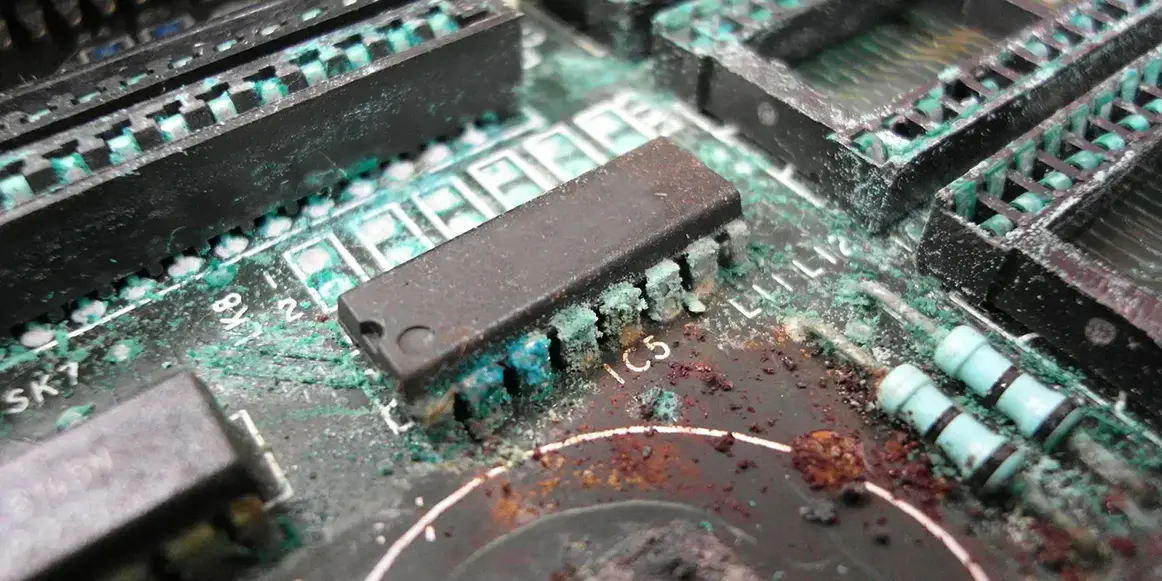
Corrosion:An intensive visual examination reveals the evidence of corrosion, which appears on soldered connections and printed circuit boards as well as on electronic device connections. The corrosion process destroys electric connection paths as it damages connection materials, which results in additional possible equipment damage.
Moisture Residue:
The system retains both mineral deposits and water remnants even after complete drying. The remaining water residue forms physical obstacles that hinder connectors from functioning adequately even though the electronics show signs of recovering from water exposure. A magnifier should be used to identify any film or crystal deposits inside the system components.
Long-Term Impact on Performance
LED display operation will sustain permanent damage when it encounters any quantity of water contact.
- Degraded Image Quality: LED display performance will gradually decline with any level of water contact during operation. Initial uniform illumination of the screen will fade into visible areas that lack consistent brightness and color contrast.
- Increased Maintenance Costs: style=”font-weight: 400;”> Water damage to LED displays will force regularly scheduled maintenance and additional repairs when this situation occurs repeatedly or persists for extended periods </span<>. Prompt attention to early water damage indications enables the prevention of cascading problems that would lead to expensive later remediation.
- Reduced Lifespan: Water damage leads to shortening the overall operational period which LED displays can function. The lifetime of affected components shortens because exposure to moisture accelerates their failure process; therefore, operators need to replace these components at a higher rate.
You can stop further damage by noticing these symptoms, which allow you to begin early remedy procedures.
Immediate Actions When Facing LED Display Water Damage
Water damage requires immediate attention because postponing actions enables additional damage to take place. A step-by-step method exists for handling LED display water damage with safety and effective results.
Prioritizing Safety
Power Down Immediately:
A rapid execution of power-down procedures must be the initial safety protocol when dealing with LED display water accidents. Operating a water-damaged display creates a risk of additional electrical shorts that can cause fires together with potential harm to personnel. Turn off the display unit from its power supply to avoid electrical discharges.
Assess the Environment:
A thorough check of the surrounding environment must take place before starting repairs or drying procedures because safety matters. Wet conditions require you to postpone all work because you need to prevent other accidents from happening or risk additional water placement. Waiting is essential until the flooding situation becomes safe so that you can proceed.
Initial Drying and Troubleshooting Steps
Drying the Display:
After disconnecting the power supply, the following step involves display drying. Consider the following methods:
- Air Drying: Set the display in a dry, ventilated space to enable it to dry naturally on its own. Air drying stands as the most secure option because it prevents adding heat that might harm the display’s components in any way.
- Desiccants: Using silica gel packs provides a controlled method to dry electronic items. The display’s enclosure benefits from using desiccants to pull out remaining moisture. Place the desiccants near the damage without causing any harm to the components.
- Low Heat Caution: The cool setting on a hairdryer serves as a recommended low-heat method among technicians for device drying purposes. The application of high heat has two dangerous consequences: it harms delicate parts in the system and makes water penetrate deeper into circuits.
Visual Inspection:
Check the LED display visually after the drying process completes. After visual drying, you should analyze for traces of water that have not evaporated as well as detect any corrosion or discoloration. Visible damage detection should lead to documentation of its specific locations because this documentation could help professionals with repair strategies.
When to Seek Professional Help
Extent of Damage:
Professional repair service becomes necessary when you detect major water intrusion evidence, which includes extensive corrosion spreading across the display as well as systematic short circuits or basic system failures. Specialized LED display technicians use their tools and knowledge to handle the dismantling and reparations of water-affected display systems.
Warranty Considerations:
Test your LED display’s warranty status since it might affect your decision to perform complex DIY repairs. Warranties protect against accidental water damage when particular protections apply. A warranty can become void because of unauthorized device repairs, so thoroughly review the policy terms before beginning any repair work.
Cost-Benefit Analysis:
Making a new display purchase should be considered instead of extensive repairs when the repair fees draw near the new display price alongside factors of display age and future reliability problems. Definite assessment by experts becomes necessary to decide between repair or replacement when dealing with serious display water damage.
Water damage repair success becomes more likely after taking rapid and deliberate steps to detect damage.
Repairing LED Display Water Damage
The process of fixing water-damaged LED displays proves difficult because it demands step-by-step procedures. Whether you handle the task or hire professionals, you need to know the repair steps to reach a favorable result.
Step-by-Step Troubleshooting Process
- Disassembly: The first step requires display disassembly according to manufacturer specifications. Begin by taking off all accessible parts as well as panels to get to the internal equipment.
- Detailed Inspection: Each component needs thorough checking during the examination process, which begins after display disassembly. Look for:
- Corrosion: Evaluate each connector, circuit board, and wire for corrosive residue and mineral deposits since damage signs appear through these marks.
- Moisture Residue: Testing must occur for every remnant of moisture and residue material before deciding their impact on the display functionality.
- Damaged Components: Inspection of components requires checking for both visual defects appearing as discoloration together with physical appearance flaws.
- Cleaning: Light cases of corrosion or residue need cleaning of affected areas through soft brush application of isopropyl alcohol. Distinct techniques must be employed to eliminate accumulated materials because these approaches are essential for hardware maintenance.
- Drying and Reassembly: Drying and reassembly need extended attention because drying must take place before starting reassembly work. Assembling the display unit should begin solely after total moisture evaporation together with appropriate replacement of all connectors and seals.
- Testing: A user must complete a critical test before starting device operation through the display’s first screen. A thorough check should be made for any abnormal display behavior or operational problems that might appear after turning on the device to verify water damage persistence.
DIY Repair vs. Professional Service
DIY Repair Considerations:
- Having the right tools and an unimportant part damage leads to self-repair being an affordable solution.
- To undertake a DIY repair project, one must fully understand electronic parts and possess advanced control abilities for component use. People new to such work usually generate additional problems that lead to system damage.
- The time needed for self-repair stretches long because it requires detecting hidden faults in addition to fixing several system components through a single procedure.
Professional Service Considerations:
- Veteran technicians with approved tools and sufficient practical experience are needed to handle diagnostics and repairs of water-damaged LED displays. Wholesalers acquire specialized training that enables them to recognize important problems that common technicians often overlook.
- Protection for consumers comes through professional reputation because qualified professionals establish guarantees that avoid further display expenses.
- The cost of professional display maintenance may be high at first, but customers gain maximum benefit when skilled technicians solve problems correctly to increase display lifespan.
Recommended Tools and Materials

- The cleaning agent consisting of 90% or above isopropyl alcohol effectively removes board corrosion and cleans connectors in addition to removing remaining materials.
- The cleaning tools, which combine soft brushes with cotton swabs, excel at achieving effective tasks on delicate display areas without inflicting any damage.
- Display restoration requires water-damage prevention through desiccants that function with either silica-gel packs or water-absorbing alternative items.
- The clean areas can become shielded from additional harm by applying waterproof anti-corrosion sprays and sealants.
- Screwdrivers, along with precision tools, maintain safe operations on fragile electronic components during protective surgery and disassembly.
Efficient restoration of water-damaged LED displays becomes achievable with detailed troubleshooting and correct repair techniques, which reduces the number of operational issues.
Preventative Measures and Best Practices
Advanced Waterproofing Techniques
Protective Coatings and Sealants:
The best defensive method against water damage to essential display areas is through waterproof coating application. These protective layers act as a barrier to keep water away from the display system while still protecting against related moisture problems. You should buy electronic equipment protection products that defend equipment completely but maintain normal display use while operating in water conditions.
IP Ratings and Enclosures:
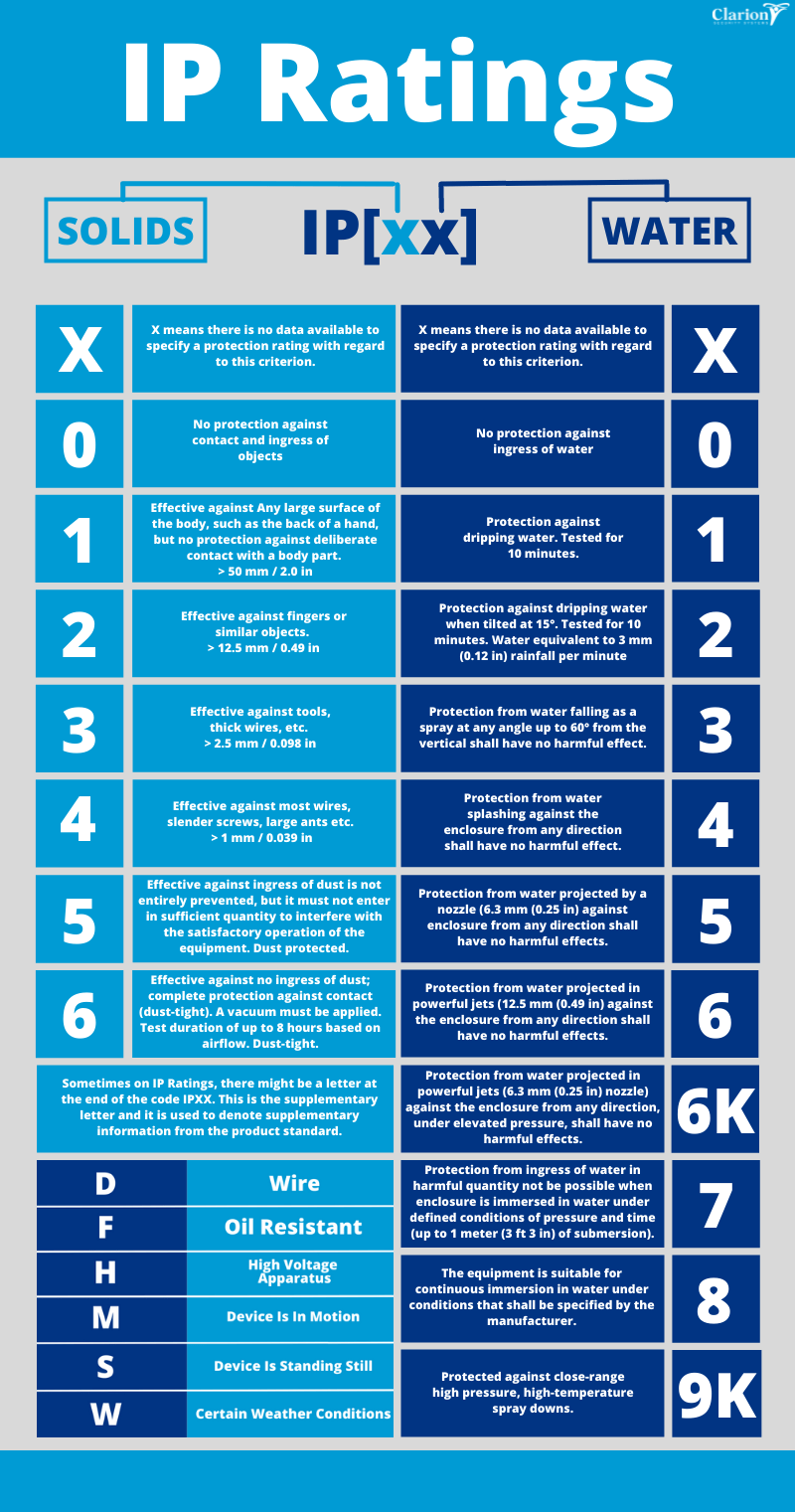
Selecting an LED display should consider its Ingress Protection (IP) ratings as your main decision-making factor. The devices must pass specific tests to prove their capacity for resisting dust and water leaks according to defined ratings. Electronic displays that work outdoors should possess high IP ratings because these markings defend equipment against both water contact and touch-based moisture.
Robust Casing Designs:
Manufacturing companies today prioritize developing stronger protective casings that prevent water contact with electronic parts. Declining maintenance costs accompany the purchase of long-serving technology equipment when businesses select premium enclosure displays.
Proper Installation and Maintenance Protocols
Expert Installation:
All LED display installation professionals need to acquire proper training in waterproofing techniques during their performance to perform the correct installation processes. Technical staff need to use proper device alignment together with reliable connector sealing techniques to stop water damage while they install the system. Attention to detail at the highest level needs to guide every display installation step for water-enclosed spaces as well as the construction of internal waterfall display systems.
Routine Maintenance Checks:
The display waterproofing system functions as designed when cleaning procedures follow the instructions provided by the manufacturer. Slight water exposure must be followed by thorough drying time before operating the display system.
Cleaning Protocols:
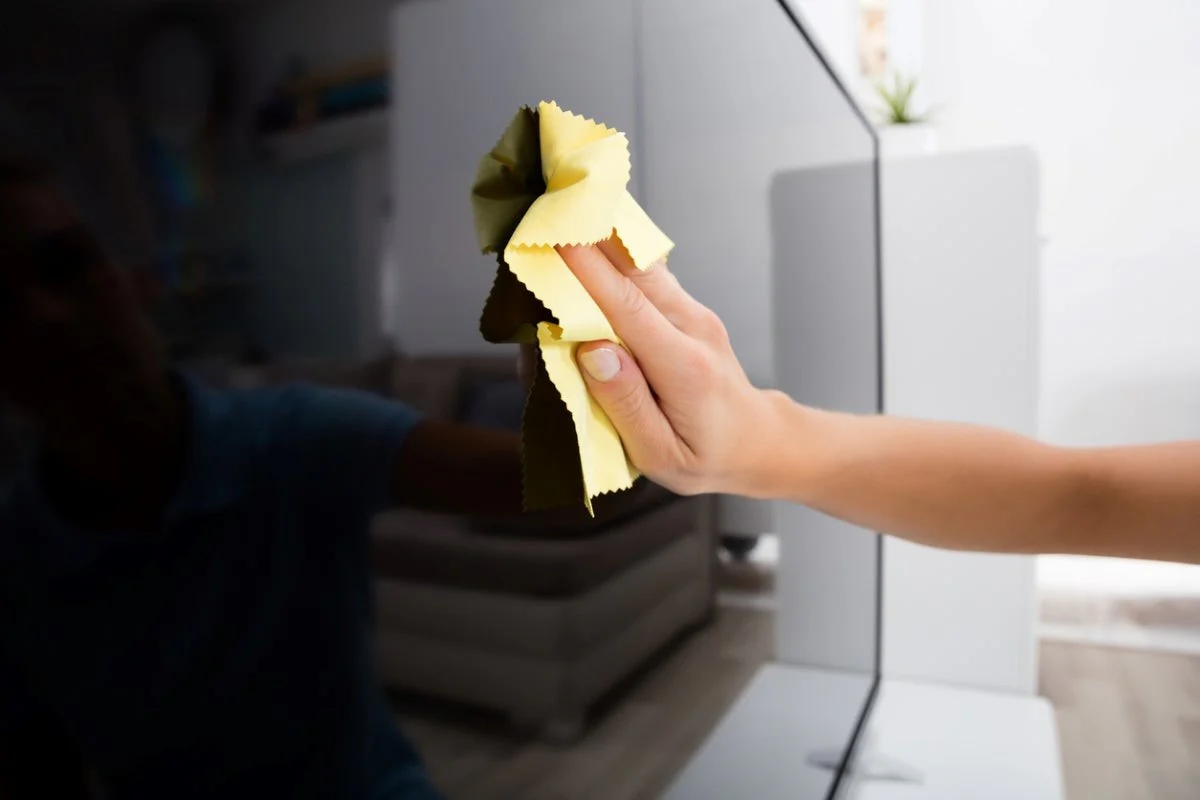 The display remains waterproof after cleaning when all manufacturer guidelines are strictly implemented to retain waterproof capabilities. Wash the display only with minimal water while also observing full dryness before utilizing the display.
Conclusion
This document provides complete knowledge about water-affected LED screens by integrating tested solution approaches along with diagnostic characteristics and technical analysis. Water presents both favorable inspirational properties and dangerous destructive properties due to its double nature. The protective measures for LED displays against water damage begin with strategic preventive measures that account for the ambiguous characteristics of water.

