


If you are planning on getting a jumbotron for your event or venue it is important that you know what makes up the price. Ever wondered what factors determine jumbotron price? Learn more about the budgeting process in this article. No matter if you are organizing a sports event, a concert, or a trade show, knowing more about the jumbotron pricing will definitely put you in the position to make the right decision.
If you look at different aspects such as size, technology, installation, and usage frequency, you can successfully manage your budget. This, in turn, will help you negotiate for better offers and ensure you’re investing in something worthwhile.
Jumbotron Definition
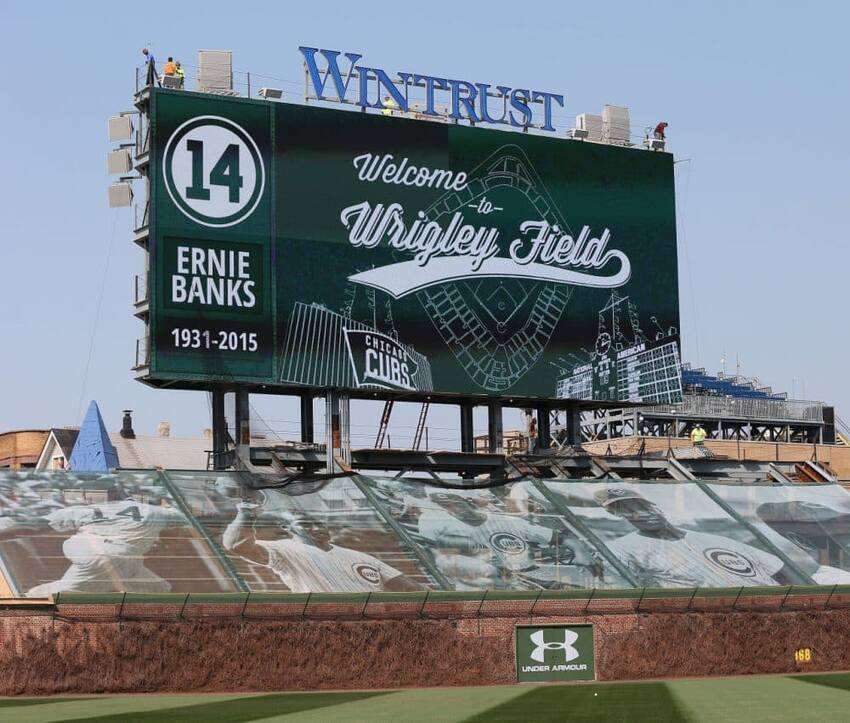
Installed in stadiums, trade exhibitions, concerts, and outdoor events, jumbotrons are basically just giant television display screens. They aim to attract the viewers’ attention and inform them through excellent graphics. Because jumbotrons are dynamic and often oversized, they’re ideal for attracting audiences and guaranteeing that messages reach their target audience.
Besides their aesthetic appeal, jumbotrons also offer flexibility in terms of usage that other display types can’t match. They could be used for different purposes, including, playing advertisements and capturing live feeds among other things, and as a result, make events more engaging.
What Are They Used For?
While jumbotrons are typically found in sports arenas, they are also used in a variety of ways aside from serving as scoreboards:
Sports Events
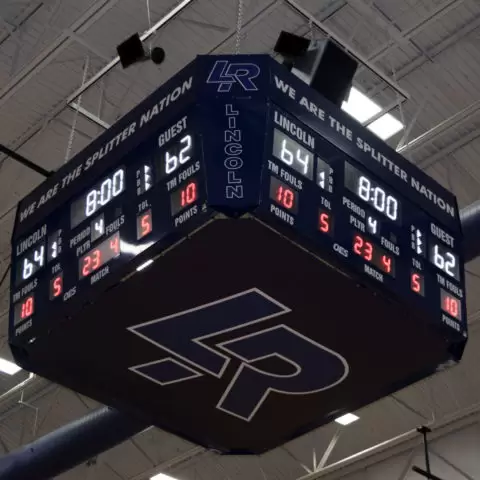
- Live Action Viewing: In sports, Jumbotrons are often placed in stadiums and arenas to accommodate the fans’ needs since they display replays, statistics, players’ scores, and other related information.
- Fan Engagement: They feature crowd shots, fan interaction, and interactive segments during breaks such as the ‘kiss cams’ or trivia about the teams or players.
Concerts & Music Festivals
- Stage View: In concerts and festivals, Jumbotrons are large television screens that help the audience especially those situated at the back to have a full view of the artists. This makes the overall experience more inclusive since it offers the close-up as well as the live shots of the particular performance.
- Visual Effects: They are used to show graphics, videos, or lighting effects in tune with live music, enhancing the shows.
Advertising & Branding

- Sponsorships: Jumbotrons are especially suitable for advertisement broadcasting during events. Advertisers are willing to pay a premium just to put their logos, messages, or products on a big screen as that will enable them to reach a large audience during live events.
- Event Branding: Jumbotrons are used by the event hosts and organizers to advertise themselves, as well as to put across certain messages or upcoming events of the program.
Corporate Events & Trade Shows
- Presentations & Keynotes: In the corporate world, jumbotrons are used in meetings, conventions, training seminars, conferences, or product launches to cast or project speakers/presenters during their presentations or live business pitches, so everybody in the venue can see them.
- Product Launches: They are especially important in product launches, as they provide detailed visuals as well as the specifications and live demos of the new products for both the event attendees and the ones watching the live stream.
Political & Religious Events
- Live Streaming: Large audiences can easily monitor speeches, sermons, or even political addresses by following the live transmission through Jumbotrons.
- Communication of Key Messages: They are used to show slogans, prayers, or important points during rallies, conferences, or spiritual meetings.
eSports and Gaming Events
- Gameplay Broadcasting: During eSports competitions, Jumbotron screens are used to show the live game action, reactions of the players, and results.
- Spectator Experience: They improve audience interaction by replaying the events, statistics, or other important information concerning the game.
Types of Jumbotrons
There are different varieties of Jumbotrons such as LED Jumbotron and LCD Jumbotrons depending on different environmental factors as well as the target audience. Some of the things to consider when choosing a jumbotron include the place of installation, distance of viewers, and brightness requirements. Each type has its own benefits depending on the level of jumbotron requirement, which in turn defines its cost.
For instance, LED jumbotrons are usually more energy-friendly and offer better lighting in outdoor lighting. On the other hand, LCDs might be more appropriate to be used in places where the details of the display are important, such as in indoor settings.
LED Jumbotrons
- Display Technology: LED Jumbotrons are preferred by the majority of companies in the market due to the superiority of the image displayed on them. They can be installed as a video wall or a standard LED display similar to the ones installed in stadiums.
- Applications: More preferably used for large events where visibility is important. They are suitable for use outside since they produce high brightness levels and are energy efficient.
LCD Jumbotrons
- Affordable Alternative: LCD Jumbotrons and other older models like CRTs are cheaper and are good for those who do not want to spend too much on a large screen.
- Best For: Best for indoor use particularly when high-quality images are needed. They are often used in small spaces or where more important is the resolution rather than the brightness.
Fixed Jumbotrons
- Permanent Installations: These are the big outdoor displays normally situated in football pitches, basketball courts, and performance areas; they are fixed structures intended for permanent use.
- Advantages: They are designed to give a stable and high-quality image for those areas where people traffic is very constant and are supposed to be permanent fixtures.
Mobile Jumbotrons

- Portable Solution: Mobile Jumbotrons are transportable display systems intended for temporary use such as in festivals or concerts. These are ideal for occasions that are organized outdoors such as festivals, fairs, and corporate functions.
- Benefits: They can be mounted and disassembled as required and as this is often done for a limited duration they are ideal one-off installations.
Perimeter Jumbotrons
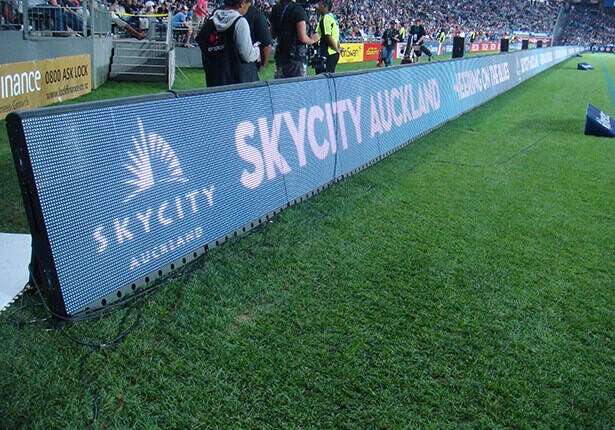
- Advertising Focused: These are typically installed along the sides of a court or field to display advertising, sponsorship messages, or even information.
- Purpose: These are ideal for advertising revenue during sporting or entertainment events where it is possible to display numerous dynamic or even static banner messages.
Jumbotron Price Range
The cost of jumbotrons can vary greatly depending on size, resolution, technology and usage (indoor vs outdoor). Here’s a rough guide:
- Small Jumbotrons (10 to 20 square meters)
- Indoor: $15,000 to $60,000
- Outdoor: $20,000 to $100,000
- Use: Trade shows, retail displays, small events or business promotions.
- Medium Jumbotrons (20 to 50 square meters)
- Indoor: $60,000 to $200,000
- Outdoor: $100,000 to $300,000
- Use: Small stadiums, concert venues, large conferences or advertising.
- Large Jumbotrons (50 to 100 square meters)
- Indoor: $200,000 to $500,000+
- Outdoor: $300,000 to $1 million+
- Use: Arenas, sports stadiums, large concerts or city billboards.
- Extra Large Jumbotrons (100 square meters and above)
- Indoor: $500,000 to $2 million+
- Outdoor: $1 million to $5 million+
- Use: Professional stadiums, large public displays or digital billboards in high traffic areas.
Factors Affecting Jumbotron Price
Size and Resolution
The size of the jumbotron and its resolution are two of the most important factors that dictate its cost. In most cases, the big jumbotrons with the capacity to display high-resolution images cost much more than their counterparts. This is because it takes higher technology and materials to put these displays into the market.
When choosing the option, you should also take into account that the higher resolution is better for the audience and more suitable for large venues, for instance. This trade-off between cost and quality is significant in assuring that the chosen jumbotron fits your requirements.
Technology Used
Another factor that greatly influences the price of the jumbotron is the technology incorporated in the product. Additional features like High Dynamic Range (HDR) or type of LED or LCD will definitely add to the cost. The advanced technologies help to offer better picture quality and efficiency and the parameters that could be compensated with the higher initial costs.
When bargaining with suppliers, ask them about the common or available technologies that may affect your advertisement display. When you understand these different technologies, you can then be able to make the right choice.
Installation and Maintenance
Maintenance and installation costs of the equipment can also contribute to the jumbotron’s price. Installation is normally priced depending on the site, complexity, and size of the jumbotron. An experienced or senior technician may be needed to install these parts properly, and his fee will be an added cost.
In addition, maintenance plays a very important role in the jumbotron’s lifespan and efficiency. Maintenance costs will also be recurrent expenses, which include the frequency of checking, cleaning, and even carrying out minor repair works on the structure. It’s essential to take note of these costs as they will assist you in effectively managing your investment.
Usage Frequency
Another feature that dictates the price of the jumbotron is the usage frequency of the equipment. However, if you plan to use it more often, you might want to consider getting a more robust model with higher performance capability. On the same note, renting could also be cheaper than buying, especially where the events are not very frequent.
As you determine its usage frequency, you can then think through the advantages and disadvantages of purchasing vs. renting and guarantee that it is appropriate for your current situation and budget.
Other Factors Affecting Jumbotron Price Ranges
In looking at the price range of a Jumbotron, there are other considerations over and above the technology and the size. Here are three key considerations:
Competition Level
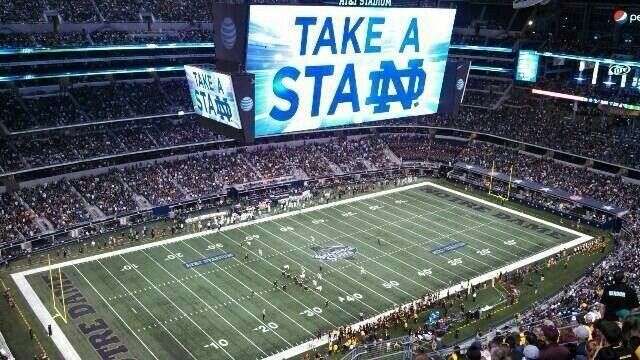
- Market Demand: Sometimes, due to increased competition for advertising and the event display of screens in certain geographic areas or markets, the prices may be slightly higher. This cost may vary depending on the market competition where venues located in major cities are likely to pay a higher price for buying or renting Jumbotrons.
- Seasonality: Major sports seasons, concerts, and festivals, to some extent, are major influences on prices as they increase the demand for Jumbotrons during those seasons.
Customization
- Screen Size and Shape: Screens of different sizes and shapes, or that have special designs or features will be more expensive. For instance, a curved screen or a screen with a non-standard aspect ratio is difficult to manufacture, and this will lead to a higher cost.
- Resolution and Features: Increased definition (4K or even 8K) and extra features like interactivity or 3D capability make the final price even higher. But, the development of custom content management systems as well as the use of sophisticated software for controlling the display could also add to the costs.
- Mounting and Installation: Installments that are complex or in awkward places will cost more than typical installations. Large fixed installations may also need additional support structures, which will also add to the costs.
Brand
- Reputation: Jumbotrons from established brands come at high prices because of their quality and durability.
- Warranty and Support: High-end brands usually offer longer warranties, dedicated customer service, and easier access to spare parts, all of which can significantly affect the total ownership costs. Selecting an established brand may help minimize the likelihood of frequent maintenance or additional expenses related to the product’s performance, but overall, one has to pay a higher price for a branded product.
- Third-Party vs. OEM (Original Equipment Manufacturer): When buying these products, one always has to consider that buying directly from the manufacturer is always a bit more expensive than buying from third parties. However, it is usually more beneficial for a client to purchase products from the original brand since they have better product reliability and usually come with a better service package.
Comparing Jumbotron Prices
When buying jumbotrons, getting multiple quotes from various suppliers will allow you to compare features and prices in the best way possible. Different vendors also have different packages and inclusions that affect the overall price.
When making your comparisons, do not just compare the jumbotron prices but also the services related to the product like installation, warranty, and customer service. This way of assessing vendors will enable you to make the right decision and get the most value from your investment.
Budgeting for a Jumbotron
When designing a budget for your jumbotron you should factor in all the probable expenses such as the cost of acquiring it, putting it up, and the frequent expenses of maintaining it. It is essential to approach the jumbotron as a long-term investment rather than a single acquisition, which can facilitate the proper funding.
Budgeting can be made easier if a structured plan by which to filter jumbotron options according to financial constraints is used. It also enables you to consider other related costs that may occur in the future preventing you from overspending.
Long-Term Value and ROI
Realize that investing in the jumbotron doesn’t only entail a simple payment for the LED screen. You should also see its shelf value and how you will be able to recoup your investment – its Return on Investment (ROI). A strategically positioned jumbotron can be effective in selling tickets, generating more advertisement revenues, and also improving the experience of your audience.
That is why it is important to evaluate how the jumbotron can act as a revenue generator by driving engagement. It is expected to look at issues such as sponsorship opportunities or displays that call for merchandise sales as possible measures for calculating the ROI.
Enhancing Audience Engagement
The primary purpose of investing in a Jumbotron is to boost audience engagement. Displaying real-time updates, entertainment, or promotional content on the screen enhances the audience’s experience, turning them into active participants in the event.
Increased audience participation is proportional to having enjoyable experiences thus increasing attendance to other events and positively enhancing the overall image of your brand.
Brand Visibility and Recognition
Using a jumbotron presents a great opportunity to enhance brand awareness and recognition among clients. Your logo, branding messages, or advertisements can be used to remind consumers and viewers of the kind of brand they are dealing with. It becomes possible to foster a loyal client base and bring more frequent attendees to your events through the application of branding strategies.
Thus, when potential clients recognize your brand, it can lead to more sales and more business collaborations, which in turn underlines the necessity to contemplate the jumbotron’s value for the long term.
Useful Tips on Getting the Best Jumbotron Price
If you’re considering purchasing a Jumbotron, whether for a permanent installation or an event, there are key factors to evaluate to ensure you get the right product that meets your needs and fits within your budget. Here are some essential tips to guide you through the process:
1. Determine the Intended Use
- Outdoor vs. Indoor: Jumbotron can be either indoor or outdoor. Decide on which you will use so that you can select the right one. For example, an outdoor screen requires more brightness, and weather-resistant qualities are more critical than in the case of an indoor screen.
- Permanent or Mobile: Decide whether you want a fixed screen or one that you can move around. Mobile Jumbotrons offer more portability and suit one-time events. Meanwhile, permanent Jumbotrons provide better value for money because you can install them at a fixed location.
- Content Type: Decide whether the screen will primarily display live action, advertisements, high-resolution graphics, or a combination of both, to choose the appropriate screen technology and resolution.
2. Choose the Right Display Technology
- LED vs. LCD:
- LED Jumbotrons are very effective for both indoor and outdoor applications because of their high brightness levels and longevity. The advanced models are suitable for both bright light and low light conditions.
- LCD Jumbotrons are typically more affordable for indoor use and offer higher resolution for detailed content. However, they are not ideal for outdoor use due to their lower brightness.
- Pixel Pitch: A smaller pixel pitch of 2mm to 4mm provides high image resolution for close-up viewing. Meanwhile, a larger pixel pitch of 8mm to 16mm works best for large viewing areas like sports arenas or outdoor venues.
3. Consider the Size and Resolution
- Screen Size: The size of your Jumbotron should be relative to the venue size and gate attendance. When there are more people, or the location is larger, the bigger the screen needed.
- Resolution: For detailed content, higher resolutions are essential, especially when viewing closely. However, a higher resolution also comes at a higher cost. For large and open-air events, a lower definition will suffice. For indoor displays and complex graphics, 1080p or 4K resolutions are ideal.
4. Assess Brightness and Viewing Angles
- Brightness Levels: Make sure the display is bright enough for the environment. Outdoor screens, in particular, must be at least 5,000 to 8,000 nits bright to be sufficiently legible in direct sunlight. Meanwhile indoor screens can be much less bright (1,000 to 2,500 nits).
- Viewing Angle: This feature is vital if the viewers will be watching from different angles, such as in sports stadiums.
5. Evaluate Customization Options
- Shape & Design: Custom-shaped Jumbotrons (e.g. curved screens, unique aspect ratios) can make your installation stand out but will cost more.
- Mounting Solutions: You may need custom mounting hardware or stands depending on the venue or event. It is also applicable if you require the screen to be movable or fit into tight spaces.
6. Understand Total Costs
- Initial Cost vs Long-Term Investment: Some Jumbotrons may have a higher upfront cost. However, these will save you money in the long run with better energy efficiency, durability, or lower maintenance.
- Maintenance & Support: Look for manufacturers or suppliers that offer good after-sales support, warranties, maintenance, and parts availability. Good support will save you money on repairs and downtime in the long run.
- Installation Cost: Factor in installation fees which can vary depending on screen size, mounting complexity, and location. Permanent installs will have higher installation costs than mobile or temporary setups.
7. Research Brands and Vendors
- Reputable Brands: Choose brands with a good reputation in the industry. Brands like Daktronics, Barco, and Toshiba are well-known for quality and reliability.
- Third-Party Suppliers: Consider working with third-party vendors who may offer competitive pricing on new and refurbished screens.
- Request Demos: If possible, request a live demo to ensure it meets your quality standards for brightness, clarity, and responsiveness.
8. Plan for Future Needs
- Scalability: If you plan to expand or upgrade in the future, ensure the system you choose is scalable. Some Jumbotrons can be linked together or upgraded with additional modules to increase size or resolution.
- Content Management System (CMS): Ensure the display comes with a user-friendly CMS to easily manage and control the content. Look for systems that allow real-time content updates, scheduling, and integration with other platforms.
9. Energy Efficiency
- Power Consumption: LED Jumbotrons are generally more energy efficient than LCD. Consider the long-term energy costs, especially for large outdoor installs that will be used frequently.
- Eco-Friendly Options: Some newer Jumbotrons feature lower power consumption and reduced heat output. They can save you money while minimizing your environmental footprint.
10. Check for Legal and Zoning Requirements
- Permits and Regulations: In some cities or venues installing large screens may require permits or zoning regulations. Make sure to research local laws and get any necessary approvals before installing, especially for outdoor screens in public spaces.
Conclusion
Now that you understand the factors affecting jumbotron prices, you can make an informed decision. Consider your budget and expectations carefully. This approach will help you find the best option. In the long run, a jumbotron can provide significant ROI. Research the market, compare vendors, and know what your audience needs and you’ll have a worthwhile investment.
Buying a Jumbotron can be a complex process, but with the right knowledge, you can turn your investment into unforgettable event experiences.

