


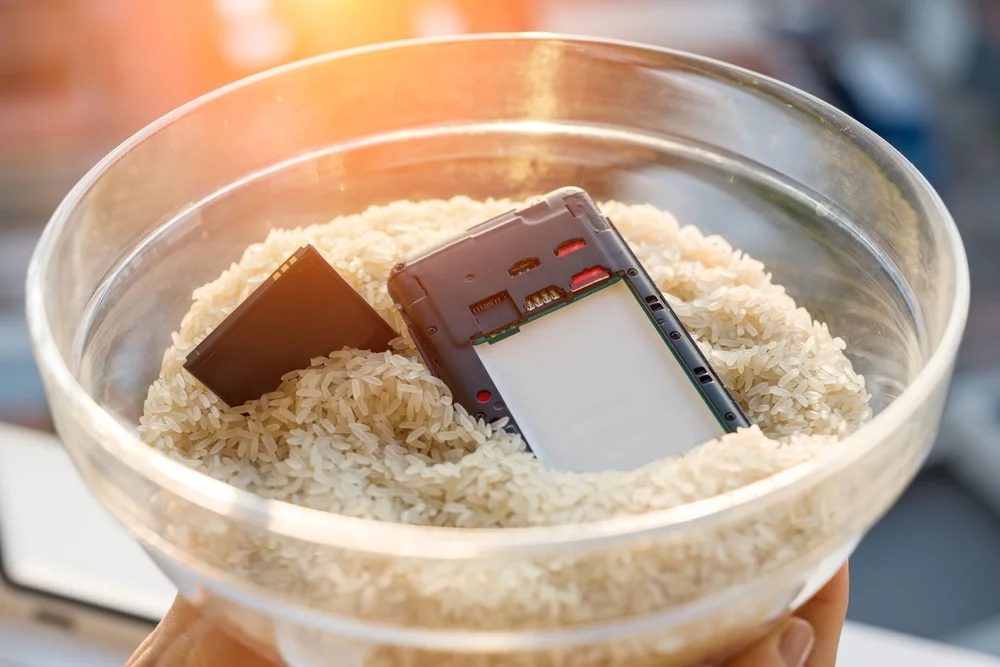
Back in the day, everything electronic was no match for water. If you lived through the late 90s to early 2000s you know how any form of liquid can destroy your $700 flip phone. If you had the misfortune of dropping your phone in the pool you probably tried burying it in a tub of uncooked rice hoping to revive it. While there’s no scientific proof that rice sucks up the moisture inside a device it’s still everyone’s go-to first aid.
Then came the smartphones of the 2010s with dust and water protection. Today mobile phones can survive a quick dip in the pool – whether intentional or not. Waterproofing made underwater phone photography possible and most importantly relieved us of the worry of our devices coming into contact with liquids. Rain or shine, pool or dust, devices can withstand the elements. But not all devices are created equal.
Ever seen the “IP” followed by a number/s in your device specs? Well, that’s the protection level.
IP Rating Explained

Ingress Protection rating is the indicator of a device’s protection against dust and liquids. The IP code helps you determine if a device can withstand the elements.
Devices exposed to harsh conditions, like outdoor electronics, industrial machinery, or consumer gadgets, often use IP ratings. Understanding an IP rating can mean the difference between a device that lasts and one that fails early.
What does IP65 mean

When you see an IP65 rating on a device it might look like a bunch of numbers and letters but it’s actually quite simple once you break it down. The “6” indicates the device’s level of protection against dust ingress. It means the device is completely “dust-tight”, preventing even the smallest particles from getting inside and causing damage.
The “5” in IP65 means the device’s water resistance. The device resists water jets from all directions. While it can withstand water sprays, it’s not waterproof for swimming or diving.
Is IP65 Waterproof?
The device is water resistant rather than waterproof, as shown by the IP65 waterproof rating. Therefore, it resists water jets from any direction but isn’t designed for submersion.
Is IP65 Weatherproof?
Devices with an IP65 weather rating are protected from mild splashes or rain. But the IP65 weather rating doesn’t account for other weather elements like lightning, hail, sunlight, or wind. So while IP65-rated devices can withstand some weather conditions they may need additional protection like a NEMA-rated enclosure to withstand extreme weather environments.
Ingress Protection Levels
Let’s dissect the Ingress Protection levels in order to gain a better understanding of what an IP65 rating signifies. The first number, which goes from 0 (not protected) to 6 (totally sealed against dust), represents the level of dust or dirt protection. A rating of 6 means the product is impervious to dust particles, meaning no solid objects can get inside the device and possibly harm the internal parts.
The second digit in the IP rating means the device’s liquid ingress protection. This value goes from 0 (no protection) to 9 (hot, pressurized water jet protection). Devices with a liquid ingress protection of 5 can withstand low-pressure water jets, but cannot survive submersion.
IP Rating Chart

IP65 vs IP67
Smaller devices like smartwatches can go from 0 to IP6. Larger devices like smartphones and display monitors guarantee at least an IP65 rating. But more advanced devices can have higher IP ratings and therefore better protection.
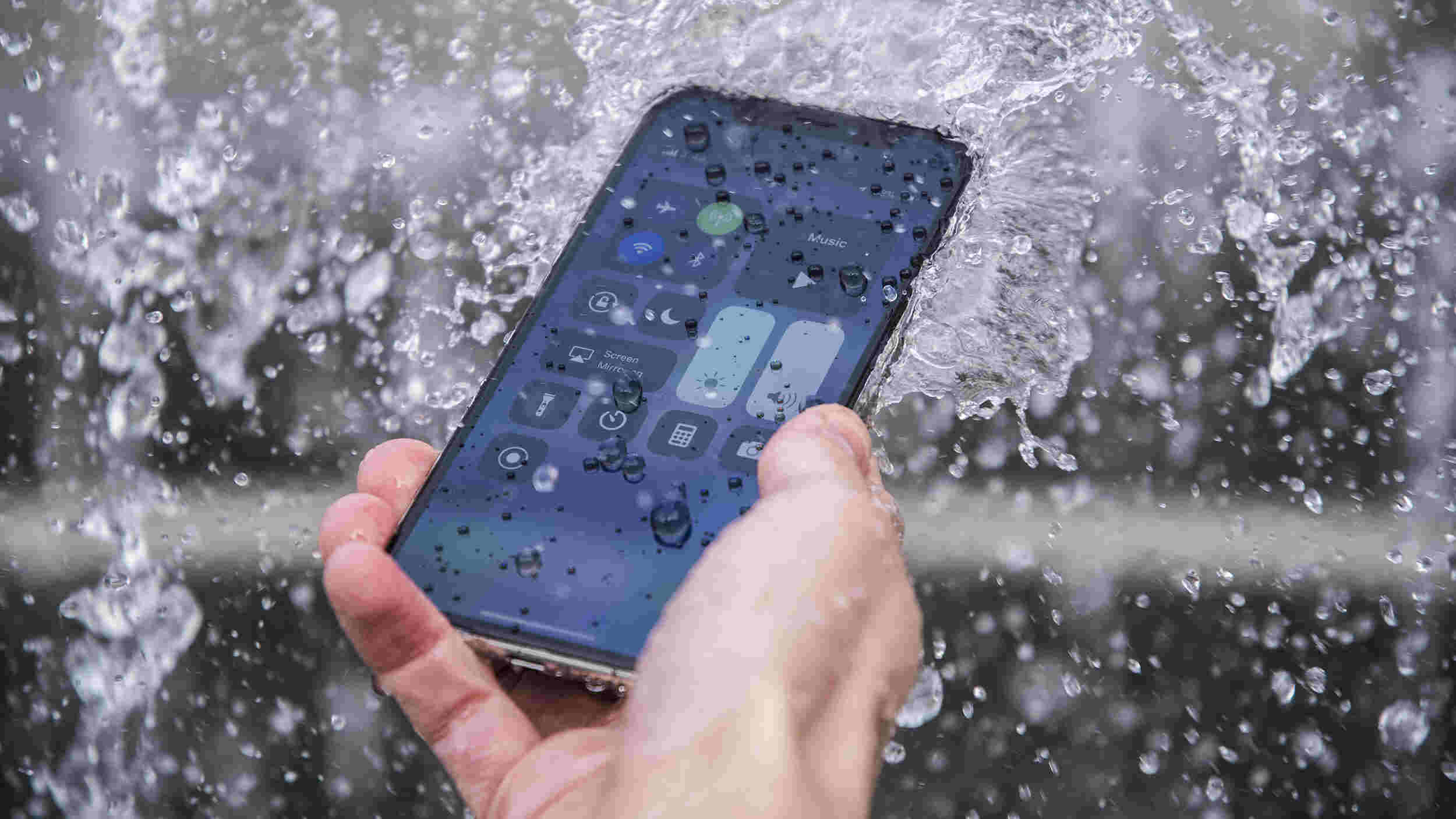
Determining the amount of protection you require will be easier if you understand how an IP65 rating compares to other ratings. For example, IP67 has the same level of dust protection (6) but with higher water resistance (7). Devices with an IP67 rating can handle brief submersion in water, making them suitable for environments with higher water exposure, such as snorkeling or flood-prone areas.
At the top end of the scale is the IP69K rating which is the highest level of ingress protection available. In addition to being dust-tight, devices with this certification can withstand water jets of high pressure and temperature. Industries like food processing typically require this level of protection to thoroughly clean equipment without risking water ingress.
Applications and Uses of IP65 Devices
IP65 devices are highly versatile and used across various industries and environments:
- Outdoor applications: Common in security cameras, outdoor lighting, and digital signage, where devices face rain, dust storms, and temperature fluctuations. The IP65 rating means the devices can withstand varying weather conditions.

- Industrial applications: Required for machinery and equipment that operate in dusty environments or where water spray is common like in the food and beverage industry. The IP65 rating protects the devices from environmental damage so they can function consistently.
- Medical/Lab Environments Requiring Explosion Protection: Higher IP ratings are necessary for protection against solid and liquid objectives chemicals, ensuring safe and sterile operation.
- Transportation and logistics benefit: Used in vehicles and storage facilities where dust and water exposure is frequent. Examples are rugged tablets for tracking shipments and control panels on loading docks where the IP65 rating ensures they can withstand harsh weather conditions. Traffic light control systems also use IP65 devices to ensure they work even in a harsh environment.
Why IP Rating is Important in LED Displays
The IP rating of LED displays is crucial for assessing their durability and performance, particularly in environments exposed to dust, water, or other harmful elements. Here’s why IP rating matters in LED displays:
1. Protection Against Environmental Factors
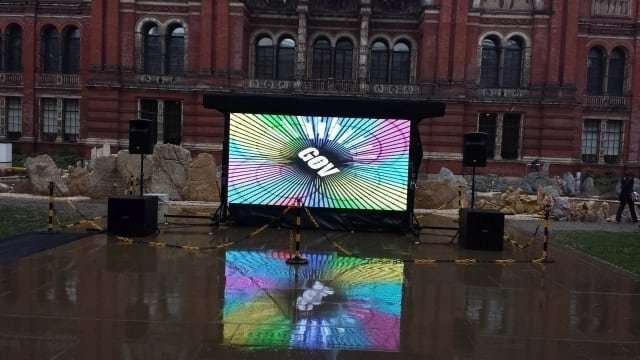
LED displays are used in various outdoor and industrial applications where harsh environmental conditions are present. An IP rating protects the display from dust, dirt, and water ingress, which could damage the internal components. For example, an IP65 LED display can withstand dust and rain making it suitable for outdoor advertising, digital signage, or public information displays.
2. Longer Life
The higher the IP rating the more protected the display is against physical damage. This is important for LED displays that need to run 24/7 in harsh environments like stadiums, transportation hubs or factories. A higher IP rating means the display can withstand constant environmental stress without malfunctioning or requiring frequent maintenance.
3. Safety
In environments where LED displays are exposed to moisture or dust, there is a higher risk of short circuits or electrical failures if the display is not properly protected. An IP rating ensures the enclosure of the display prevents these substances from reaching the electrical components thus reducing the risk of safety hazards like fires or electrical shocks.
4. Longer Life
LED displays with the right IP rating will have a longer operational life. By preventing dust and water from entering the display the IP rating avoids corrosion, electrical failures, and other forms of damage that can shorten the life of the display. This is especially important for large-scale installations where replacing or repairing LED displays can be expensive and time-consuming.
5. Cost Savings
Investing in an LED display with the right IP rating will save you in the long run. While higher IP-rated displays may be more expensive upfront, they need less maintenance and have fewer breakdowns so lower total cost of ownership. Plus the added protection means you won’t need to replace the display prematurely due to environmental damage.
6. Universal Application

You can use an IP-rated LED display anywhere, including outdoor billboards, event screens, and indoor industrial displays in dusty or humid environments. The IP rating means you can deploy these displays in any location and condition and know they are protected from environmental risks.
How to Protect an IP65 LED Display From Dust and Water

IP65 LED displays are dust and water-resistant but extra protection can extend their life and performance. Here’s how:
1. Sealed Enclosures
LED displays have multiple ports and openings that can let dust and water in. These openings are necessary for functionality but need to be sealed properly to prevent ingress. Silicone sealants are commonly used as they are water and temperature-resistant. By sealing these vulnerable areas manufacturers can keep IP65-rated displays dust and water-resistant.
2. Gaskets
Gaskets seal the gaps between components, keeping the device dust and water-free. In LED displays, gaskets are placed on panels, backlit plates, and other areas where components connect. Gaskets can withstand compression and maintain a tight seal to prevent foreign objects from entering.
3. Sealed Connectors
Connectors like USB and HDMI ports are common entry points for dust and water. To protect an IP65 LED display you need to use sealed connectors. These connectors can be enclosed in polymeric or plastic material to add an extra layer of protection against environmental elements.
4. Water-Resistant Materials
Using water-resistant materials like silicone, latex, or acrylic in the construction of LED displays can prevent water damage. These materials have hydrophobic properties that repel water and prevent it from reaching internal components.
5. Ingress Prevention Techniques
Beyond sealing and using protective materials, there are other ingress prevention methods to use. For outdoor installations, consider placing the LED display under a shade to minimize direct rain and dust exposure. Filters can also be installed over ventilation openings to prevent larger dust particles from entering.
Dust and Water Effects on LED Displays
Protecting LED displays from dust and water is important because of the damage they can cause:
- Heat Build-Up: Dust can block ventilation and cause overheating and damage to internal components.
- Visual Artifacts: Dust and water can cause flickering or dead pixels to the display.
- Electrical Damage: Water can short-circuit and damage LED chips and other electrical components.
- Color Irregularities: Dust can affect color filtering and cause color inaccuracies.
- Less Lifespan: Continuous dust and water exposure can reduce the lifespan of an LED display and make it less cost-effective in the long run.
By following these tips, you can keep your IP65 LED display working and reliable even in extreme conditions.
When is Your LED Display IP65-Rated?
LED displays serve a variety of applications, each with unique safety requirements. Understanding when to choose an IP65 rating ensures your display stays protected from the elements.
Increased Humidity Levels

The amount of water vapor in the air is called humidity, and it changes depending on the environment. In high humidity areas, particularly colder and wetter climates, electronic devices are prone to moisture ingress. An LED display with an IP65 rating is designed to resist light rain and damp conditions, protecting the internal components from water damage and ensuring it will still work in humid environments.
Dusty Areas

In areas prone to dust storms or where dust accumulation is common—such as large cities—LED displays can be susceptible to dust ingress. Dust can accumulate and affect the display’s performance and potentially cause malfunctions. An IP65 rating provides the necessary protection against dust, making it suitable for use in areas where dust is a problem. This protection will help maintain the display’s performance over time.
General Outdoor Use
Outdoor use exposes LED displays to many environmental factors including dust, moisture, and pollutants. Dust can come from vehicle emissions and industrial activity, while moisture from rain or dew can also affect the display’s operation. An IP65-rated display is designed to protect against both dust and water so it’s a good choice for most outdoor installations.
Evaluation of IP65 Ratings
LED displays can only earn an IP65 classification by successfully completing rigorous testing that proves their resistance to dust and water. These tests, conducted in controlled environments to simulate real-world conditions, are essential for outdoor use.
IP65 Tests for LED Displays

- Dust Resistance Tests: The display is tested in a controlled chamber where it is exposed to dust to see how it can withstand particle ingress. This ensures the display can handle dust without affecting its performance.
- Water Resistance Tests: The display is tested with water jets in a controlled environment to simulate rain. This test checks the display’s ability to resist water ingress and ensure it will work in wet conditions.
The display will be IP65-rated after testing is complete. Displays with this rating usually come with manufacturer warranties and documentation to explain the level of protection.
Is Your Device IP65 Rated?
Verifying your device’s IP65 rating is the best approach to ensure that it meets your security needs. This rating helps you make informed decisions and confirms the device can withstand certain environmental conditions. Here’s how to check and verify if your device is IP65-rated.
Look for Certification Labels and Stickers

Manufacturers often put important information like the IP rating on the product or its box. This is standard practice and is meant to be transparent so you can easily find the rating. Reputable manufacturers will make sure this info is easy to find on the device and the box.
Check Product Literature
If the IP rating isn’t on the device or box, check the product literature. Manuals, warranty info, and product brochures often have detailed specs including the IP rating. These documents may also explain what specific protections the device offers so you can better understand its capabilities and limitations.
Contact the Manufacturer or Supplier
If you’re still unsure about the IP rating, contacting the manufacturer or supplier is the way to go. Sales reps and customer support teams should be able to give you specific info about the product’s rating. But always double-check this info by reviewing literature or if possible, testing the device, especially since LED displays can be a big investment.
How Does an IP65 Rated Device Handle Everyday Risks?
An IP65 rating gives strong protection against dust and water, but you need to know where the limitations are.
Sensitiveness to Humidity
Although IP65-rated electronics are made to resist water splashes, they might not be completely immune to extreme humidity. For example, an LED display with ventilation or speaker holes can let humid air in especially in high-humidity and high-pressure environments. Over time this moisture can seep into the device and damage internal components.
Non-Submersible
Water submersion is not recommended for equipment with an IP65 rating. Submersion ratings start at IP67 which means a device can withstand temporary immersion in water. IP65-rated devices may be vulnerable to high water pressure when submerged and can compromise the seals and let water in.
Shorter Exposure Time
IP65-rated devices are protected against dust and water but are not designed for prolonged exposure to these elements. Continuous or extended exposure will wear down the protection and can fail. This is why you need to use the device properly and know its exposure limits.
Maintenance Required
To keep an IP65-rated device protected, maintenance is necessary. This means cleaning, checking for faults, and making sure the seals and protection features are working. Neglecting maintenance can cause wear and tear, especially on delicate components like LED chips. Follow the manufacturer’s maintenance guidelines and stay in touch with your supplier to extend the device’s life.

