


On screens, aspect ratios serve as the foundation for visual representation. They determine the ratio of width to height of a screen and affect the media and the user’s experience. There are many aspect ratios but 16:9 and 4:3 are the most talked about, each with its pros and cons.
Widescreen, or 16:9 aspect ratio, is the industry standard for contemporary screens such as TVs, monitors, and smartphones. 4:3, associated with old TV and retro media, has a square design that is still preferred for specific use cases like archival footage or retro gaming.
This blog will go into detail about these two formats, their characteristics, pros and cons. We will compare them across multiple angles, analyze their similarities and differences, and help you decide which aspect ratio is best for you.
What is an Aspect Ratio?

The width-to-height ratio of a screen or image, represented by two numbers and a colon (:), is known as the aspect ratio. For example 16:9 means the screen is 16 units wide for every 9 units tall and 4:3 is 4 units wide for every 3 units tall. These ratios determine the shape of the display and how content fits on the screen.
Aspect ratios are key to screen and media compatibility. A mismatch between the content’s aspect ratio and the display will result to letterboxing (the top and bottom of the screen have black bars) or pillarboxing (black bars on the sides). These adjustments aim to preserve the original proportions of the media while accommodating the screen.
Why Aspect Ratios Matter
Aspect ratios are not just technical specs—they affect user experience. You can take advantage of widescreen or vintage displays by selecting the appropriate aspect ratio.
Timeline
- 4:3 Era: Ruled the 20th century, shaped early TVs and computer monitors.
- 16:9 Revolution: Gained popularity with the rise of HDTV in the 2000s and is now the default for most displays.
Related
- Letterboxing: Adds black bars to the top and bottom of widescreen content on a 4:3 screen.
- Pillarboxing: Adds black bars to sides of 4:3 content on the 16:9 screen.
What is 16:9?

The 16:9 aspect ratio, also known as widescreen, is a rectangular format where the width is almost twice the height. This became the industry standard with the rise of HDTV and is used on TVs, monitors, and smartphones.
16:9 Pros
- Wider Viewing Area: Horizontal orientation provides more screen real estate, perfect for movies, games, and sports broadcasts.
- Content Compatibility: Most modern media, from Netflix shows to YouTube videos, are in 16:9.
- Productivity Benefits: Widescreens support multitasking, you can have multiple application windows side by side.
- Versatility: Suitable for home theaters to professional video editing setups.
16:9 Cons
- Older Content Issues: Legacy content in 4:3 will have letterboxing or cropping on 16:9 screens.
- Space Consumption: For small setups, 16:9 displays can feel too wide compared to 4:3 monitors.
What is 4:3?
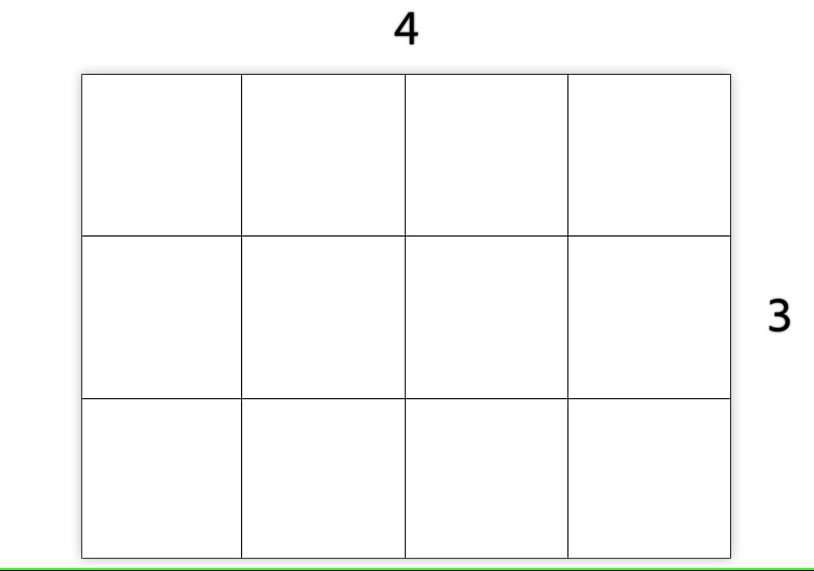
The 4:3 aspect ratio is the older display technology. Also known as the “fullscreen” format, it was used in CRT TVs, early computer monitors and retro gaming consoles. Although replaced by widescreen formats, 4:3 is still relevant for some niche uses.
4:3 Pros
- Nostalgic Value: Perfect for retro gaming and classic media presentations, 4:3 gives you an authentic vintage feel.
- Center Focus: The square design keeps the viewer’s attention centered, great for older photography and documentaries.
- Static Content: Documents, images, and presentations usually align with 4:3, with no distortion.
4:3 Cons
- Limited Compatibility: Most modern contents are in widescreen, and 4:3 displays will require pillar boxing, making them less practical.
- Less Immersive: Compared to widescreen, 4:3 feels restrictive for video and gaming and lacks the wider perspective of 16:9.
16:9 vs 4:3
One way to decide which aspect ratio is better in our comparison is to look at the differences between them. Both 16:9 and 4:3 have their own features, pros and cons. Let’s look at these differences by looking at how they relate to LED display features.
Usage
16:9
The 16:9 aspect ratio is the industry standard in the digital age. Its widescreen layout makes it the default for most modern displays, UHD 4K TVs, HDTVs, gaming monitors, and large LED panels. Since most digital cameras are 16:9, this aspect ratio ensures compatibility with video content, streaming platforms, and gaming setups.
Devices that use 16:9:

- UHD 4K displays (3840×2160)
- HDTVs (720p to 1080p)
- Full HD LED displays (1920×1080)
- Gaming and productivity monitors
This aspect ratio is also good for immersive applications like home theaters, video editing, and dynamic presentations.
4:3
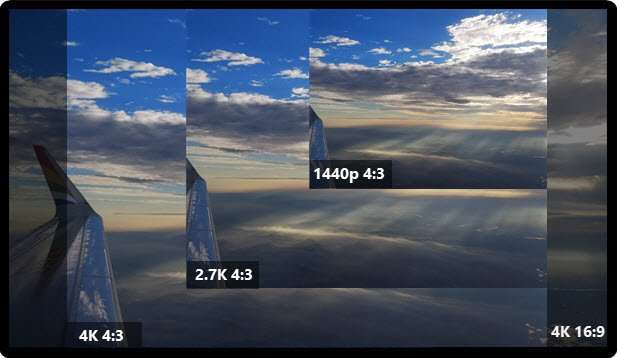
4:3 has limited uses but is still relevant in some situations. It’s used for retro gaming, archival footage, and some cinematic productions. For example, IMAX films often use a modified 4:3 aspect ratio to maximize screen height, making it a tall visual experience.
Although 4:3 is no longer supported by modern devices, older TVs, monitors, and projectors still use this format. Its design is still useful for static content like images, documents, and presentations.
Screen Real Estate
Screen real estate refers to the usable display space of each aspect ratio, which affects multitasking and content presentation.
16:9
16:9 has a larger horizontal space, perfect for multitasking and immersive experiences. The wide design allows for splitting the screen into multiple windows, for productivity and creative workflows. Widescreen real estate also makes panoramic videos and dynamic applications more impactful.
4:3
In comparison, 4:3 has limited horizontal space and feels more compact. Its nearly square shape is good for static content like images and documents but struggles with the wider layouts needed for videos and gaming. The smaller dimensions make it less good for multitasking or applications that require wide viewing angles.
Content Compatibility
Content compatibility of an aspect ratio determines its usability for users.
16:9
Modern videos, games, and streaming platforms like YouTube, Netflix, and Hulu are designed in 16:9 format. So it’s the default choice for users who want seamless playback without distortions, cropping, or black bars.
4:3
4:3 is good for older content, but limited for modern applications. It’s good for legacy media, archival footage, and retro games but requires letterboxing or cropping for widescreen videos. Incompatibility makes it less relevant in today’s context.
Multitasking
Multitasking on a single display is heavily dependent on the aspect ratio.
16:9
A 16:9 display has enough space for multitasking. The wide design can fit two or more windows side by side without clutter. This is especially useful for professional tasks like editing, coding, or research where visibility and screen organization matters.
4:3
Multitasking on a 4:3 display is hard due to its narrow width. Trying to split the screen into multiple sections will result in cramped windows and reduced productivity. The smaller screen real estate also limits the user to view comprehensive data at once.
Design Appeal
Design matters in the adoption of aspect ratios.
16:9
16:9 design is sleek and modern. Most users associate this aspect ratio with HD and it’s the default choice for modern entertainment and professional applications.
4:3
While 4:3 is nostalgic for many, it’s often perceived as outdated. Its association with old TVs and monitors makes it less popular in a modern design context. But it’s still loved by retro enthusiasts and archivists.
16:9 and 4:3 Aspect Ratios Similarities
Despite the differences, 16:9 and 4:3 have several similarities that make them functional.
Rectangular Shape
Both aspect ratios are rectangular in shape defined by their width to height ratio. 16:9 is wider and 4:3 is more square but their geometric shape makes them versatile for different screen technologies like LED panels, video walls, and projectors.
Media Specificity
Each aspect ratio is suited for specific media. For example, 16:9 is good for dynamic content like videos, movies, and gaming while 4:3 is good for static content like documents and photos. This allows each to serve its purpose well.
Cross Platform Adaptability
Both 16:9 and 4:3 can adapt to content through letterboxing and pillarboxing. These methods preserve the original aspect ratio of the media so it will be compatible across different displays.
What to Consider When Choosing an Aspect Ratio
Choosing the right aspect ratio for your LED display is more than just specs. A careful consideration of intended use, audience, budget, and environment will help you make the right decision. Below are the factors to consider.
Intended Use
- For Videos and Films:
If you’ll be watching modern films, streaming, or gaming, 16:9 is the way to go. It’s the standard format for HD and 4K content. For archival footage like old films or TV shows, 4:3 is better to preserve the original format without distortion or cropping. - For Documents and Images:
4:3 is good for static content like documents, presentations, and photos since its near-square shape matches printed material. 16:9 is more suited for video but can also handle images but not as natural for text-heavy content.
Audience Demographics
- Younger Audience:
16:9 is more familiar to younger viewers who consume media on widescreen TVs, smartphones, and streaming platforms. Most of the content they watch is formatted for this aspect ratio. - Retro Enthusiasts:
4:3 is loved by retro gaming enthusiasts and those who enjoy vintage films. This audience appreciates the nostalgic experience of watching content as it was originally intended.
Budget and Space
- 16:9 Displays:
These are widely available and come in different price points, offering better value and more options for most users. Since they are popular, they are produced in large quantities so prices are affordable. - 4:3 Displays:
These are rare and may come at a premium since they are specialized. If you’re looking for a 4:3 display, it may be more expensive, especially for new ones.
Environment
- Indoor Use:
16:9 is good for most indoor environments whether for home theaters, offices or entertainment setups. Its wide format is perfect for dynamic content like movies and games, it’s immersive. - Outdoor Use:
4:3 displays are more compact and good for smaller signage or specialized outdoor use where large widescreens are not necessary or feasible.
Use Cases and Recommendations
General Use
For general home entertainment, productivity, and casual gaming 16:9 is the way to go. Its versatility, modern compatibility, and widescreen design make it the default choice for most users.
Specialized Applications
- Retro Gaming:
4:3 is the way to go for classic gaming as it preserves the original gaming experience. - Archival Content:
4:3 is required to watch older films or TV shows in their original format without distortion. - Dynamic Presentations:
16:9 is better for presentations that involve video or large visuals. Its widescreen format maximizes screen real estate for effective communication.
Overcoming Compatibility Issues

When dealing with mismatched aspect ratios, letterboxing and pillarboxing can help. These techniques preserve the original format so content looks correct without distortion or cropping, whether the screen is 16:9 or 4:3.
Future Aspect Ratios
As technology advances aspect ratios are changing to fit modern content consumption, professional workflows and emerging display technologies. 16:9 is still the norm for most but new formats are emerging for specific use cases. Here’s a look.
New Aspect Ratios
21:9 Ultrawide and 9:16 Vertical are redefining how we consume content, each for their own use case.
- 21:9 Ultrawide:
Also known as the ultrawide format, 21:9 has a lot more horizontal space than 16:9. Popular with gamers and professionals who need more screen real estate. For gamers 21:9 is a panoramic view, great for open world games or competitive titles so you can see more of the environment. For professionals in video editing and financial analysis 21:9 monitors let you work across multiple timelines or data sets without the need for multiple screens. - 9:16 Vertical:
For mobile-first platforms like TikTok, Instagram Stories and Snapchat 9:16 is how people consume content on their phones. This vertical format optimizes videos and images for scrolling feeds and encourages engagement by filling the entire mobile screen. Popular in advertising, social media marketing and content creation for younger audiences.
Adaptive Technologies
One of the most exciting things in display technology is adaptive aspect ratios. Future displays will be able to change their dimensions to match the content being displayed. For example a screen could switch between 16:9 for streaming movies and 9:16 for vertical social media content without you having to manually resize or crop.
These adaptive displays would be perfect for multi-purpose devices like foldable smartphones, tablets and smart TVs. By getting rid of black bars or distorted visuals adaptive technologies promise a more flexible and visually consistent experience across all types of media.
Virtual and Augmented Reality
Aspect ratio is being completely abandoned by virtual reality (VR) and augmented reality (AR). Unlike traditional screens VR and AR displays are designed to provide a 360 degree view, traditional aspect ratios don’t apply. Instead they focus on field of view (FOV) and the seamless integration of visuals into the users environment.
For instance, users can engage with stuff all around them in a completely immersive experience created by the Meta Quest or PlayStation VR headsets. Without being constrained by rectangular frames, augmented reality technologies such as Microsoft HoloLens superimpose digital content onto the physical world, fusing virtual and physical aspects. As these technologies grow they will change how we think about displays and visual interaction.
Conclusion
When choosing between 16:9 and 4:3 for an LED display, the answer is in your specific needs and content preferences. 16:9 is the standard format, offers better compatibility, looks better, and is future-proof. But 4:3 is still relevant for nostalgic purposes and niche applications.
In the end, it’s up to your use case. For most 16:9 is the way to go, so you’re ready for modern media and productivity. But for those who love vintage experience, 4:3 still has its charm.

