


The OLED vs LED debate is still going strong in the display world. Both have their pros and cons. Knowing these is key whether you’re a gamer, a movie buff or just looking for the best screen for you. This article will go deep into OLED and LED screen tech, features, comparisons and uses.
The Basics
What is OLED?
Organic materials in OLED panels produce light when an electric current runs through them. OLEDs don’t need a backlight like LED displays do since each pixel in an OLED lights itself. This means OLEDs can do true blacks, better contrast ratios and more accurate color.
How OLED Works
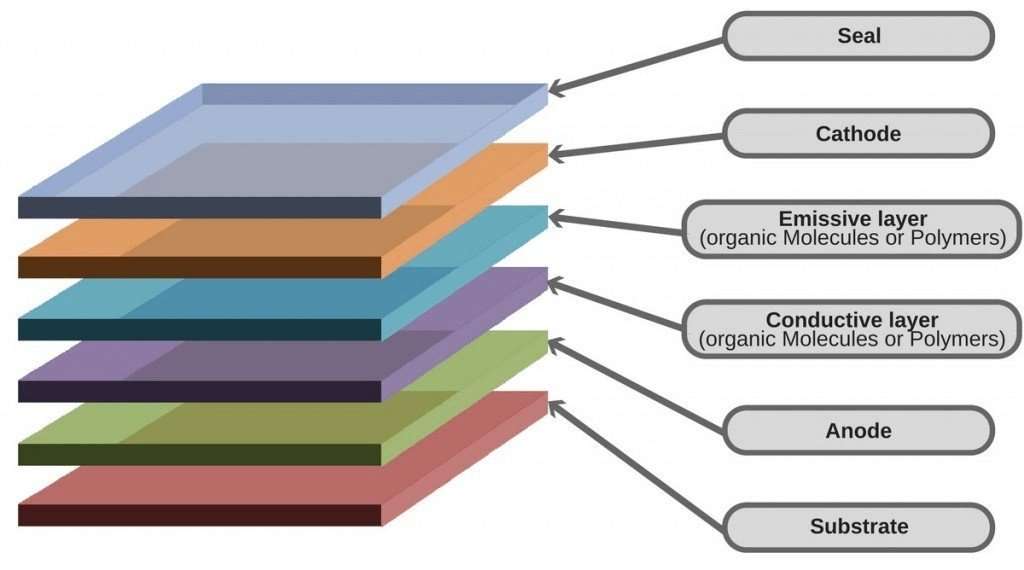
OLED (Organic Light-Emitting Diode) is based on organic molecules that produce light when an electric current is applied. The structure of an OLED panel has several layers, each with its own job in creating color and brightness. Here’s how it works:
- Organic Layers: There are organic materials sandwiched between two conductors in the OLED display. When electricity passes through, the organic layers emit light, each layer corresponding to a different color (red, green, blue).
- Self-Emissive: OLED panels produce its own light resulting to deeper blacks, higher contrast and richer color than LCD screens which need a backlight.
- RGB Emission: Each pixel in an OLED screen is made up of subpixels of red, green and blue light. The color of each pixel is controlled by adjusting the light output of these subpixels.
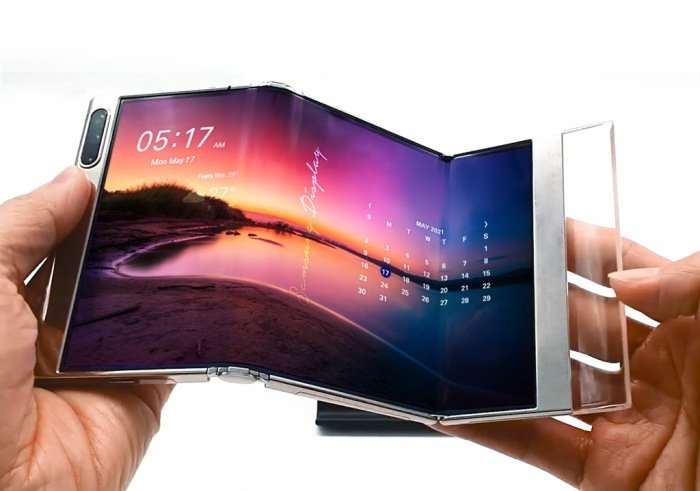
- Thin Design: OLED screens are thin because they don’t need a backlight, so they can be flexible and even curved.
What is LED?
LED displays use light-emitting diodes and liquid crystals to create images. Unlike OLEDs, these screens need backlighting to illuminate the pixels. Over the years, LED technology has evolved and introduced variations like QLED (Quantum Dot LED) and Mini-LED for better performance.
How LED Works

LED (Light Emitting Diode) displays work by using light-emitting diodes as the light source. While the structure may look similar to other types of displays, it’s primarily working with light control systems to generate visuals:
- Backlit LED: Most LED screens use an LCD panel with an LED backlight. The LEDs are either spread across the back of the panel (full array) or along the edges (edge-lit) to illuminate the liquid crystal pixels.
- LCD Panel: The light from the LEDs passes through an LCD matrix that controls how much light is transmitted to the screen. Each pixel in the matrix has liquid crystals that twist to block or allow light to pass through.
- Color Filtering: Color is achieved by having red, green and blue color filters in front of the liquid crystal pixels. The combination of these primary colors is what you see on the screen.
Application in Different Industries
OLED and LED have their own roles in various industries because of their unique characteristics. Whether you’re in entertainment, consumer electronics or business applications, knowing where each fits best will help you make informed decisions.
OLED in Consumer Electronics
- Smartphones: OLED is very popular in high-end smartphones because of its ability to produce deep blacks and high contrast so it’s better for media consumption, browsing and general use. OLED is good for devices that are viewed from different angles because of its wide viewing angles.
* Popular models: Apple iPhone, Samsung Galaxy series, Google Pixel - Televisions: High-end OLED TVs has the best picture quality, true blacks, high contrast ratio and better color accuracy. As home theater technology gets more advanced, OLED is becoming the gold standard for TV screens.
* Popular models: LG OLED TVs, Sony OLED TVs, Panasonic OLED TVs - Wearables: In smartwatches and other wearable devices, OLED allows for energy efficient, bright and vivid displays. The thin and flexible nature of OLED is perfect for slim designs.
* Popular models: Apple Watch, Samsung Galaxy Watch
LED in Consumer Electronics

- LED Televisions: Not as good as OLED in blacks and contrast, but LED TVs (especially those with Quantum Dot technology) are one of the most popular in homes and offices because of its affordability and brightness.
* Popular models: Samsung QLED TVs, Sony LED TVs - Monitors and Laptops: LED backlit displays are found in monitors and laptop screens, energy efficient and bright images. The variety of options in terms of display size, refresh rates and price points has made them the norm in the workplace.
* Popular brands: Dell Ultrasharp LED Monitors, HP Pavilion Laptops, Acer Predator Gaming Monitors - Smartphones: LED displays, especially those with IPS (In-Plane Switching) technology are used in mid-range and budget smartphones because it has good color accuracy and wide viewing angles without the high cost of OLED screens.
* Popular models: OnePlus phones, Motorola smartphones, Huawei Honor series
Industrial and Commercial Use Cases
Digital Signage

- LED: LED panels are used in large format commercial displays like digital signage, advertisement boards and public transport signage because of its scalability and brightness. In bright ambient light or outdoors, LED screens are more visible than OLED. Modular LED displays can be configured into custom shapes and sizes so it’s perfect for dynamic advertising or large digital walls.
- Common industries: Retail, Transportation, Hospitality
AR/VR Displays
- OLED: The flexible and vivid nature of OLED displays is perfect for augmented reality (AR) and virtual reality (VR) headsets. The fast response time, crisp colors and deep blacks makes immersion in these virtual environments better.
- Popular applications: Oculus Quest 2 (OLED), PlayStation VR
Automotive Displays
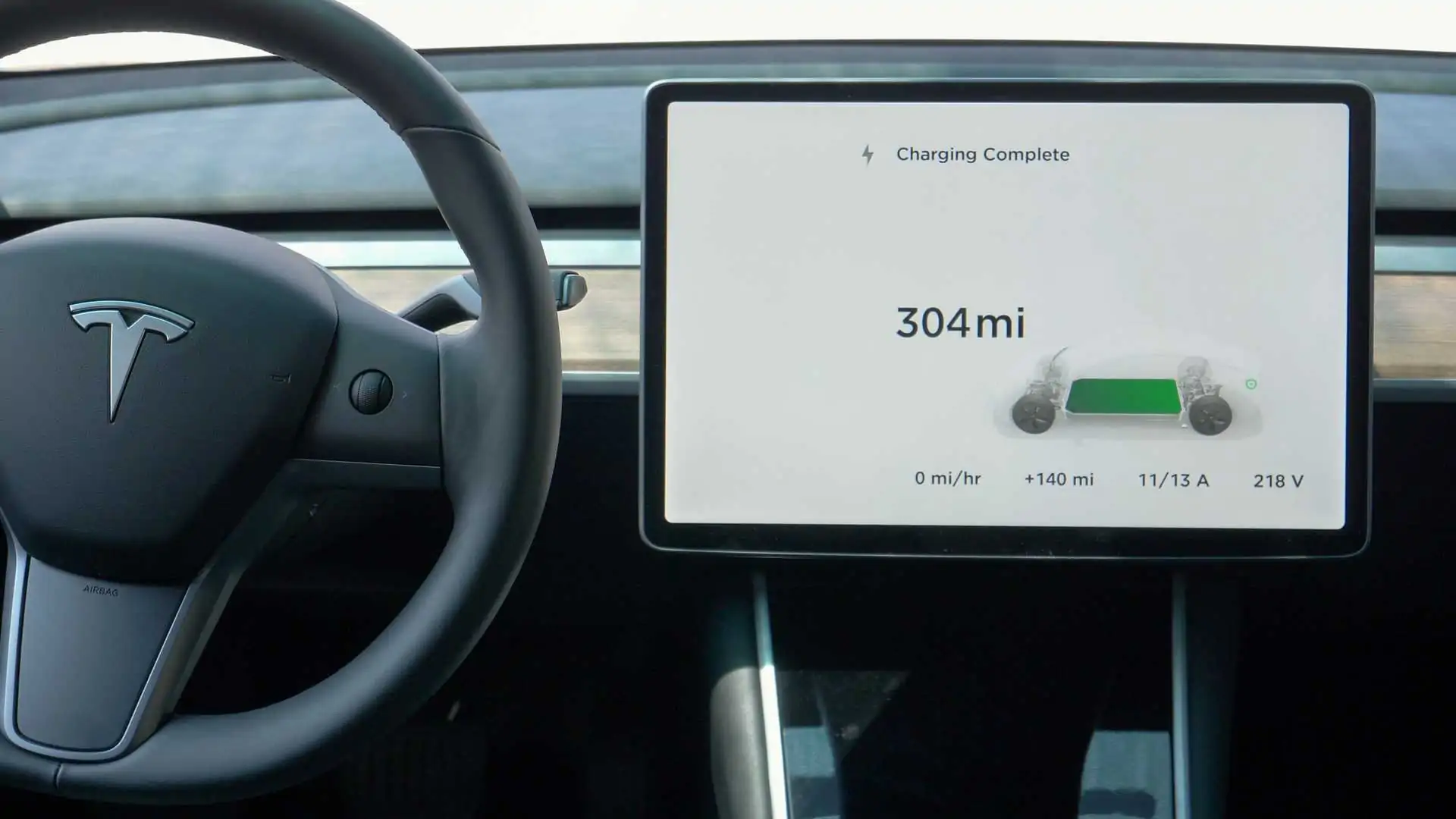
- LED: In modern cars, LED displays are used for dashboard instruments, infotainment systems and touch interfaces. The reliability and ease of production of LED displays makes it cost effective for car manufacturers even with complex digital display clusters.
- OLED: With the trend of luxurious and futuristic car designs, some high-end cars use OLED for their sleek and high quality touchscreens, for better contrast ratio for better user interaction.
- Example: Audi, BMW and Mercedes-Benz use OLED in interior displays.
Architectural Lighting
- LED: Energy efficient and durable, LEDs is the top choice for architectural lighting and commercial lighting systems. Modular and dimmable options makes it more applicable in places like stadiums, theme parks and museums where intricate lighting systems is important for an immersive experience.
- OLED: OLEDs are used in certain high-end interior designs, ultra thin panels are designed to be integrated directly to architecture for decorative lighting applications.
How Do They Differ?
Emissive vs. Backlit Technology
The main difference between OLED and LED is the light emission process. OLED’s self emissive structure allows each pixel to produce light on its own, true blacks and better contrast. LED requires backlight, meaning the black levels aren’t truly “black” since some light seeps in to the dark areas.
Color Accuracy
OLED has more accurate and richer color because of its perfect blacks and pixel level color control. LEDs, especially with Quantum Dots, has narrowed the gap but still relies on backlight to achieve higher vibrancy.
Key Differences Between OLED and LED
Lighting Mechanism
- OLED: Each pixel produces its own light, so an OLED screen doesn’t need backlight. This gives OLED an advantage in color accuracy, blacks and contrast.
- LED: Light is produced by a backlight (which can be edge lit or full array). So LEDs can’t match OLED’s contrast or true black capability, although mini-LED has improved.
Design and Flexibility
- OLED displays are thin and can be designed in various shapes and sizes, including flexible or curved screens. This flexibility is perfect for curved TVs, foldable smartphones and wearables.
- LED screens are thicker due to the need for backlighting. This limitation in design options but mini-LED has made it possible to have slimmer designs.
Color Accuracy and Viewing Angles
- OLED: Since each pixel produces its own light, OLED displays can have perfect color accuracy across wide viewing angles without degradation. The image quality remains the same no matter where you’re sitting.
- LED: LED panels, especially with Quantum Dot (QLED) can have vibrant colors but can degrade in color at wider viewing angles.
Scalability
- OLED is not suitable for very large format due to higher cost, but has been successful in consumer electronics like TVs.
- LED displays, in large format or modular tiles, are scalable for digital signage and stadium displays. They can be assembled into giant video walls or billboards.
Thickness and Build Quality
- OLED displays are ultra thin since it doesn’t have backlight. They are thinner than LED screens, some models are as thin as few millimeters, perfect for applications where space is limited.
- LED screens, especially older designs, are thicker because of the backlight technology. But newer Mini-LED has reduced the bulk, making it possible to have thinner LED screens.
Picture Quality Comparison
Contrast Ratios and Blacks
- OLED: OLED has better contrast ratio because it can turn off individual pixels to achieve true blacks, resulting to deeper contrast. This is perfect for movie and show watching that requires deep shadow detail.
- LED: LED displays can’t turn off light on a pixel level. The backlight bleeds into black areas which reduces contrast and makes deep shadows look grayish.
Brightness Levels
- LED: LED displays, especially with QLED or Mini-LED, generally outshine OLED in brightness. LEDs are better for bright environments like well lit living rooms or outdoor displays.
- OLED: While OLED displays have great contrast and colors, they can’t match the peak brightness of LED screens. But OLED’s contrast advantage usually outweighs the brightness in visual experience especially in dark environments.
HDR Performance
- OLED: OLED has an advantage in HDR performance. The combination of deeper blacks and more detail in dark scenes makes OLED a favorite among enthusiasts who wants high quality HDR content.
- LED: LED screens, especially with QLED or Mini-LED, can produce very high brightness which helps in HDR content’s luminance. But they can’t replicate OLED’s true blacks.
Color Reproduction and Fidelity
- OLED: OLED displays have better color reproduction because of pixel level control and ability to turn off individual pixels. This results to more saturated and lifelike colors.
- LED: LED displays, especially those with Quantum Dots (like QLED), have improved color reproduction. QLED adds a layer of quantum dots between the backlight and the display to enhance brightness and color vibrancy. But OLED’s deeper black levels gives it the advantage in contrast.
Energy Efficiency
Power Consumption in Different Scenarios
- OLED: OLED displays are more energy efficient in dark scenes because the self-illuminating pixels turn off in black areas, saving power. But overall energy efficiency depends on content: bright images consumes more power.
- LED: LED consumes more power when displaying bright images because of the constant backlight. While LEDs are energy efficient in general, they don’t have dynamic power management that OLED’s pixel control has.
Potential Energy Savings in Day-to-Day Use
- OLED displays consume less power in dark scenes or lower brightness, making them more energy efficient for high contrast content (e.g. movies and certain TV shows).
- LED displays are less energy efficient overall because the backlight is always on, though QLED and Mini-LED helps optimize power use by adjusting lighting and dimming sections of the backlight.
Durability and Maintenance
OLED vs LED Lifespan
- OLED: One of the disadvantages of OLED technology is burn-in. Prolonged exposure to static images like logos or static HUD elements can cause irreversible image retention. But manufacturers have made progress in mitigating this issue with pixel shifting and other anti-burn-in technologies.
- LED: LED displays last longer than OLED because of no burn-in issues. With proper care, LED screens can maintain high quality picture for many years though LED backlight dimming occurs as they age.
Maintenance Concerns and Longevity
- OLED: OLED screens requires extra care because of burn-in issues especially for customers who will use their display for static content (gaming or news broadcasting).
- LED: LED displays are more robust and don’t have image retention risk, making them easier to maintain in the long run.
Cost and Accessibility
Initial Costs
- OLED: OLED technology is more expensive because of the complex manufacturing process and better image quality. This premium cost translates to higher prices for OLED TVs, smartphones and monitors.
- LED: LED displays are more affordable. With various models and technologies (basic LED, QLED, Mini-LED) users can find options at different price points.
Long-Term Value for Money
- OLED: For movie and TV enthusiasts who value highest contrast and color accuracy, OLED’s better picture quality might be worth the extra cost. But the price gap between OLED and LED has been closing up in recent years.
- LED: LEDs are better value for budget conscious consumers, especially those who are okay with less perfect blacks or those who use their displays in well lit areas.
Gaming: OLED vs LED for Gamers
Response Times and Input Lag
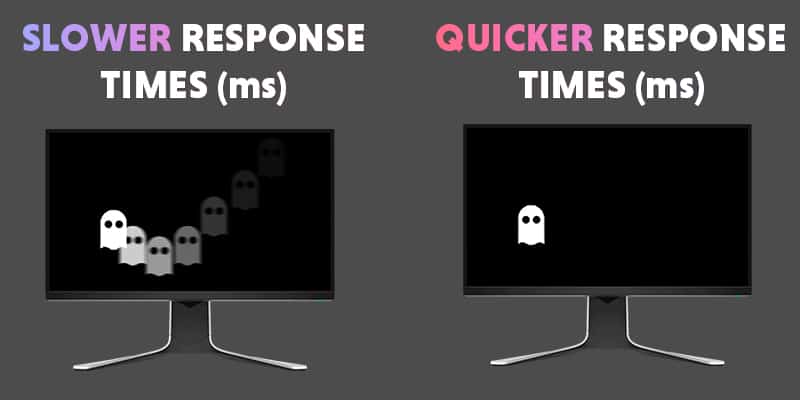
- OLED: OLED has fast pixel transition and minimal motion blur making it perfect for fast paced gaming. OLED panels have lower input lag which results to smoother and more responsive gaming experience.
- LED: LED displays are slower to respond than OLEDs though gaming monitors with faster refresh rates and lower input lag (especially QLED or Mini-LED models) have improved.
Immersion and Visual Experience in Games
- OLED: With true blacks, OLED is more immersive gaming experience. Contrast and color accuracy enhances not only the visuals but also the emotional impact of the game.
- LED: LED may not have OLED’s contrast depth but QLED or Mini-LED offers richer and more vivid colors and higher brightness, making LED a good option for well lit rooms.
Longevity and Burn-In Issues in Gaming
- OLED: One of the concerns of OLED for gamers is burn-in. Static content like HUD elements and score indicators can damage the OLED panel over time. Manufacturers provide mitigation features but it’s still a concern for long term use.
- LED: LED displays has no burn-in risk and is better for gaming where static images stay for long periods. Gamers will enjoy longer visuals without degradation.
OLED vs LED for TV and Movie Watching
Home Theater Experience
- OLED is a great home theater experience. With better contrast ratio, deeper blacks and color accuracy, OLED is the choice of movie enthusiasts who prioritizes deep visual quality in dark environment.
- LED displays is good home theater experience though can’t match OLED’s blacks. For bright or ambient light rooms, LEDs still offer great visual performance and is a good option for budget conscious users.
Content Consumption
- OLED excels in HDR video, cinematic movies and high-end TV series. The ability to render stunning contrast and colors with true blacks gives OLED the upper hand for serious content consumers.
- LED performs well in scenarios where the content doesn’t require extreme contrast and bright room dominates. Many users enjoy LED for its affordability, high brightness and wide content support.
Longevity, Burn-In and Durability: OLED vs LED
Lifespan Considerations
- OLED Lifespan: OLED technology though delivers better contrast and color has burn-in and image retention issue. This happens when static content stays on the screen for too long and results to ghosting or permanent image imprint. Over time the individual OLED pixels also degrade affecting brightness and color accuracy especially the blue sub-pixels which degrades faster.
- But recent innovations like pixel shifting and screen savers has been introduced to extend the lifespan of OLED screens.
- Typical Lifespan of an OLED TV: 5 to 7 years (with heavy usage and higher brightness settings can reduce lifespan).
- LED Lifespan: Traditional LED displays (backlit LCD) is more robust when it comes to longevity because it doesn’t have the same burn-in risk as OLED. The individual LED backlight itself lasts longer than OLED screens.
- Typical Lifespan of an LED TV: 8 to 10 years as LED technology doesn’t degrade with use like OLEDs do.
- QLED: Since Quantum Dot LEDs doesn’t have burn-in issue, these displays has additional stability and has similar lifespan as traditional LED but with better color retention.
Maintenance and Use Over Time
- OLED: Though OLED displays has burn-in in highly static use like gaming or news, it provides much richer and deeper picture during normal use. This makes it perfect for scenarios where image quality is top priority like movie watching, gaming (with higher frame rates and low-lag response) and photo editing.
- LED: There’s less degradation risk with traditional LED TVs or LCDs. Since the backlight can dim over time, these displays will lose some brightness after several years but overall picture quality remains stable.
Environmental Impact
Power Consumption and Sustainability
- OLED: OLED displays consumes less power compared to backlit displays especially when displaying black or dark content since each pixel generates its own light and can be turned off individually. This makes OLED outperform LED in terms of power savings when displaying darker content. But their complex production process and limited lifespan may contribute to higher environmental impact in the long run.
- LED: LED displays especially those with backlighting technology is one of the most energy efficient display technology in the market. The focus on high brightness and low power consumption makes LED favorable in industries that emphasizes eco-friendly and sustainable practices like office buildings or public digital billboards.
Advanced Mini-LED and QLED technology also contributes to energy efficiency through better local dimming which means energy isn’t wasted illuminating dark parts of the image.
Price Difference and Value Over Time
- OLED: Initially OLED was much more expensive than LED displays making it less accessible to budget buyers. But as the technology matured the price gap is closing and competitive models are now available to consumers who wants high quality visuals.
- Long-Term Investment: Though the upfront cost is higher the OLED experience—thanks to better blacks, contrast and richer visuals—may be worth it for those who prioritizes premium viewing experience.
- LED: LED TVs is available in various price range and affordability is a major selling point. Though they may not match OLED in all categories but with QLED and Mini-LED advancements there are now options that can compete with OLED displays for a decent price.
- Budget Friendly: For those who wants excellent brightness, vibrant colors and solid performance on a budget, LED is an affordable option that delivers good value for money.
Conclusion: Which One to Choose?
The choice between OLED and LED depends on the use case, budget and picture quality preferences. Here’s a quick summary:
Go for OLED if:
- You want high color quality, depth and contrast especially in dark environment.
- You are creating or consuming media where visual quality is important, like movies, games and high-definition TV viewing.
- Budget is not an issue and you’re willing to invest in a premium experience.
Go for LED if:
- You are on a budget and looking for a display with excellent brightness that can handle ambient light.
- Longevity, energy efficiency and affordability is important for you.
- You need a scalable solution for commercial applications, digital signage or public advertising.
In short, both OLED and LED have advantages and choosing between them should consider technical details and practical uses. Whether you want a home theater setup or something for a bright room or outdoor advertisement, one of these technologies will suit your needs.

