


Live events are in an upswing for the past few years since borders reopened and lockdowns were lifted after the COVID-19 pandemic. With audiences’ thirst for something new and out of the ordinary, organizers are stepping up their game designing venues with the aid of LED screens. LED displays are no longer limited to audiovisual presentations and live feeds–they are now the life of the party!
Introduction to LED Floor Tiles
Definition and Overview
LED floor tiles are LED display screens installed on the ground. The screen surface is scratch-resistant and has good load-bearing capacity. Some even have built-in interactive sensing chips., LED tiles typically measure 500mm x 1000mm or 500mm x 500mm. A large display consists of multiple tiles. These rectangular units operate individually but can be connected to form a single, large display.

With the development of touch technology in LEDs, interactive dance floors have become a possibility, allowing people to interact with the display with a simple stomp of the foot. LED floors are typically installed on a flat surface and covered with a transparent or translucent material to protect them from wear and tear. These LED tiles have incredible load-bearing and shock-proof capabilities that allow partygoers to dance their hearts out without damaging the display underneath.
How They Work
While LED floor displays are not very different from typical LED screens, the former has a motion capture device that allows it to track people’s movements. Advanced sensors and cameras record data in real-time and sends it to the transceiver. The transceiver then sends the data to the processor while avoiding any latency to allow real-time interaction. This ensures the display on the screen moves in sync with people’s movements.
The data processor analyzes the image and motion data and integrates them to predefined parameters. It then generates the visual effect and responses based on the user’s interaction with the display. Finally, the LED floor tiles display the output from the processor.
Types of LED Floor Tiles
- Glass LED Floor Tiles: These types of LED floor tiles have a glass cover that allows for clearer light transmission and a smoother surface. Because of their fragile nature, they are typically used in applications that don’t require great load-bearing capabilities and frequent physical contact. While they’re still durable, the glass layer is prone to wear and tear.
- Silicone LED Floor Tiles: These types of LED floor tiles have a transparent silicone layer on top, protecting the modules from wear and tear and reducing the risk of slippage. However, they don’t transmit light as well as their glass counterparts and require a higher power consumption to produce clear images. The silicone layer protects the modules from wear and tear, making them suitable for high-action applications such as dance floors.
Applications of LED Floor Tiles
Events
Use interactive LED floor tiles at events like concerts, weddings, and trade shows to create a fun and immersive experience for guests. They can serve as a dance floor, stage, or even an interactive floor that responds to user input.
Exhibitions
Use LED floor tiles to create an engaging experience for visitors in retail establishments, museums, and other installations. They can serve as information displays, storytelling tools, or simply enhance the space. Additionally, you can include them as a component of the overall presentation in the installation.
Entertainment
Nightclubs can use LED floor tiles to draw patrons. They can be set up to display content that fits the venue’s mood, either on the dance floor or the stage.
Shops
LED flooring can be installed in stores as a way to promote new products and services. They can put up an engaging game that promotes the item they’re trying to market.
Interactive LED Floor Tiles Benefits
Excellent Load-bearing Capability

In contrast to other LED display kinds, LED flooring can withstand a number of people walking on them at once because of their excellent load-bearing properties. They are enclosed in aluminum die-cast cabinets with a maximum load capacity of 1.5 tons per square meter, comparable to the weight of an ordinary car.
Superior Visual Playback Quality

Interactive LED floor tiles produce breathtaking images with excellent color contrast and an optimal balance of grayscale and brightness. They feature a technological mask that makes the replay incredibly clear. However, their limited grayscale and brightness levels prevent outdoor use, as direct sunlight can fade the colors.
Simple Installation
The majority of interactive LED floor screens are designed to be easily installed without requiring specific tools or equipment. For a safer and more accurate setup, larger applications—like weddings and large-scale events—might call for professional installation.
Simple Maintenance
Interactive floor tiles are comparable to the puzzle pieces that go together to form a bigger picture. But the former can move around without impacting the final image. Because you wouldn’t have to replace the entire display when just a part of it failed to operate properly, maintenance and repairs would be simpler.
Personalization

You can easily customize LED floor tiles to match your unique needs in size, shape, display quality, and extra features. You can also transform them into wall LED displays, as well as use them as dance floor tiles. The refresh rate and pixel pitch you choose directly influence the level of interaction in the display. The pixel pitch controls the sharpness of the image’s features, while the refresh rate determines how quickly the display changes the image per second. P3.91, P4.8, P5.2, P6.25, P8.8, and P10.42 are typical pixel pitch values, while common refresh rates are 1920 Hz and 3840 Hz.
Selecting the Right Interactive LED Floor Screen
Crucial Components
Different suppliers might sell LED tiles with varying features. Maintaining magnetically installed models is simpler than those attached to the structural frame. For outdoor installations, ensure the units are weatherproofed with an IP65 rating or higher. For indoor installations, consider using LED tiles with a lower pixel pitch for sharper images. Additionally, for the best display quality under all lighting conditions, use devices with auto-adjust brightness.
Interaction
The sensor’s capacity determines how interactive the display is. Models with a multi-point touch system and a response time of 0.01s or faster are great for maintaining excitement in users. At least 16 motion sensors should be integrated into each module to ensure that every point on the display responds to motions.
Media Player
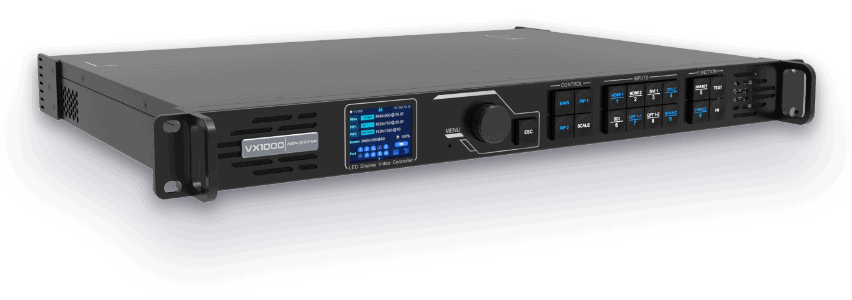
The choice ultimately depends on the kind of content you want to display. You can use different media players with LED screens. Sophisticated models handle content that demands HDR support, split-screen, and multi-screen functionality, while basic versions suit standard video content, animations, and static images.
Energy Efficiency
Since LED panels are usually left on for extended periods, your power usage may increase. To save on electricity costs, choose units equipped with energy-saving features. Reduced energy use also avoids the development of heat, which can help your display last longer.
Budget
Ultimately, the most important thing to think about is your budget. The more sophisticated the features are, the more the LED floor tiles price grow. Consider the kind of materials you are showing. More advanced screens are needed for more interactive and detailed content. The display’s final cost is also determined by its size.
Conclusion
The interactive LED floor tile technology has changed how we celebrate important milestones. Interactive LED floor screens that light up the dance floor add color and nostalgia to traditional gatherings like birthdays and weddings. The fundamental components of an event no longer just include music and lighting.
LED floors may add some fun to even the most serious event. They can instantly transform any venue from dull to enjoyable by showcasing visually beautiful animations and engaging with the audience!

