


The advancement of modern lighting technology resulted from innovations dedicated to both energy conservation and durable and environmentally friendly aspects. The industry continues to develop because researchers search for better lighting sources from traditional incandescent lamps to CFLs and up to current LED lighting systems.

Energy efficiency improvements in lighting yield critical advantages because of how important the sector is. The implementation of LEDs decreases power consumption and minimizes electricity costs at the same time it reduces carbon output to protect both the environment and nature from damage. The global acceleration of climate change and energy efficiency concerns requires us to select time-efficient lighting solutions.
Among all lighting options available in the market LED lighting emerges as the most popular choice since it demonstrates outstanding operational efficiency. The level of efficiency that LEDs maintain in light operation needs to be definitively established. The extensive review will compare LED technology features with other solutions to understand why LED lighting serves as the foremost efficiency choice in current times.
Understanding Energy Efficiency in Lighting

Energy efficiency in lighting assesses both the frequency at which electrical power converts into visible light and the reduction of power consumption. Different measurement parameters determine the operational efficiency of light technologies, so their performance depends on an array of essential elements.
- Luminous efficacy: The output of visible light measured through electrical consumption leads to the definition of luminous efficacy. The efficiency rating shows a straight correlation with the efficiency level.
- Power consumption: A light source reaches brightness settings effectively through its power consumption values.
- Heat generation: Higher heat consumption will decrease the overall efficiency rating of any system.
- Lifespan: Products that last longer decrease both operational waste and maintenance expenses.
- Color rendering index (CRI): A light source demonstrates accurate color representation according to natural standards thanks to its color rendering index measurement.
- Environmental impact: Both production material selection and disposal methods determine environmental influence according to efficiency measures.
Why Energy Efficiency in Lighting Matters
Efficiency demonstrates complete significance through these key elements:
- Lower energy consumption: A lower energy use helps reduce the quantities of fossil fuels burned and lowers emissions of carbon dioxide into the environment.
- Cost savings: Long-term financial benefits gained by using energy-efficient products present simultaneous financial stability to consumers while preserving the environment.
- Environmental sustainability: Lighting solutions that perform efficiently create lower energy needs and produce minimal waste because they exist for extended periods in landfills.
- Improved performance: The utilization of efficient lighting systems leads to reduced energy requirements; thus, products last longer, and waste materials in landfills decrease.
Traditional Lighting Sources and Their Efficiency
LED technology replaced all traditional lighting solutions included in home residences and facilities of all kinds across residential homes, commercial facilities, and industrial sites. Traditional energy consumption methods show various levels of performance by displaying different effectiveness in energy efficiency, duration capabilities, and environmental impacts.
Incandescent Bulbs

- Residential homes relied on this standard bulb design for many successive decades.
- The power conversion process, which produces visible light, reaches only 5% of output energy, yet heat energy makes up all the rest of the wasted power.
- The lifetime of these bulbs extends to only 1,000 working hours until customers need to discard them.
- Power consumption rates reach high levels, due to which electricity costs surge dramatically.
- Until a bulb uses electricity for visible light production, it generates 10-17 lumens per watt yet releases most of its energy as heat.
- Incandescent bulb restrictions exist in most nations due to their both inadequate performance and their adverse environmental impact.
Compact Fluorescent Lamps (CFLs)

- The electricity usage of Compact Fluorescent Lamps (CFLs) needs just one-third of the power required by standard incandescent bulbs.
- The lifespan of these bulbs reaches between 8,000 and 15,000 hours until expiration, yet they live longer than traditional bulbs but shorter than contemporary LEDs.
- These lighting devices deliver 50 to 70 output lumens for each consumed watt of power, which gives better performance than incandescent bulbs yet lower output than modern high-efficiency LEDs.
- Notwithstanding their ecological dangers to the environment, small mercury contents found in these devices make disposal systems challenging.
- The time needed by CFLs to reach full brightness differs from the instant-on operation of LED light bulbs.
Halogen Bulbs
- These incandescent bulbs function better by using halogen gas as a mechanism to extend their operational life duration.
- Slightly more efficient than standard incandescent bulbs, with a luminous efficacy around 15-20 lumens per watt.
- The excessive heating of these bulbs reduces their energy efficiency compared to LEDs and exceeds their performance capabilities.
- These bulbs have typical operating lifespans between 2,000 and 4,000 hours but fall shorter than CFLs and LEDs in terms of operational time.
- The bright quality of halogen bulb illumination cannot make up for their excessive energy consumption behavior that triggers disapproval for future adoption.
Fluorescent Tubes
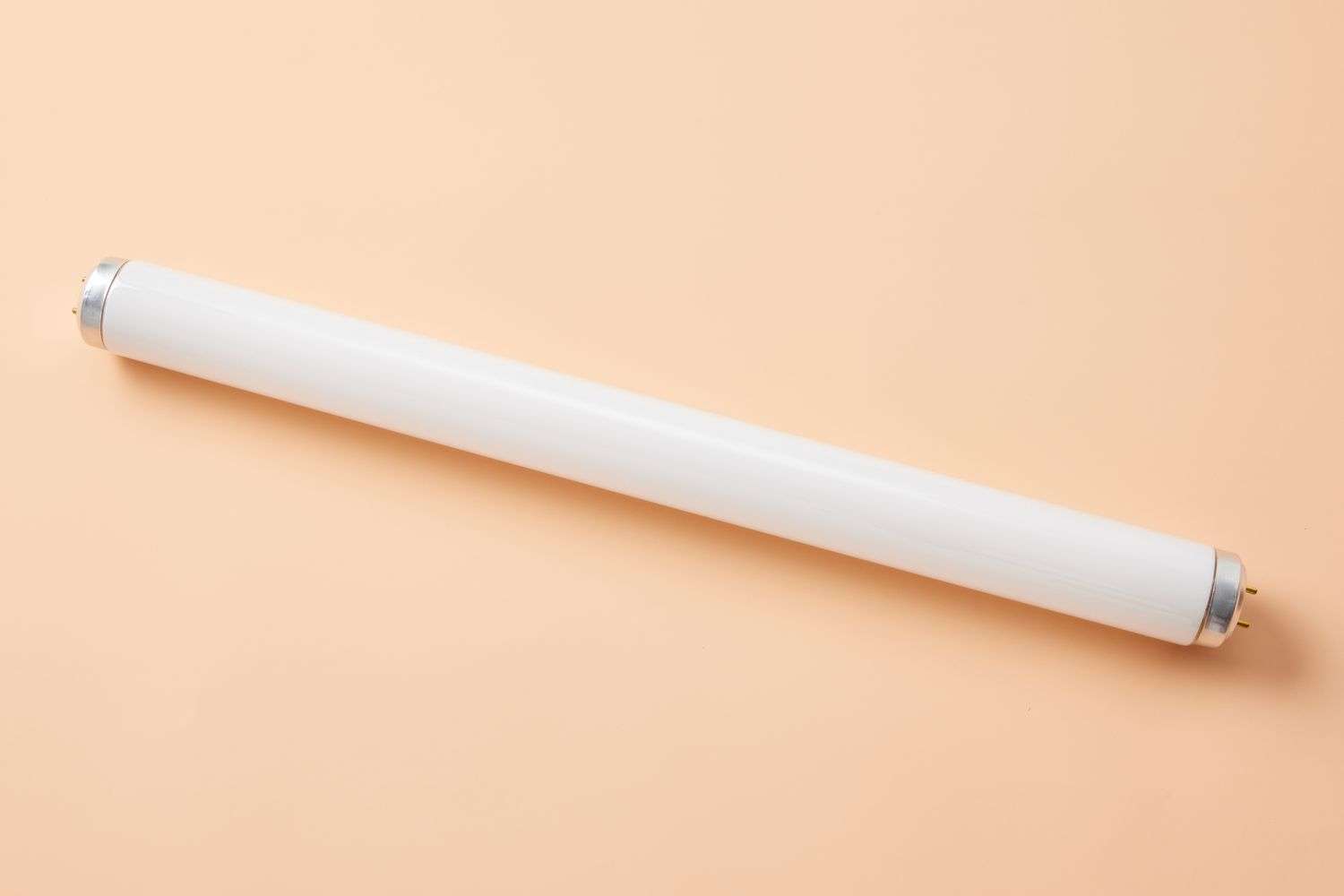
- Commercial institutions and industrial sectors primarily use these bulbs because their performance exceeds that of incandescent lighting.
- This luminescent rating ranges from 60 to 100 lumens per watt, which exceeds CFLs but remains slightly below the capability of LEDs.
- These bulbs survive between 10,000 and 30,000 hours, but the specific duration depends on their construction quality and use environment.
- These lamps contain mercury; therefore, they must be properly disposed of and recycled.
- Most lighting fixtures generate flickering noises along with buzzing sounds, especially among outdated equipment models.
High-Intensity Discharge (HID) Lamps

- Metal halide together with sodium vapor and mercury vapor lamps form part of the lineup used mainly for street lighting and industrial purposes.
- These light sources achieve between 75 and 150 lumens per watt, which makes them quite effective for extensive lighting applications.
- The operating duration of lights extends between 10,000 and 50,000 hours according to device variation and usage requirements.
- They need a duration of warm-up to achieve their complete brightness output.
- HID technology continues to decline because mercury vapor lamps, alongside other similar models, are becoming obsolete due to environmental and efficiency concerns.
How LEDs Work and Their Efficiency Advantages
The Technology Behind LEDs

The source behind LED operation stems from electroluminescence which produces light when electric current flows through a semiconductor material. Light emission occurs through a more efficient process in LEDs because they differ from the traditional incandescent bulb heating method. Semiconductor material forms the backbone of LED construction together with diode structure and temperature dissipation resistance.
- Slabs of semiconductor material usually take the form of gallium nitride (GaN) for reaching high levels of light emission efficiency.
- The diode contains a p-n junction, which serves as an electron conductor to produce photon production.
- The heat sink operates to carry away all heat from the system for extended life and maximum operational performance.
LEDs operate without fragile filaments or gas-filled tubes, which provides them with superior durability under all kinds of environmental conditions, including vibrations and extreme temperatures.
Key Efficiency Benefits of LEDs
High Luminous Efficacy
LEDs deliver substantially better light output at each unit of input power compared to standard lighting solutions. The latest LEDs use 150 lumens per watt of electricity, resulting in better performance than 15 lumens per watt for incandescent bulbs along with 50 lumens per watt for CFLs. Significant energy conservation occurs because of this.
Minimal Heat Generation
The light-emitting diode technology delivers extremely low waste heat output because it produces minimal heat, which results in reduced energy losses and decreased overheating risk. The electrical power directed through LEDs translates predominantly into visible light production despite negligible heating losses.
Directional Lighting
The widespread expansion of traditional bulb illumination requires additional reflectors or diffusers for effective light direction because these bulbs send out light equally in every direction. LEDs send out light in focused directions, which minimizes power waste to enhance efficiency in particular situations, including task illumination and street lamp operations.
Instant-On and Dimmability
LED illumination provides immediate full brightness because they do not require warm-up time, thus making it valuable for applications that need instant lighting.
The capability of various LED models to adjust brightness levels through dimming allows customers to maximize energy conservation while extending the light source’s operational lifespan.
Longer Lifespan
The operational longevity of LEDs surpasses every traditional lighting solution on the market. A premium-class LED bulb functions up to 50,000 hours ahead of incandescent lights, which operate only for around 1,000 hours, and CFLs function for 8,000 to 15,000 hours. Light sources achieve longer operational lifetimes, through which the required maintenance actions decrease.
Enhanced Color Quality and Flexibility
Users can choose their ideal lighting environment from the array of color temperatures and CRI (Color Rendering Index) ratings that LEDs provide. Users benefit from greater illumination control through LED lighting since these products offer a spectrum of color temperature options from warm white (2700K) to cool daylight (6500K).
Smart Integration and Automation
Smart home systems work with LEDs so users can use various features, including scheduled lighting controls and automatic lighting functions, from a distance. The combination of sensors with IoT devices creates adaptive lighting systems that maximize energy efficiency.
Comparing LEDs with Other Light Sources
LED vs. Incandescent Bulbs
Among all present lighting methods, incandescent bulbs require the maximum amount of energy to generate light. A tungsten filament processed by electricity creates light through heat generation. These bulbs exhibit 5% to 10% efficiency by wasting more than 90% to 95% of their energy through heating. Frequent LED replacement becomes necessary due to their estimated service lifetime of 1,000 hours thus increasing both replacement expenses and maintenance expenses. The residential and commercial markets prefer LEDs because they use between 75% to 80% less power while lasting 24 times longer than conventional lighting options.
LED vs. CFLs
The market launched Compact Fluorescent Lamps (CFLs) to consumers as energy-efficient products following traditional incandescent bulbs becoming unprofitable. LEDs last between 8,000 and 15,000 working hours while using around 70% less electricity than conventional incandescent lamps. The environmental risks increase due to mercury content in CFLs during both disposal and recycling processes. CFLs need longer than LEDs to reach full brightness from complete darkness during turn-on transitions. LEDs operate for up to 50,000 hours because they lack toxic materials during operation and therefore stand as an environmentally friendly lighting choice.
LED vs. Halogen Lights
Using halogen gas in their design makes Halogen bulbs extend their lifespan slightly while also achieving better efficiency than normal incandescent lights. These bulbs produce high heat similar to their efficiency of 15-20 lumens per watt performance rate. This type of lighting fixture operates between 2,000 and 4,000 hours, although the lifespan remains shorter than what LEDs provide. The lighting quality from halogen bulbs stays superior, but their power usage, along with how they distribute energy throughout their lifespan, makes them less valuable than LED lighting systems.
LED vs. Fluorescent Tubes
Professional properties use fluorescent tubes as their strategic lighting source because tubes demonstrate better energy efficiency than incandescent bulbs. These lights can continue working continuously for between ten thousand and thirty thousand hours with an efficient lighting output between sixty and one hundred lumens per watt. The appropriate disposal of mercury becomes critical because both CFLs and these lighting solutions contain mercury material. Fluorescent tubes lead to two problems during their operational life: flickering lights and bothersome electrical sounds. Energy-efficient LEDs demonstrate better performance in all categories as well as extended lifespan and enhanced environmental sustainability to become superior lighting choices in comparison to fluorescent tubes.
LED vs. High-Intensity Discharge (HID) Lamps
HID technological lighting systems unite metal halide lamps with sodium vapor and mercury vapor lamps for their vast usage in street facilities and industrial production establishments. The emission strength of these bulbs operates within 75-150 lumens per watt with a service life from 10,000 to 50,000 hours. The timeline for complete brightness occurs within mercury vapor lamps, while the specific environmental problem with mercury vapor lamps creates increasing restrictions for their use. LEDs represent superior energy-efficient alternatives to HID lamps, which offer fast light output together with extended operational periods while consuming less power.
The Long-Term Cost and Environmental Benefits of LEDs
Cost Savings Over Time
Lighting systems that use LEDs create significant financial advantages throughout a prolonged usage period. Forming equivalent or superior brightness output requires LEDs to use only a fraction of the electrical power needed for traditional incandescent or fluorescent lighting. LEDs reach an efficient electrical output of 150 lumens per watt, which leads to an electricity expense reduction of 75 to 80 percent. LED adoption causes ongoing cost reductions, making these devices affordable to household owners and operators of commercial businesses.
LEDs provide extended operational periods, which add more value for consumers regarding cost efficiency. An LED light bulb operates for 25,000 to 50,000 hours, while both incandescent bulbs and CFLs function for 1,000 and 8,000 to 15,000 hours, respectively. Long usage periods are the only time LEDs require replacement, which leads to fewer replacement expenses and maintenance costs. LED usage throughout industrial and commercial establishments helps companies conserve worker salaries together with operational budget expenses.
Impact on Energy Consumption
Mass adoption of LED lighting systems leads to the overall reduction in energy consumption rates at national and global levels. The worldwide adoption of LED technology receives support from multiple agencies performing alongside governments because it eliminates excessive electricity usage and maintains stable power networks. The switch from inefficient light systems to LEDs results in lower national and global energy demands, thus creating a sustainable energy future.
The U.S. Department of Energy shows that extensive LED usage will generate 569 terawatt-hours of yearly savings through 2035, which represents more than 90 power plants running at full capacity. Extensive energy savings through LED usage decrease electricity expenses for people while reducing dependence on fossil fuel-based power supplies.
Environmental Impact
LEDs generate environmental advantages through these multiple aspects:
- Lower Carbon Footprint: LED lights require less power than conventional systems, thus creating a direct path for minimizing greenhouse gas emissions. The reduced requirement for electricity leads to lower power plant operations while enhancing the use of fossil fuels for electricity production.
- Reduced Landfill Waste: LED bulbs persist for extended periods, thus decreasing disposal waste that ends up in landfills. When utilized properly, an LED may last for many decades, which significantly lowers the number of lighting components that need to be disposed of.
- No Harmful Elements: Unlike fluorescent tubes and CFLs, which must be disposed of properly because of their mercury content, LEDs don’t contain any harmful elements.
- Minimal Light Pollution: LED lighting produces narrow-angled illumination that prevents the overall spread of unnecessary illumination. The widespread scattering of light energy by conventional illumination systems creates night sky pollution through light pollution in urban areas. By focusing their beam in a single direction, LEDs improve nighttime sight and cut down on wasted light intensity without endangering the environment.
Government Incentives and Rebates
Various agencies, along with governments, have launched programs with financial benefits that motivate both business owners and house residents to shift their lighting systems to LED technology. Various discounts together with rebates as well as tax credits make purchasing energy-efficient lighting equipment more attainable for anyone looking to replace outdated lighting systems.
Are LEDs 100% Efficient?
The lighting source LEDs represent the most efficient alternative but still experience some operational losses. The efficiency of LED light bulbs is affected by quality levels combined with design elements together with application methods, yet small amounts of heat energy remain unutilized. The outstanding energy conversion capabilities of LEDs contain restrictions that limit their capacity to reach complete efficiency.
Understanding LED Energy Losses
- Heat Dissipation
- LEDs emit considerably less heat from electrical resistance in semiconductor materials than incandescent and halogen bulbs produce, but they will still create some thermal energy. Improper heat management affects both the operational performance and durability of LED light emissions.
- Electrical Conversion Inefficiencies
- Electrical conversion fails to reach absolute light generation efficiency. The energy loss during conversion occurs because of semiconductor defects but also because of wiring resistances and driver efficiency limitations.
- Light Extraction and Optical Losses
- The semiconductor material acts as a light trap for a particular amount of photons produced by the LED chip because of the internal reflections within the material. Light extraction from LEDs increases better by using optical coatings alongside particular lens structures, yet complete loss elimination remains unattainable.
Factors Affecting LED Efficiency
- High-quality LED chips enable both improved energy conversion rates and lower heat emissions because they are made better.
- Poor driver designs reduce efficiency since they consume extra electrical power.
- Active cooling systems that combine heat sinks enable thermal management to boost the efficiency of LED illumination.
- The operational performance of LEDs responds to three key usage factors: power variations as well as ambient temperature and operational time duration.
Future Advancements in LED Technology
- Energy conversion processes become more efficient through the combination of Gallium Nitride (GaN) with other semiconductor materials.
- The integration of Smart Lighting Systems enables LED technology to use intelligent control systems that adjust power consumption levels together with brightness according to present requirements.
- The implementation of both nanomaterials and liquid cooling technology has improved thermal management systems, which leads to deeper energy loss reduction.
- Scientists conduct Quantum Dot and OLED lighting experiments to determine if they can achieve total efficiency in their research.
Practical Applications of LEDs
Modern production facilities use LEDs because these devices revolutionized both space illumination and object lighting conditions. The integration of these features positions LEDs as a key lighting technology solution for various market segments.
Home and Commercial Lighting
- Homeowners can manage their home lighting brightness and activate or deactivate their house bulbs through smart LED bulbs by using their smartphones or voice commands to make scheduling plans.
- Organizations and educational institutions, including hospitals, depend on LED panels and tubes to deliver reduced-glare, uniform illumination that enhances team productivity and workplace comfort.
- The retail industry selects LEDs as their light source to deliver perfect displays using adjustable illumination and vibrant color outputs while generating minor heat emissions suitable for retail store and museum lighting environments.
- The hospitality industry deploys LEDs to maintain atmosphere control as a pathway for delivering enhanced guest experiences across hotels, restaurants, and different hospitality events.
Industrial and Outdoor Use
- The global use of LED streetlights brings multiple advantages to cities because they cut electricity costs while providing better roadway visibility at night and needing fewer maintenance operations.
- The safety needs and productivity of warehouses and factories are met with high-efficiency LED high-bay lighting systems installed for industrial illumination.
- Security features emerge from outdoor and security lighting that utilizes motion-detecting LED floodlights for both energy efficiency and security purposes.
- The combination of work lights and portable emergency lighting solutions creates visible areas during challenging conditions since their battery power stays strong and their operational time extends longer.
Specialized LED Applications
- The medical industry uses LEDs for examining and diagnosing patients through lighting systems because these lights provide refined illumination while releasing less heat and offering adjustable brightness levels.
- The horticultural industry needs LED grow lights for crops since they deliver specific spectra essential for plant photosynthesis, aiding greenhouse cultivation and vertical agriculture.
- The automotive and aviation sectors are adopting LEDs to enhance illumination and operating efficiency in automobile headlights and interior and taillight applications.
- Stage entertainment institutions use LEDs to develop energized visual effects that combine with color-changing effects for concerts and production lights that fulfill theatrical and film lighting needs.
- Underwater and marine structures obtain their power from LED lighting because these devices efficiently function properly beneath water surfaces.
Conclusion: Is LED the Most Efficient Light Source?
LEDs stand above other modern lighting technologies as the most energy-efficient illumination system according to their technological analysis and their proven efficiency advantages, environmental benefits, and cost savings aspects. The innovative functional advantages of LEDs exceed standard lighting capabilities because they deliver superior energy savings, longer product lifespan, and environmentally friendly operating capabilities.
The development of energy-efficient illumination depends on LEDs because lighting technology is expected to advance further. The combination of LEDs constitutes the most budget-friendly and environment-friendly solution for both home and commercial lighting installations.

