


If you’re planning to captivate your audience and put them in a trance, an immersive display will do the job successfully. This type of display easily catches people’s attention and allows you to engage with the viewers in the best way possible.
Based on research, the immersive display industry’s global market is expected to increase by 24.7% in 2030, from 3.2 billion USD in 2024 to 11.4 billion USD. This fast-growing industry is expected to expand and reach more industries and cities all over the world. Many businesses are also expected to invest in this device, in an effort to attract more customers, boost branding, and offer better profiles.
If you’re planning to invest in an immersive display too, the smartest thing to do is to learn everything you can about the device and what it offers.
Defining An Immersive Display
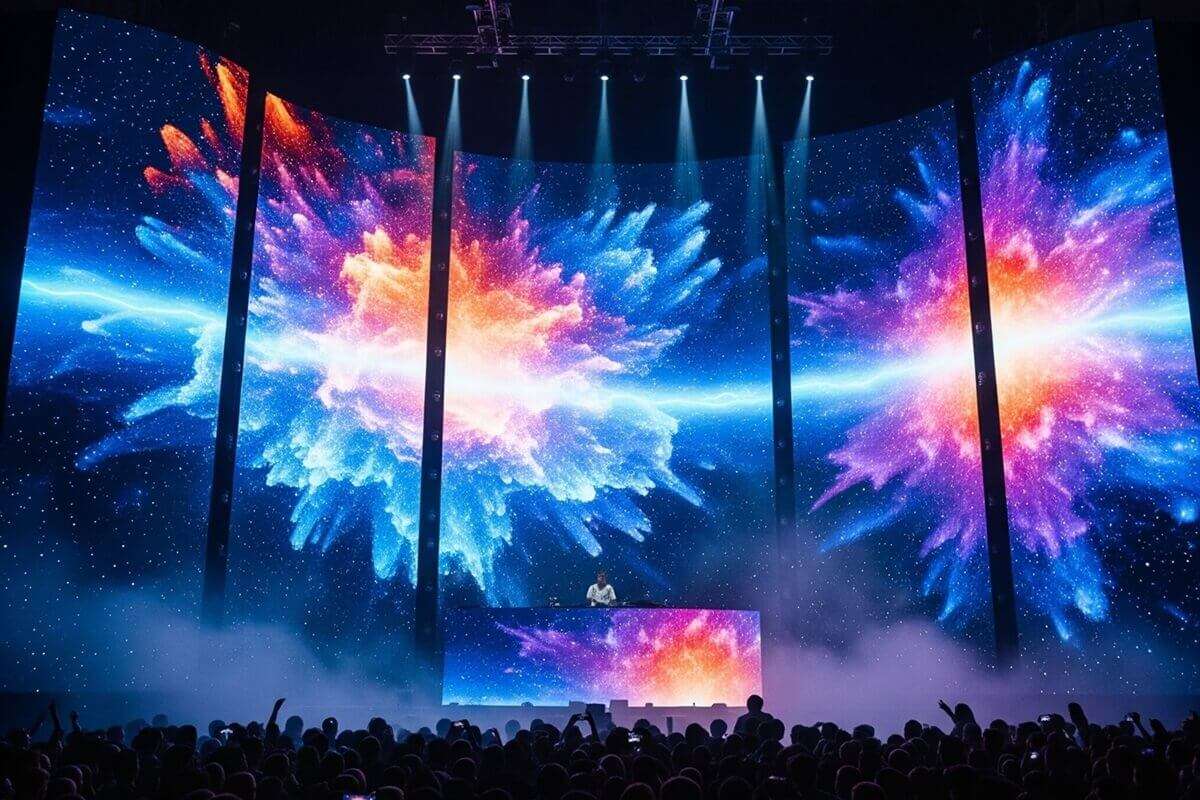 Immersive Display
An immersive display refers to a screen that offers a realistic experience to viewers. The device provides viewers with an immersive experience, igniting the sense of sight in the optimal way possible. It immediately transports them to whatever content is shown on the display.
Discussing the immersive display meaning includes introducing the virtual reality experience. An immersive screen lets viewers experience the fantastic virtual reality you won’t typically see on standard displays.
7 Types of Immersive Displays To Consider
Immersive LED screens come in various types. They can be part of an entire ensemble or a singular high-end display, bringing their powerful edge for you to use. Here are some of the types that immersive designers explore.
1. Curved LED Displays
A curved LED display is one of the devices that offers viewers an immersive experience. It has a gentle arc at the edges of the device, mimicking human sight with peripheral vision. The screen’s unique shape makes the content look closer and more in depth.
These curved LED screens are popularly installed in dynamic and immersive venues, such as the following:
- Digital art spaces
- Museums
- Showrooms
2. Floor LED Screens
LED displays installed on the floor provide an immersive experience that viewers can’t get with a typical screen setup. Getting to walk on screen seems a bit scary yet exciting at the same time, producing an interactive and fun experience. This very feeling is the reason that makes this type of LED display an immersive device.
Floor LED screens are widely used in the following settings:
- Concert venues
- Activity centers
- Shopping malls
3. Ceiling LED Screens
Have you ever seen screens mounted on the ceilings? These ceiling LED displays are also immersive in nature, especially when the device covers the entire area. The device can show realistic settings, including ocean, space, and sky.
Ceiling LED screens are often used as overhead interior decor for the following locations:
- Casinos
- Lounges
- Malls
4. 360-degree LED Displays
This immersive display refers to screens in the form of either a cylinder or a circle. The unique feature of a 360-degree LED display is that the content is clearly displayed in every direction. This provides an all-around futuristic viewing experience for the audience.
These incredible LED screens are perfect for the following setups:
- Brand activations
- Exhibitions
- Immersive rooms
5. LED Tunnel Screens
This type of LED display involves a tunnel-like miracle, where, when you walk through, the content will be around you. The content surrounds the viewer so that it seems like it’s actually part of your reality.
An LED tunnel ceiling often includes both the floor LED screen and the ceiling LED display, with LED walls in between to complete the ensemble. The walkway masterpiece is perfect for events and exhibits, showcasing a wow factor.
6. Virtual Production LED Walls (XR)
Considered as one of the high-end LED displays in the market today, virtual production LED walls are mainstays in TV and film productions. These walls help create realistic 3D environments that serve as settings for the films and television shoots. They’ve become highly popular in modern filmmaking.
7. Interactive LED Screens
These interactive LED displays are integrated with cameras, touch sensors, and motion tracking. They help the device interact and be more sensitive to physical presence and gestures. All of these features help contribute to creating an engaging and interactive viewing experience.
Interactive LED screens are very popular in the following venues:
- Children’s areas
- Museums
- Retail stores
Why Invest in Immersive Displays
Immersive LED screens are popular because of what they can offer. When connected to powerful immersive display solutions, the devices can be the unstoppable force that can elevate your next event.
What are the specific advantages of using immersive displays? These are some worth taking note of:
1. High-Definition Image Quality
Immersive LED displays provide high-quality visuals due to the following high-end features:
- High refresh rate
- Close viewing distance support
- Wide grayscale support
- High contrast ratio
2. Fast Response and High Creativity
These LED screens are currently replacing green screens as backdrops for many events. They have high creativity and are quick to respond to immediate changes. When you want to make updates and changes to your content, you can do so in an instant.
Immersive LED screens are very different from traditional LED screens in terms of convenience and making changes to the content.
3. Multiple Applications
Immersive displays have various applications you can consider, which is what makes them a great device to invest in. They are highly flexible and can come in various shapes, making them interesting in terms of their application and installation.
4. Showcase High Engagement and Immersive Experience
Immersive screens guarantee high engagement because of the realistic experience they produce. A good example of this is when the high-end LED displays are used for dynamic backdrops. When people can immerse themselves in the content, there’s a higher chance for them to engage better.
Immersive Display Applications To Explore
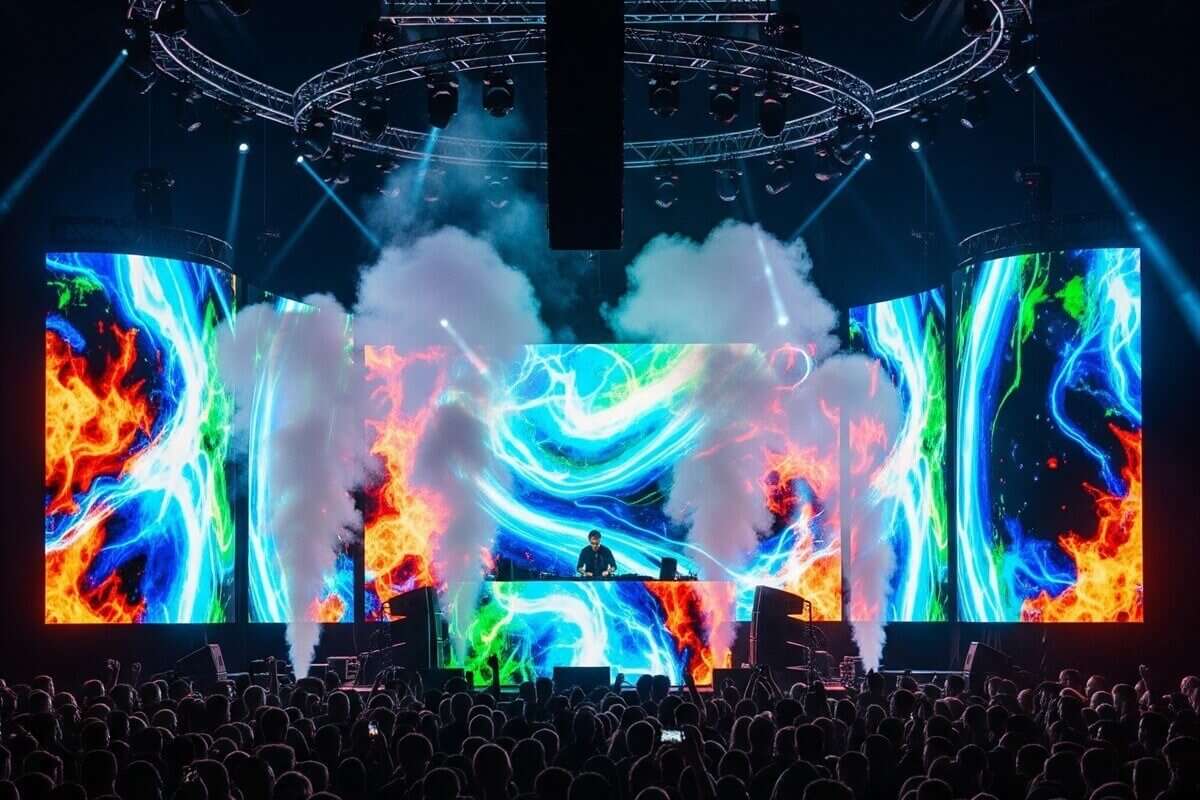 Immersive Display2
Buying immersive LED screens requires you to maximize your device’s potential. This means using the device in every opportunity presented to you. Some of these applications you can consider include the following:
Shops and Shopping Malls
These LED displays can be seen in malls and shops, in an effort to attract more customers. Businesses can showcase their brands and products to entice people into coming in the shops and skimming through the offers.
Since immersive LED screens are very engaging, using them in these commercial locations can help improve brand recognition and even sales.
Stages and Live Events
Immersive displays also work perfectly in stages and live events, considering the viewing experience they deliver. The devices produce realistic images and make viewers feel like they belong with the content.
It’s important for live stages and events to use screens that can be updated fast. This helps the entire show be more reactive with how the viewers are reacting. The real-time response helps promote strong audience participation.
Exhibits
Immersive displays are great for artistic venues, including museums, exhibits, and showrooms. These locations are known and valued for their stunning visuals, and using immersive screens only elevates this factor.
These LED screens are guaranteed to have high-definition resolution, producing realistic visuals. Whatever’s displayed in the venue, the realistic visuals make the entire visit more immersive for the guests.
Filming and Movie Set
Finally, immersive screens are popularly used in the movie and film industry because of the integration of the XR technology. Filming and production become more convenient and effective when an immersive LED display is used. You won’t have to invest in props for your backdrops.
Using immersive LED displays in filming gives you access to real-time background changes. You can update the backdrop of your movie set and even change colors and lights to change the set’s ambiance. All of which can make the entire filming process easier and more convenient.
Factors to Consider When Investing in Immersive Displays
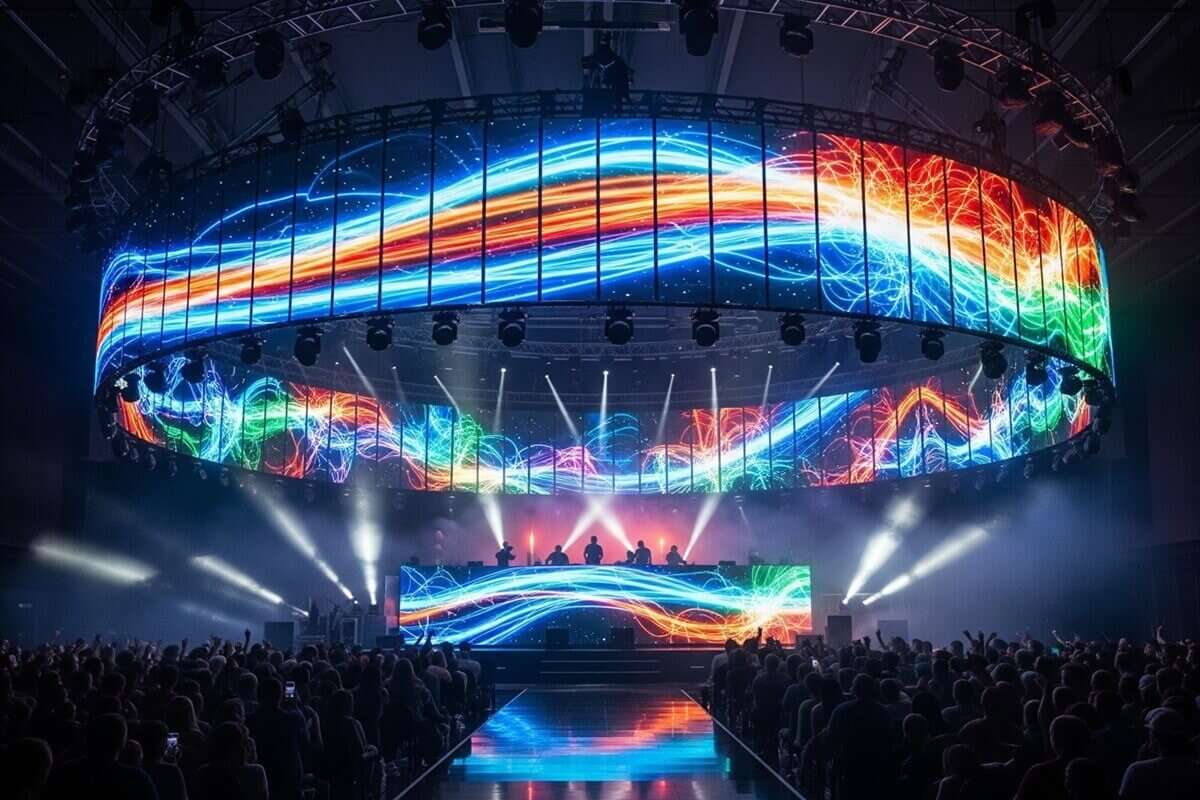 Immersive Display1
When investing in immersive LED screens, it is impossible to get a device that fits everything you need. What you can do instead is to take into account the relevant factors and prioritize the ones that can match your goals. Some of these factors include the following:
1. Screen Resolution and Size
Consider the size and resolution of the immersive LED display you’re checking out. Big-sized and high-res screens tend to be more expensive. Simply match your needs and budget with these factors to get the perfect device.
2. Screen Shape and Custom Feature
Take into account the device’s shape and the type of LED display to use. The great thing about LED displays is that they come in various types. You can choose the one that can work with your goals and events.
While flat displays are inexpensive, going for screens with curves and unique installation can be interesting. They can get more attention from your target viewers, too.
3. Pixel Pitch
Pixel pitch affects the screen’s visual quality, which is why it’s something you need to look into before getting a display. A smaller pixel pitch offers sharper images. However, the device also has higher costs.
If you’re getting an immersive display, make sure to look at its pixel pitch. If you have more budget to spare, getting one with a smaller pixel pitch works.
4. Interactive Screen Features
Some immersive LED displays are embedded with interactive features. However, this also means that they are more expensive to get. Consider these features if you need them:
- Sensors
- Motion software
- Touch-screen function
5. Installation Details
The installation details of your device will depend on the type of immersive LED screen you’re considering. Easier setups are more convenient to handle and have cheaper costs.
LED displays with more complex installation, such as ceiling and floor immersive screens, can cost more. Indoor setups are ways easier and so may cost less.
7. Screen Control and Content System
Besides the actual LED display, take into account all the elements that complete the ensemble. Consider the following for smoother operation:
- Media player
- Control system
- Video processors
Getting a more advanced system and unit for these parts will definitely cost more.
6. Brand and Company After-Sales Services
Most well-known brands are popular for their incredible technical support. However, they also often require higher costs. And it doesn’t mean that the LED displays from lesser-known brands are not good enough.
Get a balance between brand image and visual quality for your immersive display. Look into the company warranties and take them into account as a future investment. Check out the following after-sales services:
- On-site support
- Long warranties
- 24/7 hotline
Conclusion
An immersive display offers high engagement and a realistic viewing experience that many industries can benefit from. It can entice customers to retail shops and malls, and can draw in people to pay more attention to your message. It is an investment that promises growth and improvement in business operations and event management.
In getting your immersive display, it’s important to look at all the options available to you. Match the different types of LED displays to your goals and technical requirements. Only then can you reap the benefits of investing in this high-end display.

