


It’s easy to take large-screen technologies for granted in today’s environment, when they are ubiquitous in stadiums, cities, and even home theater systems. But the history of these technical wonders—the Jumbotron in particular—shows an intriguing path of invention, competition, and development. This blog explores the history of Jumbotrons, including its invention, development, and global influence.
Introduction

A Jumbotron, also known as Jumbovision by technophiles, is a giant television mostly installed in stadiums, concerts, and events. These massive LED walls have become staples in today’s entertainment industry. They provide viewers a detailed view of distant actions. But who created this technological innovation, and when and why? The idea began in the 1980s. However, the real revolution in how people watch content emerged later. This is the story of the Jumbotron’s rise, from its creation to its impact on public and private domains.
The Origins of the Jumbotron
Definition and Naming
The term JumboTron was invented by Sony in early 1980s. In its essence, the name is a portmanteau that combines the word for big, ‘Jumbo’ with the contracted form of a Greek word for a ‘tool’, ‘tron’ as in electronics. Jumbovision – which was initially a trademark industry name – evolved into the actual sobriquet for any large screen-level televised screen presentation. Branding played a significant role in Sony’s technology. The name was catchy, simple, and memorable, matching the grandiosity of the innovation. Sony used this branding decision to transform the technology into not just a technical achievement, but also a cultural milestone recognized globally.
The Inventors and Early Competition
The development of the Jumbotron ignited fierce competition among three Japanese tech giants: Sony, Mitsubishi Electric Corporation, and Panasonic Co. Sony trademarked the term “JumboTron” and gained a significant market presence, emerging as the leader in technological advancements for massive video displays.

Mitsubishi Electric pioneered the large-screen segment with the “Diamond Vision” product, released in 1980. The display first appeared at major events, such as the LA Dodgers Stadium, where it showcased baseball scores and achievements. However, Mitsubishi did not secure a trademark for its technology, leaving it vulnerable to competition. Panasonic entered the race with its Astro Vision display, which brought advanced display features and larger sizes to the market. However, Sony’s strategic marketing of JumboTron made the term synonymous with large-screen displays, while the company closely advanced its technology. These three factors worked together: Sony’s innovation introduced the brand-new product, and strategic foresight defined its future development. This approach positioned the product as the leader in the public display technology market.
Unveiling the First Jumbotron
Debut at Expo 85

Expo 85 in Tsukuba Japan saw the premiere of Sony’s Jumbotron. As round as it was large, with dimensions of 40 meters by 25, the display effectively demonstrated high tech smart glass with a resolution of 450, 000 pixels. This might seem a small resolution by modern standards, but it was major in the 1980’s. Other features of the screen included Sony’s proprietary Trini-lite technology, enabling computer control of the displays. Developing the screen cost $16 million, showcasing Sony’s commitment to advancing current technology standards.
During Expo 85, people marveled at the Jumbotron’s size and quality, marking a pivotal moment in display technology. It was more than a spectacle; it revealed how large-scale displays could reshape public rhetoric and entertainment. The Jumbotron’s first major use at Expo 85 demonstrated its ability to capture attention, paving the way for global adoption.
Early Installations and Applications
After its launch, the Jumbotron was installed in strategic locations like sports complexes and shared community areas. This placement earned it recognition as a revolutionary innovation. Its first significant use was at the HemisFair Arena in San Antonio, Texas. There, the screen enhanced spectators’ experiences during games by providing replays and zoomed-in views. Another such installation was in Tampa Stadium in Florida. This led Jumbotron boasts a screen size capable of displaying 204 x 192 pixels. However, it was not as high as, for example, VHS, but for that time it was a discovery, a completely new way of watching the development of live broadcasts.
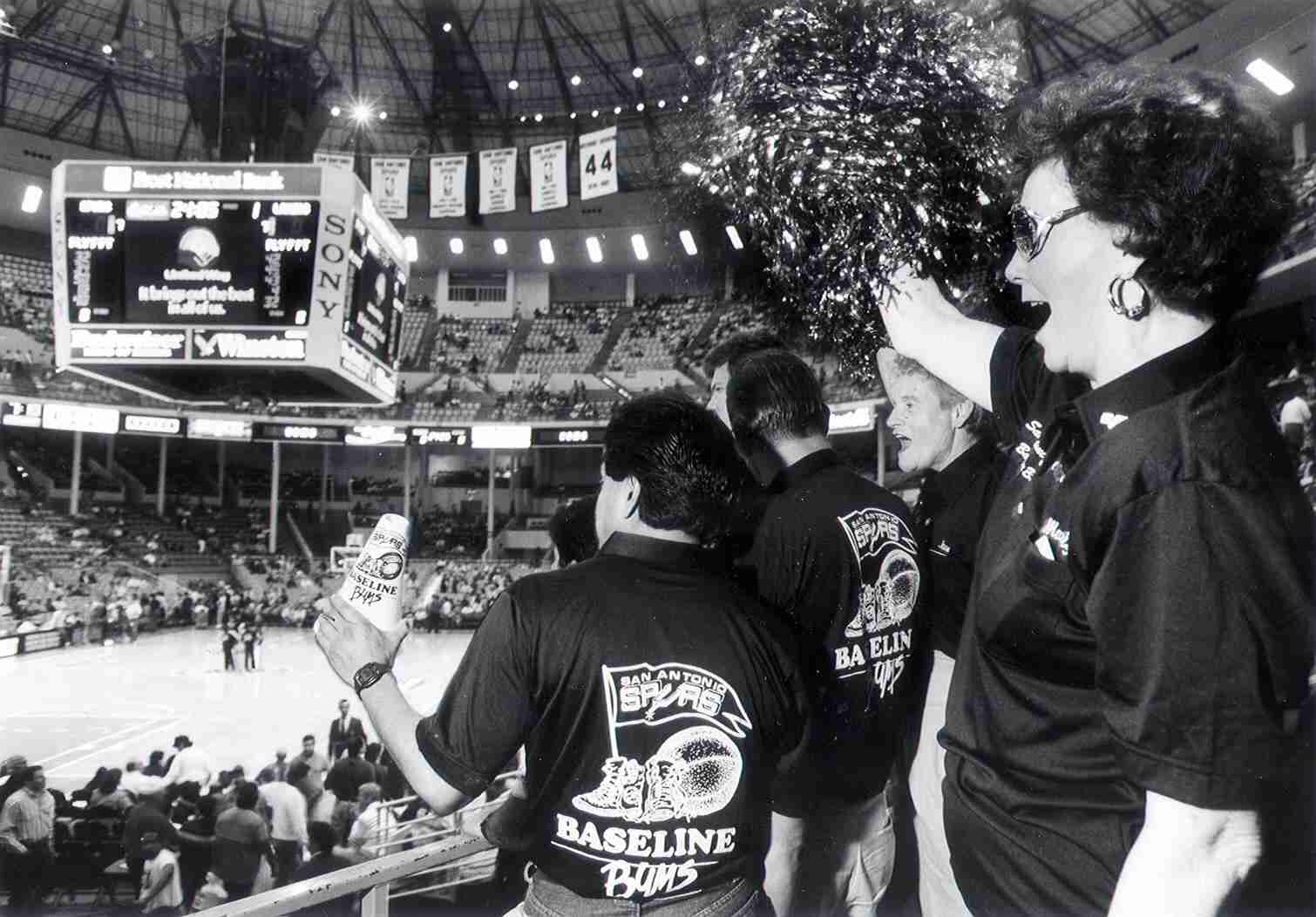
However, apart from stadiums, Jumbotrons have quickly migrated to other areas and contexts such us concert venues and music festivals. They proved more useful in large events such as campaigns whereby visibility was a major problem. If the $150 million price provided for one of the largest Jumbotrons ever marketed – 10m by 33.5m – is any indication of its success, then it probably will be. This screen was capable of a resolution of 672 x 200 pixels which provided better image quality that the previous models. These installations however served to not only improve the overall live viewing experience but more so, provided a diversity of application of the Jumbotron solution regardless of context.
Technological Advancements
From CRT to LED
The early jumbotrons utilized cathode-ray tube, fundamental to all televisions during the earlier years. Although CRTs came up with a practical approach of handling large displays they were associated with some major problems. The Screens were very large and very heavy requiring a good deal of structural reinforcement and the displays were low on resolution which caused images to blur or pixel out on large structures. Also, CRTs enjoyed a rather excessive energy consumption that put them in the unfavorable light for continuous use in outdoor or large displays.
The introduction of light-emitting diode (LED) technology in the 1990s resolved most of these problems. However, this transition came with significant challenges, as detailed in the following sections. Early LEDs were expensive to produce due to less advanced technology and lower efficiency compared to today. Additionally, achieving consistent brightness and color across large panels required extensive research and development.
In early 2004, the company’s major innovation was the use of LED backlights in LCD TVs. LEDs had better and richer illumination and lower power consumption. They were also longer lasting, and could better withstand the effects of heat or moisture for installations outside. Constant effort was made in the development of the technology, which had problems including color reproduction and arrival of synchronization of the large number of LEDs. This innovation was also good for Jumbotrons because it made them even better looking and preserved them longer while cutting down on maintenance as well till LED became the standard for large screens.
Key Milestones in Screen Evolution
The technological developments of these later years made Jumbotrons more and more complex structures. The 90s produced screens that could be transported and mounted at concerts and other events – giving the Jumbotron experience. Including social media and interactives made the modern day JumboTron a revolutionary tool to change the lifestyle of viewers to live events. Such innovations have helped to make the Jumbotrons an indispensable tool in improving the experience of the viewers.
Iconic Applications of Jumbotrons
Sports and Entertainment

Special mention and application go to sports arenas where Jumbotrons are used to display scores, replays, and to advertise. These giant screens even for football matches and other Olympic events make it possible for nobody to miss the action. Another way that has helped the audiences is their ability to offer real time replays and statistics which has changed the way audiences watch live sports.
Originally invented for concerts, Jumbotrons have equally become popular features in concert venues, ensuring that all attendees have excellent vantage points of a show. This has enhanced large scale event affordances and pleasure for the participants.
Advertising and Urban Landmarks
Jumbotrons have also become a popular aftrillia to contemporary cityscapes in particular those associated with entertainment. Some of them include the New York Times Square where people can find numerous Jumbotrons used mostly in advertising, announcement of events or any other upcoming event. These screens have turned into cultural icons that attract millions of consumers per year and confirming the position of the Jumbotron inside the contemporary methods of advertising.
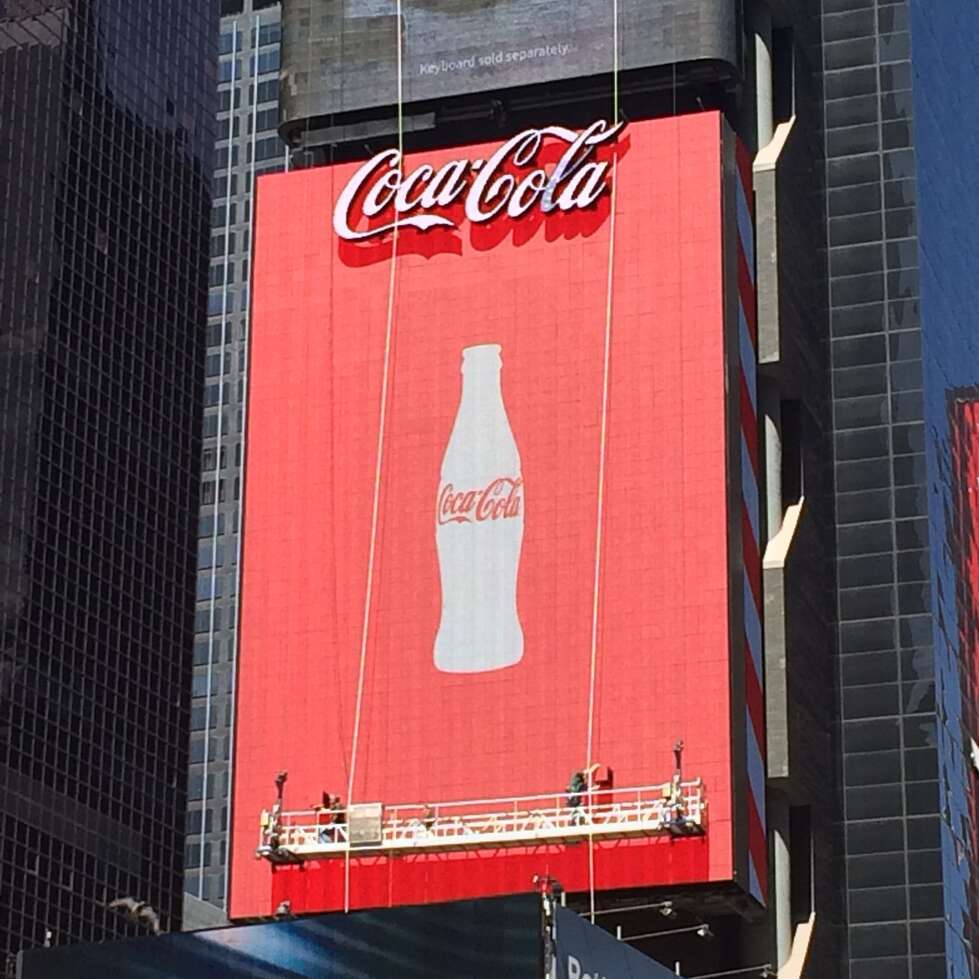
For instance, the firm behind the century-old Coca-Cola billboard in New York’s Times Square has employed the technology to engage the population by employing Jumbotron sufficiently. Also, emblematic New Year’s Eve performances in media density regions such as Times Square are inseparable from Jumbotron screens to deliver live streaming of performances, the iconic ball drop and produce an electrifying environment to fans and people around the globe.
Besides these occasions, Jumbotrons have also become involved in history Some of the history involving Jumbotrons was during the arrival of the New Year. For instance, during important political events and government anouncements, such as delivering a speech or passing of information to the public these screens have been employed. Their effectiveness in achieving both, visibility and real-time communication makes them essential instruments in defining public participation in urban territories.
Jumbotrons have also become part of cityscapes too. For example, the New York City’s Square called Time has numerous bright shows like Jumbotrons that announce advertisements, events, and entertainment. These screens have turned into cultural icons borne by tens of millions of consumers per year and thus solidifying Jumbotron’s place in contemporary advertising.
Mini Jumbotrons and Personal Use
Gradually the technology became refined to the extent that smaller Jumbotrons were designed for home and business use. They can now be seen installed in shopping malls, airports, houses and virtually everywhere else as part of the modern commercial boom of the Jumbotrons.
Impact and Legacy
Redefining Visual Experiences
Jumbotrons have revolutionized how people view visual media in communal spaces. This has been made possible through bringing high quality displays that directly increase the size of audiences by making their outlook unimaginable. They have now become indispensable parts of events, advertisements and even city planning.
Influence on Modern Screen Technology
Jumbotrons have marked many significant changes in the continuously growing screen technology industry. Of course, it wouldn’t be the first electronic era to see constant innovation and development in both LEDs and OLEDs to even futuristic energy-efficient constructions – all told the Juumbotron has not died out and is still alive in modern high tech devices. Jumbotrons are therefore remain a testimony of advancement in technology in future.
Conclusion
This log traces the developments of the Jumbotron from its inception in the 1980s to one of the marvels of today. Having emerged from a futuristic technology showcase only in 1985 to becoming part of almost any modern stadium, concert, or streetscape, the Jumbotron has fundamentally changed the way we consume visual information. This is evident in the impact on technology and culture. As innovations in the display technology advance, so will the Jumbotron’s influence. The Jumbotron will always be a symbol of technical innovation andthe ability to provide collective experiences from stadiums and other large arenas to city squares.

