


If you are a business owner on a mission to make your brand more visible, it’s important to understand and explore the current digital signage trends. With the modern and future-forward society, it’s necessary to know and keep up with these trends to guarantee your business’s success.
Currently, digital signage has become a primary marketing tool that can improve image branding and widen market reach. If you want to be one of the businesses that lead your industry, stay ahead, and look into digital signage trends that rock the market today. Trends can fade easily, but some stay and create a foundation that will be unforgettable.
New technology plays a major role in the changes in trends. From a passive device, advanced displays are now an active and dynamic tool for engagement. From an instrument of information dissemination to a powerful device that bolsters viewer engagement and participation, digital signage has definitely gone a long way. Learn everything about digital signage and explore the trends you can adopt for your business operations.
What Is Digital Signage Display?
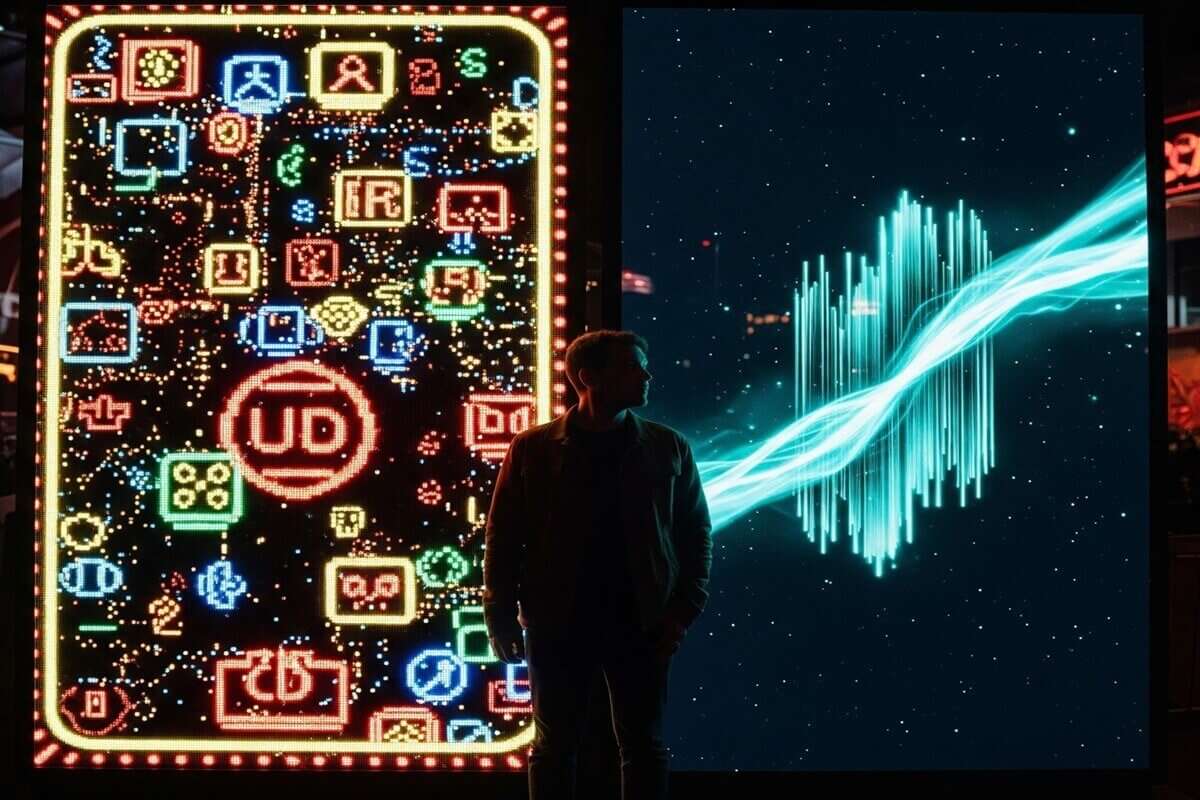
A digital signage display is an electronic device that aims to communicate a specific message, which can come in the form of the following:
- Announcements
- Advertisements
- Schedule changes
- Sponsor highlights
Because of the device’s functionality and high-end features, it can be used in various events and applications, including but not limited to the following:
- Conferences
- Concerts
- Exhibits and shows
- Private celebrations and events
Digital Signage Hardware
The hardware for digital signage can be a standard screen, an advanced LED wall, or a traditional projector. It is a screen capable of sharing multimedia content. The most current and popular hardware, though, comes in the form of dynamic screens that can showcase the following types of content:
- Animations
- Live feeds
- Social media updates
- Videos
Digital Signage Software

The software you should use for your digital signage needs to have the following features:
- Dynamic content compatibility – Facilitates the display of dynamic content with easy updates by just refreshing the screen, including the following:
- Announcements
- Social media live feeds
- Promotions
- Schedules
- High-quality visuals – Showcases vibrant and vivid images capable of capturing instant motion
- Interactive functionality – One of the popular digital signage trends came from the introduction of interactive features that allow viewer participation, such as QR integrations and touch-screen functionality
- Incredible scalability – Can power large-scale screen ensembles
The Advantages of the Evolution of Digital Signage Displays
The evolution of display technologies has brought about not only digital signage trends but also incredible features and functionalities. Signage has evolved from static, traditional devices to high-end, high-definition screens with prepared content and stunning visuals.
More than just the tech used in a standard digital signage display TV, this evolution produced the following amazing functions:
- AI-powered feature – Allows content to be adjusted based on audience behavior to become more effective
- AR and VR add-ons – Create immersive experiences that transform digital content to be more realistic and look physically there
- Cloud-based content management – Enables users to make real-time updates to the screen content (can be remotely done)
- Interactive features – Delivers functionalities that entice viewers to be more active and participative
- Social media integration – Social media currently acts as a major media platform in the world, and can be used to collaborate or communicate more effectively with viewers
Benefits of Using Digital Signage Displays
 Image Credit: Pexels.
The popularity of digital signage displays stems from the advantages users gain from these devices. Here are some unique benefits you can get by investing in this device.
Better Viewer Engagement and Interaction
When you look into digital signage trends, you’ll notice that many of the developments adopted by high-end screens support audience interaction. New digital signage displays can help marketers create a strong brand-to-audience bond through the following interactive elements:
- Gamified content
- QR codes
- Social media integration
Cost-Effective Investment
Digital signage always comes at a cost. The costs of upfront digital signage displays can be higher than those of traditional LED screens. However, it is also the more cost-effective option, considering its long lifespan, excellent flexibility, and low operational costs.
Content can be updated in an instant, without needing to dispose of anything. Reusing and repurposing the digital signage is its major advantage.
Data-driven Operation
Digital signage displays are integrated with high-end technology and modern systems capable of tracking engagement. This means that the device can take note of the statistics of views or interactions of a specific piece of content. Getting this insight helps in creating and developing marketing strategies for your campaigns in the future.
Improved Brand Image and Better Presence
Businesses use digital signage to introduce and improve their brand image and reach more customers. Massive LED screens and video walls easily catch people’s attention and make a great impression. More than just the size, it’s the vibrant visuals and availability of motion graphics that make the content interesting.
Real-time Communication
Digital signage displays foster real-time communication, which allows users to proactively change content as well as event dynamics. Some of the possible changes and actions include the following:
- Instant call-to-action
- Schedules
- Update offers
Opportunities of Monetization
Digital signage screens promise monetary benefits through the following:
- Ad placements
- Sponsorships
These ways can be used by businesses to optimize their visibility. Meanwhile, they can be utilized by marketers and serve as an added revenue stream.
Digital Signage Applications
In current digital signage trends, the application of the device goes beyond the usual display of content. These devices are now being used to elevate every event that uses these screens. These are some of the events that can benefit from using high-end displays.
Celebrations and Weddings
Digital signage displays are utilized in personal occasions, such as weddings and all sorts of celebrations. Rather than the traditional posters of couples or celebrants of the event, you can play the following types of content:
- Photo slideshows
- Guest selfies
- Heartfelt video messages
Live posts and images can instantly be seen on social media platforms by using hashtags. This elevates memory-sharing to more than just the guests, but also to those who can’t physically be there.
Conference and Corporate Events
Businesses and professionals use digital signage to assist in company events and marketing stunts. These are some of the advantages corporations can get from using this high-end device:
- Strengthen brand identity
- Real-time engagement with customers and employees
- Customize visuals and more engaging announcements
- Showcase high-profile product launching and introduction
- Feature new marketing campaigns
- Encourage customers to participate in polls
Entertainment and Sports Events
For entertainment purposes, digital signage can also be used in concert venues and stadiums. They can display the following content to elevate viewer experience:
- Behind-the-scenes
- Game highlights
- Instant replays
- Live scores
- Premium crowds exposure
- Social media live feeds
Trade Shows
Digital signage trends also feature the use of the device in trade shows. Many organizers use screens to display the following content to event participants:
- Speaker introductions
- Floor maps
- Live agendas
At times, interactive kiosks are set up and allow attendees to navigate the device for navigation or searching needs without needing staff assistance.
Most Popular Digital Signage Trends
 Image Credit: Unsplash.
To make your business operation more successful, following digital signage trends is a good start for your strategy. Take note of the current market trends and see which one best fits your company’s needs and situation. Here are some you can use as your starting point.
Machine-Learning Capability and AI Intelligence
The rise of artificial intelligence caught everyone in a whirlwind. Some believe that it will revolutionize every industry, including the LED screen industry. And this seems to hold when it comes to personalizing your content.
Artificial intelligence and machine learning have become part of the most popular digital signage trends today. Beyond simply showcasing the content you want to display, AI has the capability of reading the audience and suggesting the ideal content based on it.
Both machine learning and AI can look into the following information about your audience:
- Behavior patterns
- Demographics
- Environmental indicators
A digital signage may change its content based on the data gathered, without assistance from anyone. More than just details about your audience, these systems can also use the following information to create a more accurate forecast of the content that can deliver more engagement and better results:
- Historical data
- Traffic patterns
- Time and date
Industry-revolutionizing Breakthroughs (Flexible Displays and MicroLED Technology)
One of the current popular digital signage trends has something to do with the evolution of LED technology. Both microLED and flexible LED screens pose revolutionary improvements in standard LED displays.
MicroLED Screens

MicroLED paved the way to hardware innovation, offering brighter images with deeper color contrast and incredible energy efficiency. Some of the advantages of this type of advanced LED display include the following:
- Convenient modular design
- High-quality images even under intense lighting
- Free from burn-in issues
All of these advantages make the device ideal for the following setups and applications:
- Flagship retail spaces
- High-end corporate lobbies
- Public command centers
Flexible LED Displays

While microLED is more technical, flexible LED displays are more structural. The latter type of LED screens opens up more opportunities for unique display setups.
Flexible LED screens refer to displays that can be bent, folded, and curled however you want. This new technology makes it possible for users to create designs with interesting shapes, diving deeper into their creativity. It’s also the reason why this type of screen is perfect for the following setups (with many currently existing):
- Airports
- High-end stores
- Hotels
- Museums
The unique characteristic of this device makes it possible to showcase immersive content without the need for a 3D tool accompaniment.
Cloud-based Content Management
Content plays a huge role in the success of a digital signage’s operation. On top of the actual content, its management is also a big consideration when operating digital signage. One of the most important digital signage trends connected to content is the introduction of cloud-based management.
Cloud-based content management is an upgrade that users of digital signage can now enjoy. Traditionally, users need to plug in hard drives or log in to local servers just to manage their content. Today, with the introduction of CMS or cloud-based content management systems, you can access the following capabilities:
- Remotely update display content
- Change content in real time (and even across multiple sites)
- Work together with teams on the same content (using one dashboard)
With all of these efficient capabilities, expect the following benefits in using your digital signage:
- Fewer technical issues
- Power to change campaigns instantly (without wasting resources)
- Faster turnaround
Creating Immersive Experiences with AR, VR, and IoT
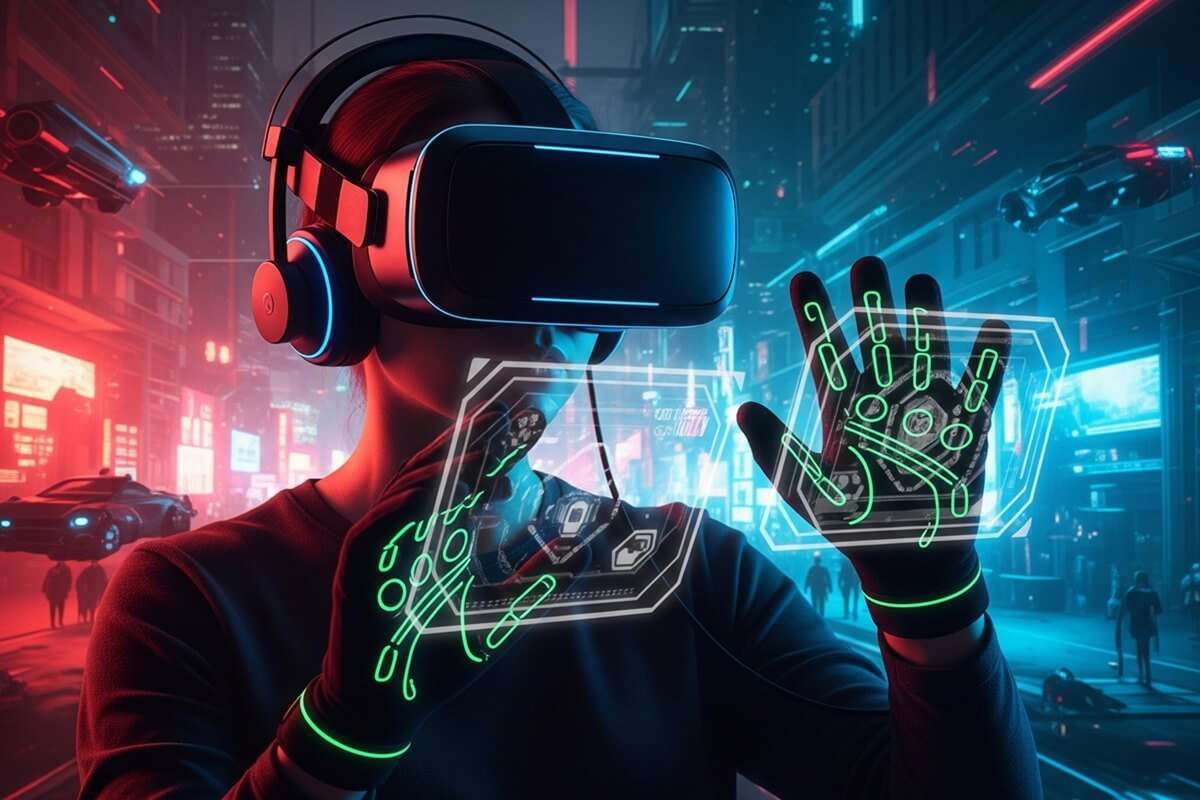
Immersive experiences became a huge deal with the rise of curved, flexible, and 3D LED screens. Newer technologies also emerged, including the following:
- AR or Augmented Reality – integrates digital with real physical worlds, combining both worlds into one. AR is possible by using specific tools, such as smartphones and AR glasses, that allow 3D elements to be seen as an overlay in the physical world.
- VR or Virtual Reality – compared to AR, virtual reality (VR) completely replaces the physical world with a digitally simulated one. It delivers total immersion in a computer-generated digital world that may or may not exist in the real world.
- IoT or Internet of Things – refers to a network of devices (including LED screens) connected through the internet. This network offers a smarter, more responsive solution to users’ needs. Digital signage can be connected for the following to display better and updated content:
- Inventory systemd
- Sensors
- Weather feeds
All of these technologies can contribute to a more immersive user experience, which is why they have become popular digital signage trends today. From curved walkthrough museums to gigantic immersive walls, LED displays have evolved into devices that engage all the senses rather than just sight.
Futuristic, Sustainable Touchless Technologies
Convenience, next to necessity, has been the driving force behind many innovations. This includes touchless technologies, which can come in various forms, such as the following:
- Gesture-based interfaces
- Mobile-enabled controls
- QR code usage
- Touchscreen capability
- Voice-controlled commands
These technologies enable two-way communication, making the viewing experience more interactive. They can be applied in various settings and industries, from university navigation to interactive restaurant menus. In any industry, using digital signage elevates user experience and convenience.
What to Do with These Digital Signage Trends
 Image Credit: Pexels.
Knowing the most popular digital signage trends today, what’s your next step? It is important to figure out which works for your business best and which ones you can modify to your advantage. This is why it’s important to get to know the different digital signage trends that dominate the industry and market.
With these digital signage trends, you can introduce one or several of the trends into your screen usage. Whether it’s cloud-based content management or the use of touchless technology, your choice may be influenced by the following factors:
- Business/project goal
- Running budget
- Type of digital signage you’re using
- Customer profile and characteristics
What do you intend to accomplish? For operational convenience, using CMS, AI, and similar systems can help achieve that. However, if you’re aiming for better customer engagement and interaction, inject an immersive experience through flexible and 3D LED screens. Spruce up your content to get your target market’s attention with ease.
Technically, you won’t have to completely change what you’re currently using just to go with trends. It can be a financial catastrophe if you do so. However, what you can do is to integrate compatible changes into your marketing strategy and operations to make sure the investment is worth it and won’t bankrupt your operation.
Conclusion
Digital signage trends come and go; however, they’ve become popular in the market for a reason. Whether it’s because of the newness of their introduction or the convenience they bring, these trends can bring you success, depending on how you use them to your advantage.
Most leading digital signage trends are a result of innovations and advanced technologies. This shaped the recent years, including the introduction of AI and learning machines, interactive signage, immersive elements, and unique types of LED displays. Check out which among these trends can be applied to your business operations to help you achieve success.

